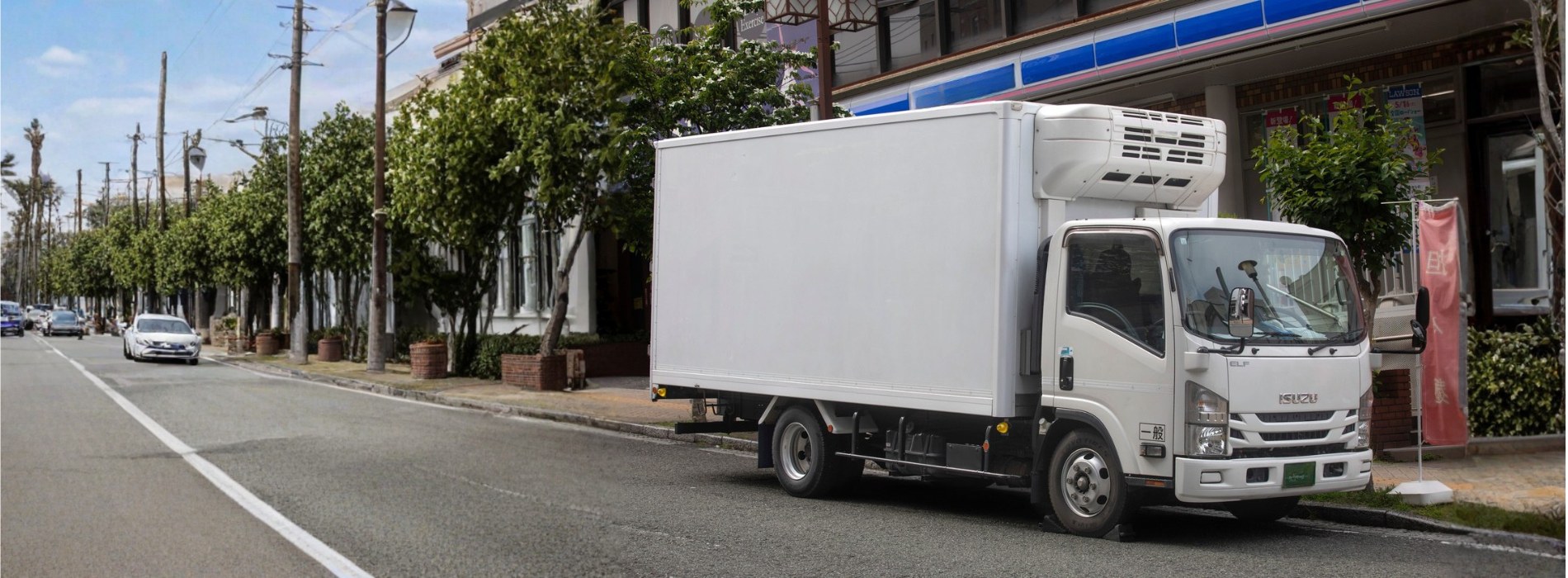
Quick Answer: Rock Hill trucking insurance runs $8,000 to $18,000 a year per truck for $1,000,000 in primary liability. Alvix Insurance Group prices policies for owner-operators and small fleets running the I-77 corridor between Charlotte and Columbia.
Flatbed and auto-hauler rigs sit near the top of that range because of exposed-load risk. Box trucks, cargo vans, and reefer units each price differently based on freight class and radius.
Key Takeaways
- Rock Hill carriers pay $8,000-$18,000/year for $1M liability, with flatbed and car carrier rigs running $7,000-$22,000.
- South Carolina sets a $750,000 intrastate floor for general freight over 10,000 lbs; brokers routinely demand $1,000,000.
- Cargo insurance floors of $100,000 fall short on higher-value freight; expect a broker to push you to $150,000.
- New authorities in York County pay more in year 1 due to a missing loss run, not driver inexperience.
- A single Form E or BOC-3 mismatch suspends MC authority, independent of your driving record.
Commercial Trucking Insurance Costs in Rock Hill
Your rate depends on 6 factors: freight class, radius, vehicle value, driver experience, CSA score, and loss history. Identical trucks on the same I-77 lanes can quote thousands apart once a single factor shifts.
Average Annual Premiums by Vehicle Type
| Vehicle & Freight Type | Rock Hill Annual Premium Range |
|---|---|
| Box Truck | $4,000 – $9,000 |
| Cargo Van (local/regional) | $4,500 – $9,500 |
| Semi Truck / General Freight | $8,000 – $16,000 |
| Flatbed | $7,000 – $22,000 |
| Car Carrier / Auto Hauler | $9,000 – $20,000 |
| Reefer | $9,000 – $18,000 |
Data reflects average premiums for established South Carolina carriers with a clean CSA record.
What Drives Your Rate Up or Down in York County
Rock Hill sits 25 miles south of Charlotte on I-77, in a corridor that keeps pulling distribution south across the state line.
The infrastructure explains why:
- 22 miles of interstate frontage directly in York County.
- A Norfolk Southern and CSX rail interchange for intermodal freight.
- The Charlotte-Douglas intermodal yard, 20 miles from Rock Hill.
- Industrial land running 30-40% cheaper than Charlotte.
That cost gap is pulling real, dated growth into York County. Riverstone Logistics moved its headquarters from Charlotte to a new $16.4 million York County operation, opening July 2026, and Ross Stores separately expanded its Rock Hill distribution center by 700 jobs.
Every one of those new trucks needs a policy filed correctly before its first load.
A few levers move your quote the most:
- Radius of operation: short-haul York County lanes typically price lower than long-haul runs crossing multiple states.
- Freight class: dry van, flatbed, reefer, and auto-hauler each carry a different base rate.
- CSA score and loss history: 3+ years of clean company history unlocks better renewal pricing than a first-year policy.
South Carolina and FMCSA Coverage Minimums for Rock Hill Carriers
South Carolina requires proof of financial responsibility before the SCDMV issues intrastate operating authority. Interstate carriers answer to a separate federal floor the moment a load crosses into North Carolina.
Intrastate Filing Through the SCDMV
Intrastate general freight carriers over 10,000 lbs GVWR need $750,000 in primary liability filed through the SCDMV’s motor carrier services.
Hazardous materials carriers scale up to $1,000,000 or $5,000,000, depending on the commodity class.
Interstate Minimums Once You Cross Into North Carolina
Federal rules under 49 CFR 387.9 set the same $750,000 floor for general freight over 10,000 lbs. That number is a legal minimum, not a market minimum.
| Hauling Category | Federal Floor (49 CFR 387.9) | Typical Broker Demand |
|---|---|---|
| General Freight, under 10,000 lbs | $300,000 | $1,000,000 |
| General Freight, over 10,000 lbs | $750,000 | $1,000,000 |
| Oil, Hazardous Waste | $1,000,000 | $1,000,000 |
| Explosives, Poison Gas | $5,000,000 | $5,000,000 |
You will struggle to book freight through most brokers without $1,000,000 in primary liability, regardless of what the federal floor technically allows.
Filing Both States for Carriers Running SC and NC Together
South Carolina intrastate and interstate authority answer to different rulebooks.
Before you run both, confirm 3 things line up:
- Your general liability filing names both the SC intrastate and NC interstate operations.
- Your primary liability filing was not left tied only to the state your authority started under.
- Your garaging address on file matches the one your agent actually filed with FMCSA.
A gap in any one of these is what turns a routine cross-border haul into a suspended authority.
Cargo Insurance Limits Brokers Actually Require
Cargo insurance is where Rock Hill carriers most often get caught off guard. A $100,000 policy meets the bare minimum most underwriters offer, but it does not match what shippers of higher-value freight expect to see on a certificate.
Why $100,000 Falls Short on High-Value Freight
Several commodity types common on Rock Hill lanes routinely exceed a $100,000 cargo limit:
- Pet food and packaged dry goods.
- Non-hazmat liquid fertilizer and general chemicals.
- Vehicles on a car carrier or auto hauler load, where a single damaged or missing unit can blow past the limit fast.
Cargo insurance written at $150,000 has become the practical floor for these freight types, not the exception. We see brokers ask for proof of a higher limit before they release a rate confirmation, especially on lanes feeding Rock Hill’s grocery and consumer-goods distribution centers.
Per-Load Endorsements Versus a Full Policy Increase
Carriers have 2 options, not a blind choice:
- Permanent limit increase: raises your base cargo policy to $150,000 across every load, a predictable line item on your renewal.
- Per-load endorsement: bumps coverage to $150,000 only for the specific loads that need it.
A carrier hauling pet food or chemicals weekly usually saves money with the permanent increase. A carrier picking up 1-2 high-value loads a month often comes out ahead with per-load endorsements instead.
Flatbed and Car Carrier Insurance Along the I-77 Corridor
Flatbed and car carrier rigs price at the top of Rock Hill’s premium range because the freight sits exposed, not tarped inside a trailer. A shifted steel coil or an unsecured vehicle causes third-party damage far more often than an equivalent dry-van claim.
1. Exposed-Load Risk on Steel, Lumber, and Vehicle Transport
Real Scenario: A Rock Hill flatbed hauling steel coils gets sideswiped in heavy I-77 congestion near Fort Mill. The collision damages the tractor and shifts the load into a passenger vehicle.
Primary liability covers the third-party claim, and physical damage coverage repairs the tractor above the $1,000 deductible, saving the owner-operator over $45,000 out of pocket.
2. The Trailer Interchange Overlap That Quietly Overcharges Flatbed Fleets
Fleets that already carry trailer interchange insurance sometimes pay for a duplicate non-owned trailer physical damage line. Check for this overlap before renewal; it is a common place a carrier quietly overpays.
Confirm the trailer’s actual contents against the bill of lading before hauling, too. A trailer marked empty on paperwork can still carry an unrestrained load, and that gap is a routine haul away from a catastrophic third-party claim.
Box Truck and Cargo Van Insurance for Rock Hill Distribution Routes
Box trucks and cargo vans on local Rock Hill routes carry a different risk profile than flatbed or reefer freight, and the premium reflects that difference.
1. Why Box Trucks Get Quoted Like a Full Truckload
Some carriers quote a box truck near full-truckload rates, ignoring its smaller freight volume. Confirm your policy reflects your actual radius and freight class, not a generic truckload template.
2. Cargo Van Coverage for Local and Regional Delivery
Cargo van operators around Rock Hill need the same core protections as a larger rig, scaled to vehicle value:
- Primary liability matched to broker requirements, not just the state minimum.
- Cargo coverage sized to the actual freight carried, not a default low limit.
- Non-trucking liability if you lease onto a carrier and drive off-dispatch.
3. One Blanket Policy Rarely Covers a Mixed Rock Hill Fleet
A fleet running flatbed and box truck routes together cannot lean on a single policy tier without a gap. Flatbed pricing accounts for exposed-load risk; box truck pricing accounts for delivery radius and cargo value instead.
Mixed fleets get better renewal results scheduling each vehicle by its actual freight class, not one average premium across the whole yard.
Reefer Insurance for Freight Moving Through Florence
Florence sits at the junction of I-95 and I-20, a real corridor for reefer freight moving poultry, produce, and packaged goods across the Southeast.
Reefer insurance here needs to name the specific commodities carried, not just breakdown coverage in general.
The Reefer Breakdown Exclusion Most Policies Bury in Fine Print
Cheap, fast-issue cargo policies commonly exclude specific commodities from reefer breakdown coverage. The categories named most often:
- Frozen dairy products.
- Ice cream.
- Eggs.
We confirm every egg and dairy load’s exact coverage with the underwriter before a Florence-lane carrier books it. A carrier who assumes standard breakdown coverage applies often finds out otherwise only after a claim.
I-95 and I-20 Corridor Risk Factors
Freight through Florence faces heavier seasonal produce volume and longer refrigeration runs than a short intrastate hop. Confirm your reefer policy names your actual commodity mix before you sign, not a generic “perishable goods” catch-all.
Why New Rock Hill Authorities Pay More in Year 1
New authorities in South Carolina see higher first-year quotes than established carriers on the same lanes, and driving experience alone does not explain the gap.
The Missing Loss Run, Not Your Driving Record
Carriers price the company’s claims, inspection, and violation history, not the driver’s years behind the wheel. A 20-year CDL holder and a 2-year CDL holder on the same new authority can receive nearly identical quotes, because neither authority has a loss run yet.
Carriers also rate on “preventable” incidents, a broader standard than fault under state traffic law. We have reviewed accident files where a driver was blameless, yet the crash counted against the safety record, because the standard asks whether anything could have been done differently, not who was cited.
Filing Mistakes That Suspend MC Authority
Your agent’s FMCSA filing and your actual garaging address need to match. A mismatch is one of the fastest ways a new authority gets flagged into “Pending” status. Before you bind, confirm:
- The garaging address on your policy matches your actual terminal or home base.
- Your Form E is filed with the SCDMV, not just submitted to your agent.
- Your BOC-3 process agent designation is active in every state you plan to run.
Alvix files this paperwork correctly the first time, so a mismatch never becomes the reason your authority stalls. See our new venture truck insurance guide for the full filing sequence a first-time carrier needs before that first load.
FAQs
Get Your Rock Hill Trucking Insurance Quote
Rock Hill’s I-77 corridor rewards carriers who match coverage to the freight they actually haul, not a generic statewide template. Getting the cargo limit or a filing detail wrong costs more than any premium difference ever would.
Alvix Insurance Group has written trucking-specific policies since 2014, with 24/7 certificate of insurance access and dedicated account managers who know a Rock Hill flatbed lane from a Florence reefer run.
Contact Alvix Insurance Group to review your coverage, or get a quote built around your freight before your next load.


