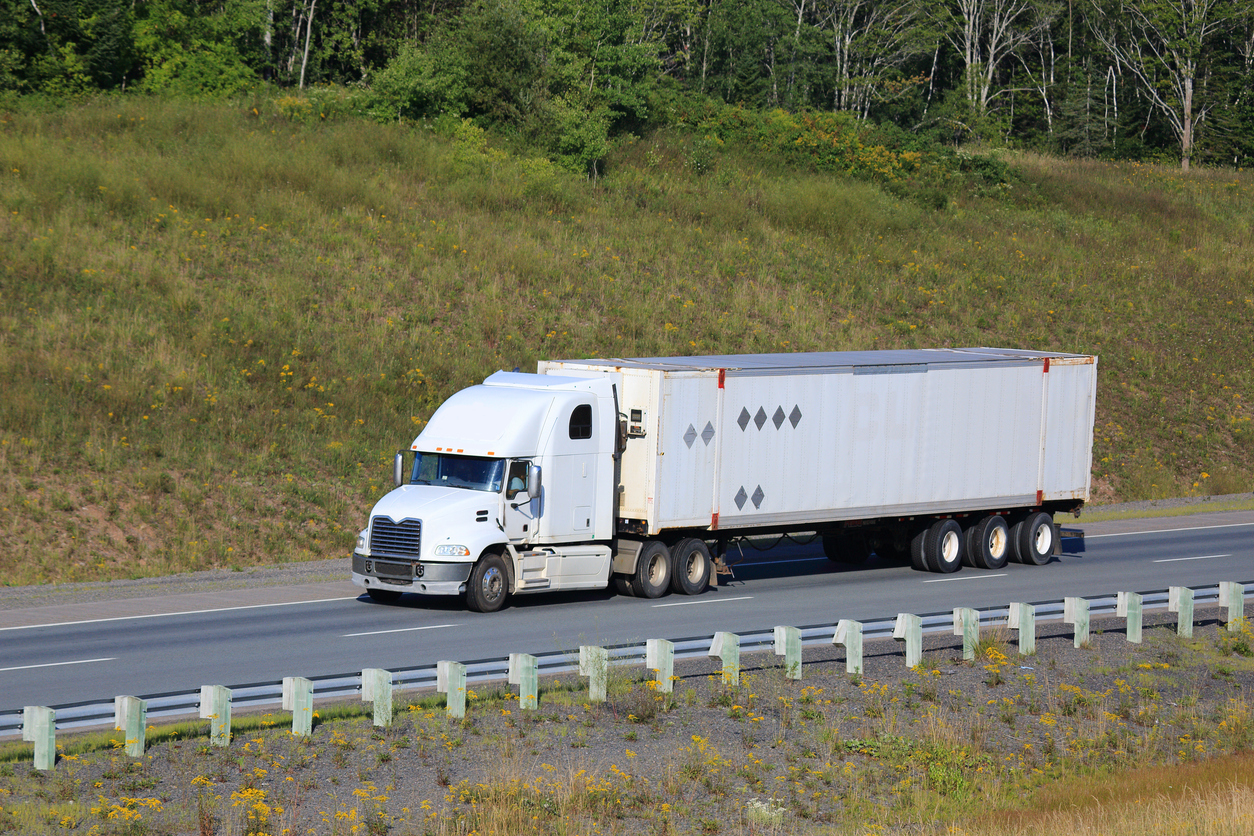
When a shipment is damaged at a dock, a port, a warehouse hand‑off, or any point between pickup and delivery, the loss can cripple a carrier’s cash flow. Cargo freight insurance shields you from that risk by paying for the physical loss or damage to the freight, even when the carrier isn’t at fault. Alvix offers a standard $100,000 coverage limit that can be custom tailored to $250,000 + for just $100‑$300 per load, and we write policies in 23 states across the United States.
Ready for instant protectioN?
What Is Cargo Freight Insurance?
Cargo freight insurance is a specialized policy that covers the physical loss or damage to freight while it is in the carrier’s care, custody, and control. Coverage starts the moment the load is picked up from the shipper’s dock and continues through every hand‑off, including docks, ports, intermodal terminals, and warehouses, until it is delivered to the consignee.
Primary vs. Contingent Cargo Insurance – How They Work
- Primary cargo insurance is the first line of defense. If a loss occurs, this policy pays up to the agreed‑upon limit (usually $100,000).
- Contingent cargo insurance sits behind the primary policy. It only pays when the primary insurer either denies the claim, does not respond, or exhausts its limit. Many brokers and shippers now require proof of both primary and contingent limits before they will book a carrier.
Who Needs Cargo Freight Insurance?
The coverage is essential for any carrier that physically hauls freight. It is most valuable for:
- Owner‑operators who need to meet broker‑required limits.
- Small fleets handling mixed commodity types.
- First‑time authorities establishing insurance for the first time.
- Carriers moving high‑value or commodity‑sensitive freight (electronics, pharmaceuticals, machinery, etc.).
- Anyone a broker asks to prove a specific limit before booking.
Alvix Cargo Freight Insurance – What’s Covered
- Motor‑truck cargo coverage from pickup to delivery, physical damage regardless of fault.
- Standard limit of $100,000, sized to match the value of what you haul.
- Per‑load riders that boost a single shipment’s limit to $250,000 + for $100‑$300 per load, no need to rewrite your annual policy.
- General Average protection and ocean or intermodal cargo coverage for container freight.
- 24/7 online access to your Certificate of Insurance and a dedicated account manager on every account.
What Cargo Freight Insurance Does Not Cover
- The truck itself, covered under Physical Damage Protection Coverage
- Bodily injury or property damage to others, covered under Primary Truck Liability Insurance
- Damage to a non-owned trailer under interchange, covered under Trailer Interchange Insurance Protection
- Non-vehicle risks like slip-and-fall or premises claims, under General Liability Insurance Coverage
Who Needs Cargo Freight Insurance
Any carrier physically hauling freight needs this coverage, since carrier liability was never built to make a shipper whole on a lost load. It matters most for high-value or commodity-sensitive freight, and for anyone a broker asks to prove a specific limit before booking.
Pricing by Vehicle & Cargo Type (Annual Rates)
Flatbed | Auto Hauler | Heavy Haul | Logging Truck | Cement Truck | Tank Truck | Dump Truck | Box Truck | Hot Shot | Refrigerated
Rates reflect the base cargo‑coverage premium (the primary truck liability premium is separate). Prices vary by the type of vehicle you operate and the typical commodity risk.
| Vehicle/Cargo Type | Minimum Rate | Maximum Rate |
|---|---|---|
| Flatbed | $7,000 /year | $22,000 /year |
| Auto Hauler | $8,000 /year | $28,000 /year |
| Heavy Haul | $11,000 /year | $42,000 /year |
| Logging Truck | $8,000 /year | $30,000 /year |
| Cement Truck | $6,000 /year | $22,000 /year |
| Tank Truck | $11,000 /year | $50,000 /year |
| Dump Truck | $6,000 /year | $18,000 /year |
| Box Truck | $3,000 /year | $12,000 /year |
| Hot Shot | $5,000 /year | $16,000 /year |
| Refrigerated | $7,000 /year | $25,000 /year |
These ranges apply to all the states listed below. Your declared cargo value, commodity risk, and state-specific regulations determine your final premium.
States Where Alvix Writes Cargo Freight Insurance
We are licensed to provide cargo freight insurance in the following states and surrounding counties. Choose the state that matches your operation to see localized pricing and any state‑specific requirements.
Florida | Texas | Louisiana | Arkansas | Alabama | Georgia | South Carolina | North Carolina | Tennessee | Kentucky | Indiana | Ohio | West Virginia | Pennsylvania | New Jersey | Mississippi | Kansas | Missouri | Illinois | Nevada | Oklahoma | Colorado | New Mexico
How to File a Cargo Claim: Step by Step
- Notify Alvix within 24 hours of any loss or damage (call (305) 909-6444 or email info@alvixinsurance.com)
- Snap photos right away. A clear photo often saves a claim.
- Gather the Bill of Lading, photos of the damaged freight, and any carrier incident reports.
- Submit the documentation to your dedicated account manager.
- Answer carrier‑investigation requests promptly.
- Our claims team reviews the submission, coordinates with the carrier (if needed), and typically settles 95 % of approved claims within 10 days.
Frequently Asked Questions
Why Trucking Businesses Choose Alvix Insurance Group
When you work with Alvix Insurance Group, you get an experienced team that understands the trucking insurance industry.
- 10+ years of trucking insurance experience – focused on helping trucking businesses.
- Licensed in 23+ states – serving trucking clients across multiple states.
- 30+ carrier partnerships – explore coverage options from multiple insurance carriers.
- Trucking-focused service – supporting owner-operators and growing fleets.
- Tailored Insurance Options – coverage options based on your trucking operation.
- Same-Day COIs – helping you get your COI quickly when you need proof of coverage.
- Nationwide service – helping trucking businesses across the country.
- Support throughout the process – from discussing coverage options to helping you understand your policy.


