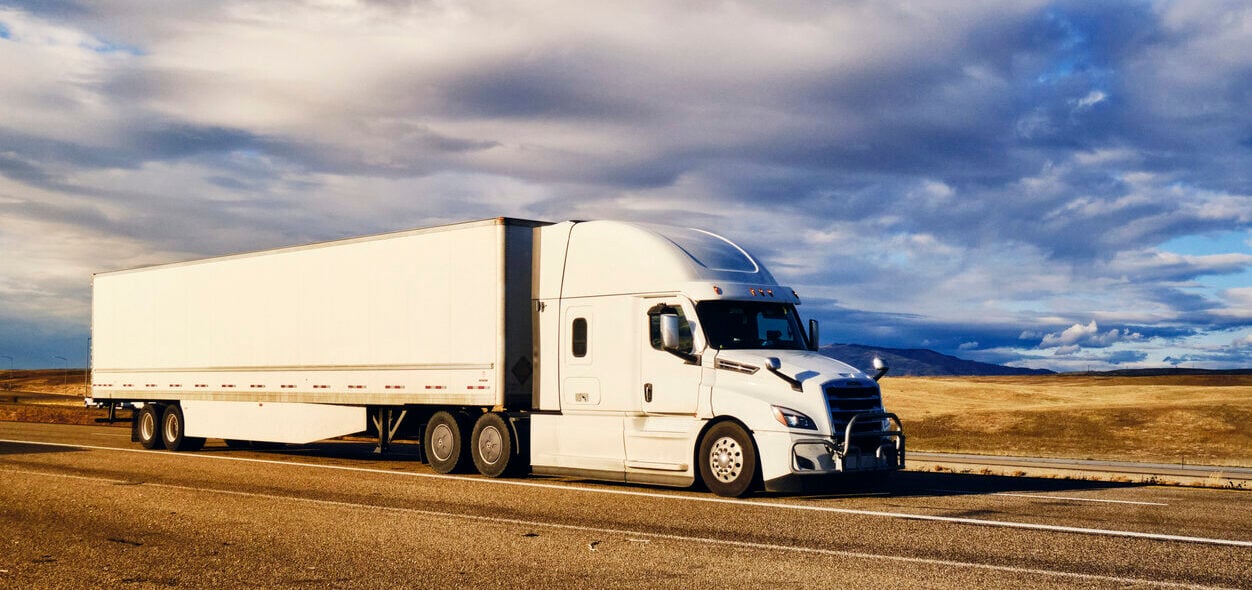
Louisiana carries one of the largest freight volumes in the country. The largest refinery cluster in North America runs along I-10.
The Port of New Orleans moves millions of tons annually. The offshore energy corridor runs through Lafayette and Houma.
High litigation rates, Gulf Coast storm exposure, and congested industrial corridors all push premiums above national norms. Here is what you need to know before you buy or renew.
Quick Answer: Louisiana commercial trucking insurance costs between $10,000 and $45,000 per year, depending on truck type, cargo class, operating corridor, and authority age. Interstate carriers must carry a minimum of $750,000 in liability under 49 CFR Part 387. Intrastate carriers file proof of coverage on Form E with the Louisiana Public Service Commission under R.S. 45:173. Oil and petrochemical carriers face a $1,000,000 minimum. Hazmat under 49 CFR 172.101 requires up to $5,000,000. Most freight brokers require $1,000,000 CSL as the practical floor regardless of the legal minimum.
Key Takeaways
Louisiana Minimum Insurance Requirements
- Louisiana premiums run 10–20% above national averages due to litigation rates, hurricane exposure, and high claim severity on I-10 and I-20
- Form E (intrastate) and MCS-90 (interstate) are separate filings with separate agencies; confirm which applies before your policy is issued
- Lowboy, reefer, auto hauler, and hotshot trucks each carry distinct coverage requirements and rate factors unique to Louisiana
- New authority carriers pay 20–40% more than experienced operators; 3 years of clean loss history unlocks standard market access
Louisiana splits trucking insurance into two tracks: federal minimums enforced by FMCSA and state minimums enforced by the Louisiana Public Service Commission (LPSC).
Federal minimums under 49 CFR Part 387:
| Operation Type | Minimum Liability |
|---|---|
| For-hire, non-hazardous freight, vehicles at or above 10,001 lbs GVW | $750,000 |
| For-hire, oil transport | $1,000,000 |
| For-hire, hazardous materials under 49 CFR 172.101 | $1,000,000 to $5,000,000 |
| For-hire, non-hazardous freight, vehicles under 10,001 lbs GVW | $300,000 |
Louisiana intrastate carriers file proof of liability on Form E with the LPSC under R.S. 45:173. Property and household goods carriers also file cargo proof on Form H. Cancellations use Form K.
Real Scenario: A flatbed operator hauling steel coils from Baton Rouge to New Orleans stays intrastate. The broker must file Form E before the truck legally operates. Skip it, get audited, and operations are suspended until the filing is in place.
$750,000 is the legal minimum, not the practical minimum. Most Louisiana freight brokers require $1,000,000 CSL on your certificate of insurance before assigning loads.
Staying at the legal floor means missing the brokers that pay the best rates. Review our commercial trucking insurance services to find the coverage limits you need to access premium loads.
What Commercial Trucking Insurance Costs in Louisiana
Louisiana runs above national averages. High litigation frequency, hurricane and flood exposure, and dense freight on high-risk corridors all push premiums up.
Annual premium ranges by truck type in Louisiana (2026):
| Truck Type | Annual Premium Range | Key Note |
|---|---|---|
| Semi Truck / Dry Van | $10,000–$20,000 | Experienced operator, clean MVR |
| Flatbed Truck | $10,000–$20,000 | Higher end for steel, lumber, machinery |
| Reefer / Refrigerated Truck | $11,000–$22,000 | Requires reefer breakdown endorsement |
| Hotshot Truck | $8,000–$15,000 | Varies by cargo class and radius |
| Auto Hauler / Car Hauler | $13,000–$28,000 | VIT coverage is the cost driver |
| Lowboy / Heavy Haul | $16,000–$38,000 | OSOW permit required; higher liability exposure |
| Tank Truck | $17,000–$45,000 | Hazmat cargo pushes ceiling sharply |
| Box Truck | $5,000–$12,000 | Lower exposure, shorter radius typical |
| Long Haul OTR | $11,000–$22,000 | Gulf Coast to Midwest routes common |
Figures above are full-package estimates covering primary liability, physical damage, and cargo. Liability-only policies run roughly 60–70% of the full package cost.
New authority operators pay 20–40% above these ranges for the first 12–24 months. Limited loss history pushes most standard markets to price new ventures at elevated risk.
Real Scenario: A new hotshot operator in Shreveport with a clean record gets quoted $13,500 for year one. An experienced operator with the same equipment and 4 years of prior coverage history gets $9,200 for the same package. The $4,300 gap is authority age, not driving skill. (First-time carriers can learn more in our new venture truck insurance guide).
For a deeper look at how these premiums are calculated, review our detailed breakdown of commercial trucking insurance rates in Louisiana.
Specialty Truck Insurance in Louisiana
Louisiana’s petrochemical corridor, port traffic, Gulf Coast seafood and agricultural freight, and offshore energy logistics create coverage needs that standard policies frequently miss.
1. Reefer Trucking Insurance in Louisiana
Refrigerated truck insurance in Louisiana costs $11,000–$22,000 per year for a full package.
Louisiana’s heat means reefer unit failures cause spoilage faster than in cooler states. Underwriters price that frequency into every quote.
The reefer breakdown endorsement is not automatic. Standard cargo policies exclude loss caused by mechanical reefer failure. Without the endorsement added separately, a $45,000 load of produce or pharmaceuticals spoiled by a unit failure is fully uncovered.
Louisiana corridors with year-round reefer demand:
- Sugar cane processing in the Acadiana region
- Seafood transport out of the Gulf Coast parishes
- Produce distribution through New Orleans and Baton Rouge
Many carriers on these routes carry $250,000 or more in cargo limits to match actual load values, alongside their primary truck liability insurance.
2. Lowboy Trucking Insurance in Louisiana
Louisiana DOTD requires a certificate of insurance for a minimum of $100,000 on file before issuing any OSOW (oversize/overweight) permit. This has been mandatory since December 4, 2019. No certificate on file means no permit, regardless of how your primary policy reads.
Annual lowboy insurance in Louisiana runs $16,000–$38,000. The upper range is driven by:
- Cargo value: oilfield equipment, construction cranes, industrial machinery
- Route complexity: bridge weight restrictions on aging Louisiana infrastructure
- Escort requirements: pilot car operators need separate liability ($100,000) and property damage ($50,000)
Real Scenario: A lowboy operator applies for an OSOW single-trip permit through DOTD’s LaGeaux system hauling an oilfield pump unit into south Louisiana. DOTD rejects it — no certificate on file. The haul sits in Beaumont, Texas for two days while the broker gets the certificate filed. $1,800 in holding costs.
Given the high value of lowboy equipment, securing comprehensive physical damage protection coverage is critical for these operators to avoid catastrophic cargo and equipment losses.
3. Hotshot Trucking Insurance in Louisiana
Hotshot operators typically run gooseneck or flatbed trailers behind Class 3–5 pickups. Required coverage stack:
- Primary auto liability: $750,000 minimum interstate; most load boards require $1,000,000
- Motor truck cargo: $100,000 minimum; higher for oilfield or construction loads
- Physical damage: comprehensive and collision on both truck and trailer
- General liability: $1,000,000 per occurrence; required by most shippers
- Occupational accident: covers driver injury; critical for solo operators
Louisiana hotshot rates run $8,000–$15,000 annually. The oilfield corridor through Lafayette, Morgan City, and Houma is the dominant hotshot market in Louisiana. Most oilfield companies require $1,000,000 in cargo freight insurance protection on vendor agreements before assigning a load.
4. Auto Hauler Trucking Insurance in Louisiana
Auto transport insurance in Louisiana costs $13,000–$28,000 per year.
Vehicle-in-transit (VIT) coverage is the defining policy for auto haulers. Standard cargo policies do not cover VIT. You need a policy or endorsement specifically written for auto transport.
Required coverage for Louisiana auto haulers:
- Primary auto liability: $750,000 to $1,000,000
- Vehicle-in-transit (VIT): sized to the combined value of vehicles you carry
- Physical damage: on your truck and trailer
- On-hook towing if applicable: covers vehicles being towed, not transported
New Orleans port operations and the Baton Rouge to Houston triangle generate consistent auction and dealer transport volume year-round. If you are a Florida-based operator crossing into these routes, review our essential tips for auto hauler insurance in Florida to ensure your coverage extends properly.
Louisiana Freight Corridors and How They Affect Your Rate
Where you operate is a direct pricing variable. Underwriters maintain loss data by zip code and corridor.
1. I-10: The Petrochemical Corridor
- I-10 runs from New Orleans through Baton Rouge to Lake Charles and the Texas border, passing through the largest refinery cluster in North America.
- Dense truck traffic, elevated sections through New Orleans, and high-value industrial cargo combine to produce high accident frequency and high claim severity.
- Operators garaged in the New Orleans or Baton Rouge metro area typically pay 10–20% more than comparable operators in rural north Louisiana parishes.
2. I-20: Shreveport and the Texas Freight Link
- I-20 connects Shreveport to Monroe and Tallulah from the Texas border.
- NHTSA recorded 13.52 fatal crashes per 100 miles on I-20 in a recent study period, with Louisiana’s segment carrying a disproportionate share.
3. I-49: The North-South Agricultural and Energy Spine
- I-49 runs from Shreveport south through Alexandria and Lafayette toward the coast. Agricultural cargo (sugar cane, cotton, soy) and oilfield supply freight both move on this corridor.
- Flood-prone secondary roads and bridge weight restrictions in the bayou parishes affect both route choices and policy terms.
Real Scenario: A Lafayette flatbed operator running oilfield pipe to Houma pays $14,800 per year. A Natchitoches operator with the same truck, cargo class, and experience pays $11,200. The $3,600 difference is corridor exposure and garaging location.
Because Louisiana carriers frequently run loads into neighboring states, it is critical to structure your policy correctly. If your routes cross borders, review the specific requirements for commercial trucking insurance in Texas and Mississippi.
Coverage Types Every Louisiana Trucker Needs
1. Primary Truck Liability (BIPD)
Required by law. Covers bodily injury and property damage you cause to others. This is 60–70% of your total premium.
- Interstate minimum: $750,000 under 49 CFR Part 387
- Practical broker minimum: $1,000,000 CSL
- Hazmat and oil transport: $1,000,000 to $5,000,000
2. Motor Truck Cargo
Covers your freight if it is lost, damaged, or stolen. Standard limits start at $100,000, but Louisiana freight often exceeds that.
- Agricultural cargo: size to actual load value
- Reefer cargo: reefer breakdown endorsement must be added separately
- Oilfield equipment: many shipper contracts require $250,000 to $500,000
3. Physical Damage
Covers your truck in a collision, fire, theft, or weather event. In Louisiana, comprehensive physical damage is a necessity, not an option.
| Weather Risk | Louisiana Exposure |
|---|---|
| Hurricane wind and debris | Regular direct landfalls along the Gulf Coast |
| Storm surge flooding | Jefferson, Lafourche, and Terrebonne parishes flood during major events |
| Tropical storm damage | Sub-hurricane storms still produce damaging wind and rain |
| Hail | Active spring storm season across Shreveport and Monroe |
A truck at a staging yard when Hurricane Ida made landfall at 150 mph in Lafourche Parish with no comprehensive coverage absorbed every repair dollar out of pocket. Adding physical damage protection coverage is the only way to shield your equipment from Louisiana’s extreme weather.
4. Bobtail / Non-Trucking Liability
Covers your tractor when operating without a trailer and outside of dispatch. Without it, an accident while bobtailing is an uninsured loss.
5. Trailer Interchange
Trailer interchange insurance protection covers non-owned trailers in your possession under an interchange agreement.
This is highly active for port drayage operations around the Port of New Orleans and Port of South Louisiana.
6. General Liability
General liability insurance covers injury or damage that occurs off the truck: at a dock, during loading, or at your premises.
The standard limit is $1,000,000 per occurrence, and most Louisiana shippers and brokers require it alongside your auto liability before assigning loads.
7. Occupational Accident
Occupational accident insurance coverage handles driver injuries when workers’ comp does not apply, typically for independent contractors.
It pays medical expenses, disability income, and accidental death benefits. In Louisiana, worker classification disputes after an injury can take months to resolve, but this coverage protects the driver regardless.
8. Excess Liability
Excess liability insurance extends your limits above the primary policy.
Because Louisiana has one of the highest nuclear verdict rates in the country, any fleet running more than three trucks should carry this as a standard line, not an optional one.
What Drives Your Rate Up and Down
Factors that push your rate up:
- Authority age under 2 years: new ventures pay 20–40% more in nearly every market
- Garaging location: New Orleans metro and Baton Rouge zip codes carry higher loss scores than rural parishes
- Commodity class: petrochemicals, hazmat, and high-value freight push liability and cargo limits higher
- Driver MVR violations: speeding tickets, at-fault accidents, or HOS violations in the last 3 years increase premiums significantly
- PSP record: multiple roadside inspection violations in 2 years flag carriers for higher-risk pricing
- Operating radius: long-haul interstate operations carry more exposure than short-haul regional work
- Gaps in loss history: missing loss runs or prior insurance documentation increases perceived risk
Factors that bring your rate down:
- Dashcam or telematics: most carriers discount 5–10% for documented real-time monitoring
- Clean MVR across all drivers: no violations in 3 or more years is the strongest single discount signal
- Clean loss runs: 3 to 5 years opens access to standard markets rather than surplus lines
- Paid-in-full premium: eliminates installment fees, typically 3–8% of total premium
- Early remarketing: shopping 30–45 days before renewal gives time to compare real options
- Documented safety programs: training records, drug testing, and maintenance logs support better renewal rates, as well as following best practices for commercial fleets.
Understanding how insurers evaluate each of these factors is critical for managing your overall trucking insurance costs.
Intrastate vs. Interstate: The Filing Difference
One filing does not cover both. Many new Louisiana carriers learn this the hard way.
Interstate carriers crossing state lines:
- Require a USDOT number and MC number
- Insurance filed as an MCS-90 endorsement attached to your primary liability policy
- Also requires a BOC-3 process agent designation before FMCSA grants authority
Intrastate carriers operating only within Louisiana:
- Proof of liability filed on Form E with the LPSC
- Proof of cargo coverage filed on Form H
- Cancellations noticed on Form K
- Governed under Louisiana R.S. 45:173
Mixed operations require both filings. A carrier running New Orleans to Baton Rouge regularly, with occasional loads into Jackson, Mississippi, is an interstate carrier under FMCSA definitions even if 90% of miles stay in Louisiana. One trip across state lines triggers interstate status.
OSOW permit layer: Lowboy and heavy haul operators need an active certificate of insurance on file with Louisiana DOTD before permits are issued. The minimum is $100,000, filed separately through the LaGeaux permitting portal. You can verify our licensed states for trucking insurance to confirm where we are authorized to handle these filings on your behalf.
Owner-Operators vs. Fleets
1. Owner-Operators on Their Own Authority
Your full coverage stack:
- Primary liability ($1,000,000 CSL recommended)
- Motor truck cargo sized to your freight
- Physical damage (mandatory if financed)
- Bobtail/non-trucking liability
- Occupational accident
- General liability
Total package in Louisiana: typically $10,000–$22,000 per year depending on truck type.
2. Owner-Operators Leased to a Carrier
Your carrier’s policy covers you under dispatch only. You still need:
- Non-trucking liability (bobtail): covers you outside of dispatch
- Physical damage: the carrier’s policy does not cover your equipment
- Occupational accident: carrier policies typically exclude your injury costs
If you are permanently leased to a carrier, confirm in writing what their policy covers before buying duplicate coverage.
3. Fleet Operators (3 or More Trucks)
- Every driver must be listed and vetted
- Aggregate vs. per-vehicle limit structure matters for claim exposure
- Excess liability is standard at 5 or more trucks
Louisiana fleets running petrochemical or hazmat routes should carry $2,000,000 to $5,000,000 in excess liability above primary limits. Nuclear verdicts in Louisiana trucking cases have exceeded $10,000,000. Tank truck operators carrying these materials should secure essential tank truck insurance coverage.
If you are running heavy haul and oversized load operations across state lines, the heavy haul trucking insurance requirements in Florida closely mirror Louisiana’s structure.
How to Prepare for a Better Quote
What you bring to the quoting process determines which markets are available to you.
Documents to prepare before requesting a quote:
- Driver list: full name, date of birth, CDL number, and issuing state for every driver
- Loss runs: minimum 3 years from your current or prior insurer; 5 years preferred
- Equipment schedule: year, make, model, VIN, and stated value for every truck and trailer
- Commodity description: what you haul, where, and average load values
- Operating radius: local (under 200 miles), regional (200–500 miles), or long-haul (over 500 miles)
Tell every broker upfront:
- Whether you operate intrastate, interstate, or both
- Whether you have OSOW permit requirements
- Whether you are leased to a carrier or on your own authority
Shop 30–45 days before renewal. Waiting until the last week limits your options to whoever can bind quickly, which is rarely the best price.
If a quote feels high, ask the broker: which market did you submit this to, and why did others decline? A good broker answers without hesitation.
If you are just beginning your search, review our commercial trucking insurance FAQ or explore our complete range of trucking insurance solutions. Neighboring state operators should also check the specific rates and requirements for Alabama and Arkansas.
FAQs
Work with Alvix Insurance in Louisiana
Alvix Insurance covers Louisiana carriers across every truck type: hotshot operators on oilfield routes, reefer carriers running Gulf Coast freight, lowboy operators moving industrial equipment through the petrochemical corridor, and fleets of all sizes.
At Alvix we handle Form E (LPSC) and MCS-90 (FMCSA) filings at binding. We file OSOW certificates with DOTD for lowboy and heavy haul operators.
We size cargo limits to your actual freight values and shop multiple A-rated carriers before submitting your quote.
- Coverage compared across multiple A-rated carriers
- State and federal filings handled at binding
- Cargo limits sized to actual freight, not defaults
- Honest answers on why your rate is what it is


