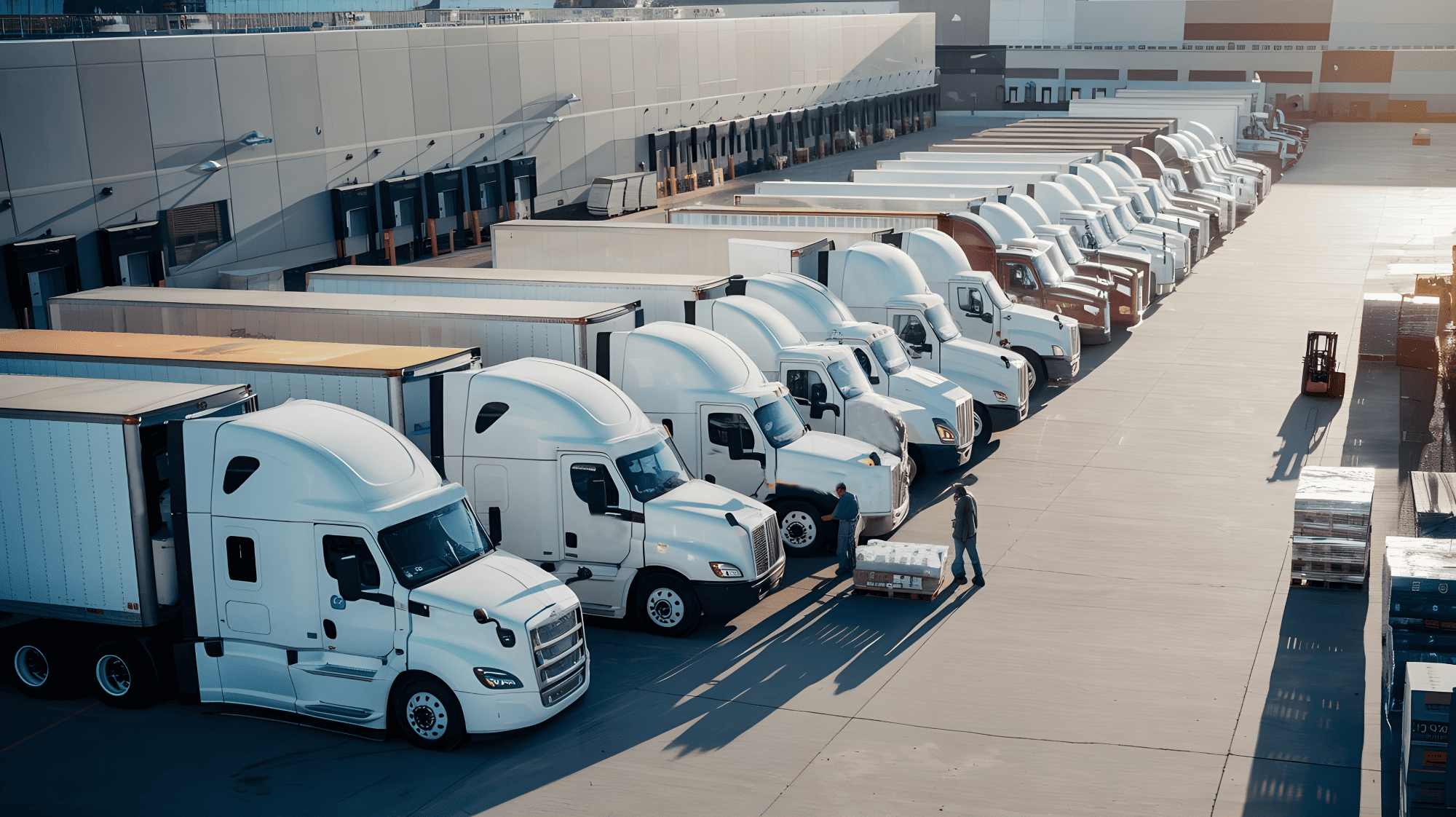
Trailer interchange insurance pays to repair or replace a trailer you don’t own. Coverage applies while it’s in your possession under a signed interchange agreement.
It rides on your primary liability policy, not as a separate product.
If you own and pull only your own trailer, skip this coverage. It’s built for tractor-only and power-only carriers who hook to equipment a broker, shipper, or another carrier owns.
Key Takeaways
- Built for tractor-only and power-only carriers, not for carriers who own and pull their own trailer.
- A signed trailer interchange agreement triggers the coverage; neither one works without the other.
- Declared trailer values commonly run $40,000 to $100,000.
- A duplicate non-owned trailer line can mean paying twice for the same protection.
- Covers load-out, drop-and-hook, and repower situations, not just a standard pickup.
What Is Trailer Interchange Insurance?
What a Trailer Interchange Agreement Must Include
Federal rule 49 CFR Part 376 sets what a written interchange agreement has to name. This agreement is what triggers your coverage, not the other way around.
At minimum, a valid agreement identifies:
- The specific trailer, by number or VIN.
- Both parties: the owner and the carrier taking possession.
- Who’s responsible if the trailer gets damaged.
Without these terms in writing, an insurer has nothing to point to. No proof of lawful possession, no agreed value, no basis to pay a claim.
Trailer interchange coverage is part of your commercial auto insurance policy, not a freestanding product.
When You Don’t Need Trailer Interchange Coverage
Carriers who run only their own trailer don’t need this line. It’s built for one operating pattern: a tractor with no trailer, picking up equipment someone else owns.
That covers:
- Power-only carriers who never own a trailer.
- Owner-operators doing load-out or repositioning moves.
- Carriers covering a repower when another truck breaks down.
First-time authorities weighing what to add first can start with our new venture truck insurance guide.
Trailer Interchange Coverage vs. Non-Owned Trailer Insurance
How Trailer Interchange and Non-Owned Trailer Coverage Differ
Brokers use “trailer interchange” and “non-owned trailer” almost interchangeably, but they aren’t always the same thing. Interchange coverage responds to equipment moved under a signed agreement.
A non-owned trailer endorsement can apply more broadly, including gooseneck or fifth-wheel trailers with no interchange contract behind them.
| Coverage | What Triggers It |
|---|---|
| Trailer Interchange Insurance | A signed interchange agreement, covering the trailer while it’s in your possession |
| Non-Owned Trailer Physical Damage | Any non-owned trailer you haul, agreement or not |
| Cargo | The freight inside the trailer, not the trailer itself |
| Physical Damage | Your own truck and trailer, not equipment you don’t own |
Why Some Carriers Pay for the Same Coverage Twice
We regularly see policies carrying trailer interchange and a separate non-owned trailer line that duplicates it.
If interchange coverage is already in place, that second endorsement is often overlap, not extra protection. Ask your agent to check for it before you renew, not after.
What Trailer Interchange Insurance Covers and Excludes
Covered Causes of Loss
A trailer interchange policy typically pays for:
- Collision, loaded or empty.
- Fire, theft, and vandalism.
- Hail, wind, and flood damage.
- Rollover during a move, including a drop-and-hook transfer.
What Trailer Interchange Insurance Doesn’t Cover
Coverage stops at physical damage to the trailer itself. It doesn’t extend to:
- The freight inside, which needs its own cargo policy.
- Injuries or property damage to others, covered by general liability instead.
- Mechanical breakdown or normal wear.
- Pre-existing damage documented at pickup, not after.
The pickup inspection matters as much as the policy itself. Our fleet risk management guide covers what a solid checklist should include.
How Much Trailer Interchange Coverage You Need
Broker and Shipper Coverage Minimums
Brokers set their own trailer interchange floor before dispatching a load to you. It’s tied to what the trailer is worth, not a flat industry number.
| Declared Trailer Value | Typical Use Case |
|---|---|
| $40,000-$60,000 | Older or standard dry van equipment |
| $60,000-$100,000 | Newer trailers, reefers, or specialty equipment |
| Above $100,000 | High-value equipment; pair with excess liability if your primary limits are stretched thin |
What Moves Your Trailer Interchange Premium
Your premium reflects the declared trailer value, your claims history, and how often you actually interchange equipment. A carrier running interchange loads daily prices differently than one running it occasionally.
Ask about these before you bind coverage:
- The trailer’s real declared value, not a round number nobody checked.
- Your deductible; raising it on interchange coverage often lowers the premium.
- Whether a duplicate non-owned trailer line is already sitting on your policy.
Power-Only, Drop-and-Hook, and Repower Situations
Load-Out and Repower Trailers
A load-out assignment lets you run a broker’s trailer for a set number of days before delivering it empty. A repower puts you on someone else’s load mid-route after a breakdown.
Both situations put you in possession of a trailer you don’t own.
Trailer interchange coverage has to be active before you touch either one. Power-only work like this overlaps with gig-freight platforms too, and our Amazon Relay insurance guide covers how interchange applies there.
When Your Paperwork Doesn’t Match What a Broker Asks For
Brokers sometimes want documentation beyond a standard certificate line item, proof you can specifically haul other carriers’ trailers.
Carriers running for-hire operations hit this mismatch most, since brokers vet them closely.
If your certificate only lists a coverage limit, ask your agent for a letter naming the coverage directly. Use the broker’s own wording, not just the dollar amount.
Filing a Trailer Interchange Claim
Documentation That Speeds a Trailer Interchange Claim
A trailer interchange claim moves faster with a paper trail already in place:
- The signed interchange agreement naming both parties and the trailer.
- A condition report or photos from pickup.
- A police report if the damage involved a collision.
- The trailer owner’s contact information for the loss-payee side of the claim.
What Happens Without a Signed Interchange Agreement
| Particulars | With a Signed Agreement | Without One |
|---|---|---|
| Insurer’s basis to pay | Documented possession and an agreed trailer value | Nothing to point to |
| Who covers repair costs | Your trailer interchange policy | Often the carrier, personally |
| Claim timeline | Standard processing | Frequently delayed or denied |
This is the single most common reason a trailer interchange claim stalls, not the damage itself.
How Alvix Places and Manages Trailer Interchange Coverage
Getting Your Trailer Interchange Coverage Quoted
We build coverage around the equipment you actually interchange, not a flat default:
- Declared value matched to what you haul, checked against broker requirements first.
- Duplicate non-owned trailer lines flagged before they cost you twice.
- Your certificate ready before a broker asks for one.
Claims Speed and Ongoing Account Support
Alvix Insurance Group has placed trucking-specific coverage, including trailer interchange, since 2014.
Clients get 24/7 certificate access and a dedicated account manager, so a broker’s last-minute request doesn’t wait until Monday.
Our claims process guide covers what happens after a policy gets used, and our FAQ hub answers broader coverage questions.
Our carrier liability insurance guide and owner-operator coverage guide cover how this fits the rest of your policy.
Trailer Interchange Insurance FAQs
Get a Trailer Interchange Insurance Quote
A trailer you don’t own is still your responsibility once you’re hooked to it.
Alvix Insurance Group has structured interchange coverage around real broker and shipper agreements since 2014.
We catch duplicate coverage before it costs you twice, backed by 24/7 certificate access and a dedicated account manager.


