Amazon Relay requires $1,000,000 in auto liability insurance, $100,000 in cargo coverage, and $1,000,000/$2,000,000 in commercial general liability. That’s the floor before you can book a load. Semi power-only carriers also need $50,000 in trailer interchange coverage.
New carriers typically pay $12,000 to $18,000 a year for this package. Carriers with a clean record often pay $8,000 to $14,000.
Quick answer: Meeting those dollar limits isn’t the whole test. Amazon requires your MC authority active for at least 180 days. Safety scores must sit under internal thresholds stricter than FMCSA’s minimums. Skip this eligibility check and even the right coverage gets you rejected.
Key takeaways
- Certificate verification lags for a specific, fixable reason, not because your coverage is wrong.
- A denial isn’t always final. Amazon’s review process moves slower than its stated rules suggest.
- Box trucks and power-only semis carry very different premium ranges for the same Amazon contract.
- Rates vary by state more than most carriers assume. See the full table below.
- Renewal timing, not renewal shopping, is what actually causes service interruptions.
What Insurance Does Amazon Relay Require in 2026
Amazon’s minimums sit above the FMCSA’s federal floor of $750,000 in auto liability. A policy written to that floor won’t clear onboarding.
| Coverage | Amazon’s Minimum | What It Protects |
|---|---|---|
| Auto Liability | $1,000,000 per occurrence | Bodily injury and property damage you cause, including $50,000 in trailer replacement |
| Cargo Liability | $100,000 | Freight damaged, lost, or stolen in transit |
| Commercial General Liability | $1,000,000 per occurrence / $2,000,000 aggregate | Non-vehicle incidents: dock accidents, third-party property damage |
| Trailer Interchange or Non-Owned Trailer Physical Damage | $50,000 | Damage to an Amazon-owned trailer while it’s hooked to your tractor |
| Workers’ Compensation + Employer’s Liability | State-mandated + $100,000 per occurrence | Employee injury costs, only if you run W-2 drivers |
1. Trailer Interchange vs. Non-Owned Trailer Physical Damage: Which One You Need
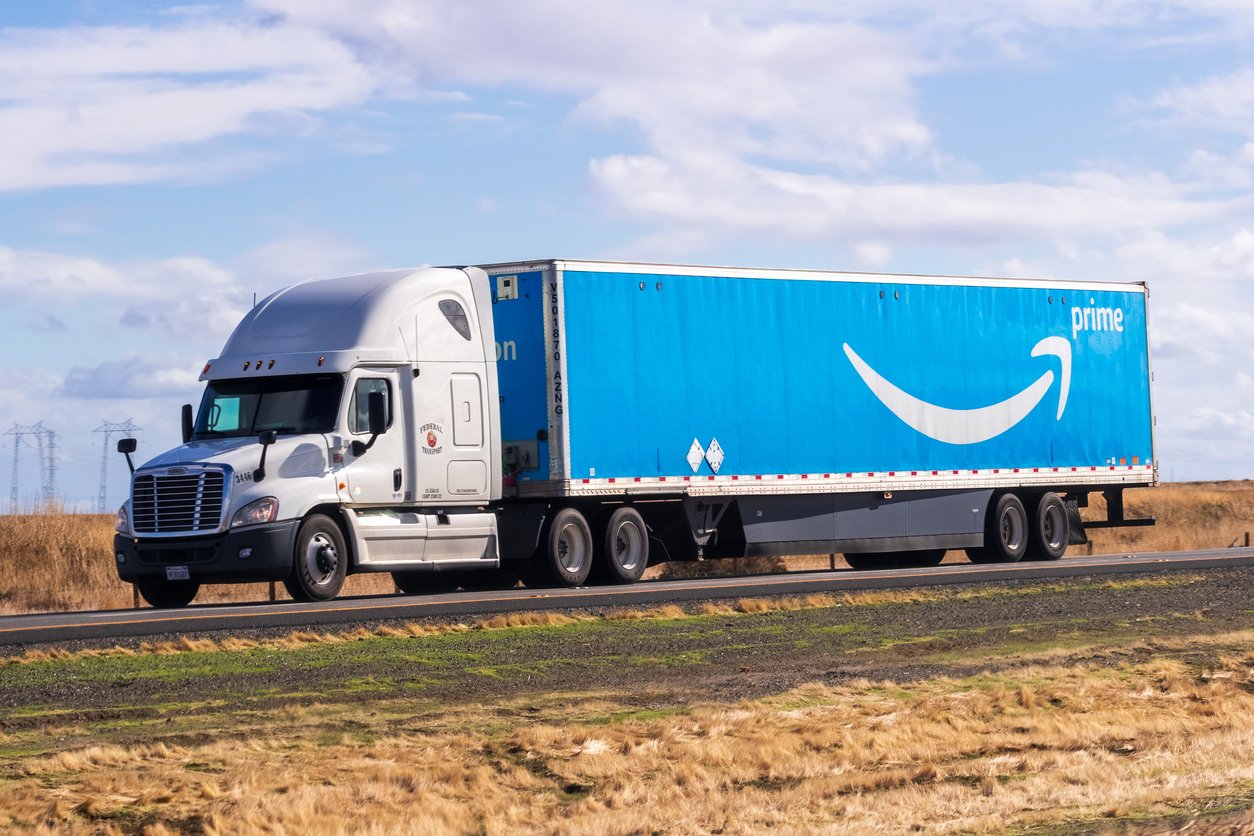
- Amazon runs Relay almost entirely as power-only freight: you supply the tractor, Amazon supplies the trailer.
- That’s the detail that trips up new carriers, since you’re insuring equipment you’ll never own.
- Semi operators need trailer interchange coverage specifically.
- Box trucks pulling a rented trailer usually satisfy this with non-owned trailer physical damage instead.
- Tell your agent which equipment you run before they quote the policy.
2. Workers’ Compensation Only Applies If You Have W-2 Drivers
- A single-truck owner-operator with no employees does not need workers’ compensation to haul for Amazon.
- Add one W-2 driver and that changes, with a $100,000 employer’s liability limit on top.
- Independent contractors don’t trigger it, so most solo Relay carriers never touch it.
Why Your Amazon Relay Certificate Gets Rejected Even When You’re Covered
This is the most common support ticket we see from Relay carriers: correct coverage, real certificate, application still marked incomplete.
1. What RMIS and Certifiable Actually Check
- Amazon uses third-party verification services, RMIS or Certifiable, to confirm your certificate matches your insurer’s own records.
- Which one applies depends on when you applied. Those services update on their own cycle, not the moment your agent hits send.
- We’ve watched applications sit flagged for days after a correct certificate was already on file.
- The certificate was fine; the verifier just hadn’t synced yet. Resubmitting the same document doesn’t speed this up.
- It only adds a second copy to the queue. If a flagged submission sits untouched past two weeks, escalate directly through Relay’s onboarding contact.
- Don’t resubmit the same PDF a third time.
2. What to Tell Your Insurance Agent to Send
- The fix isn’t a new policy. It’s the right paperwork routed correctly.
- Your agent needs to send the certificate directly to Amazon’s verification address.
- Amazon must be listed as the certificate holder, not just referenced in a cover email.
- A mismatched holder name is the single most common reason a correct certificate still gets kicked back.
3. A Denial Isn’t Always the Final Word
- We’ve seen carriers get turned down for one named gap: workers’ compensation in a state that doesn’t even require it.
- Months later, the same carrier gets approved on resubmission with the exact same paperwork.
- That’s not the missing piece quietly becoming optional. It’s Amazon’s own internal review catching up on its backlog.
- If you’re denied, fix whatever gap the rejection actually names. Then wait a full billing cycle and resubmit the identical file.
- Don’t assume you need to restructure your business to qualify.
Amazon Relay Insurance Available Across Multiple States
Amazon Relay carriers operate across different states, and each trucking business has unique insurance requirements based on its routes, cargo, and operating authority. Alvix Insurance Group provides customized Amazon Relay Insurance for owner-operators and fleet businesses across the United States. Whether you’re hauling Amazon freight locally or across state lines, we help you find coverage that meets Amazon Relay requirements, FMCSA regulations, and your business needs.
Amazon Relay Insurance in Mississippi
Businesses searching for Amazon Relay Insurance in Mississippi need coverage that protects trucks, cargo, and drivers while meeting Amazon Relay onboarding requirements. Our insurance specialists help owner-operators and fleet businesses compare customized policies designed for local and interstate freight operations.
Coverage Includes:
- Primary Liability Coverage
- Motor Truck Cargo Insurance
- Physical Damage Coverage
- FMCSA Compliance Support
Amazon Relay Insurance in Louisiana
Amazon Relay Insurance in Louisiana helps trucking businesses transporting Amazon freight stay protected throughout every delivery. Whether you operate one truck or an expanding fleet, we provide insurance solutions that reduce financial risks while keeping your business compliant.
Coverage Includes:
- Commercial Auto Liability
- Cargo Protection
- Physical Damage Coverage
- General Liability
Amazon Relay Insurance in Florida
Florida is one of the busiest freight markets in the country, making dependable Amazon Relay Insurance in Florida essential for owner-operators and fleet businesses. Our customized policies help protect trucks, trailers, cargo, and drivers while supporting Amazon Relay operations across the state.
Coverage Includes:
- Liability Insurance
- Cargo Coverage
- Physical Damage
- Fleet Insurance Solutions
Amazon Relay Insurance in West Virginia
Trucking companies operating through West Virginia require reliable insurance that supports both local and interstate freight movement. Our Amazon Relay Insurance in West Virginia helps businesses stay protected while meeting Amazon Relay and FMCSA insurance requirements.
Coverage Includes:
- Primary Liability
- Motor Truck Cargo
- Physical Damage
- Bobtail Coverage
Amazon Relay Insurance in Nevada
Nevada’s growing logistics and distribution industry creates new opportunities for Amazon Relay carriers. Our Amazon Relay Insurance in Nevada provides customized protection for trucks, cargo, trailers, and business operations.
Coverage Includes:
- Commercial Auto Liability
- Cargo Insurance
- Physical Damage
- Non-Trucking Liability
Amazon Relay Insurance in Tennessee
Whether you’re transporting Amazon freight locally or across neighboring states, Amazon Relay Insurance in Tennessee helps protect your trucking business from unexpected financial risks. We work with owner-operators and fleet owners to find affordable, reliable insurance solutions.
Coverage Includes:
- Liability Coverage
- Cargo Insurance
- Physical Damage
- FMCSA Compliance
Amazon Relay Insurance in Oklahoma
Businesses looking for Amazon Relay Insurance in Oklahoma need coverage designed for commercial trucking operations serving distribution centers and regional freight routes. We help protect trucks, cargo, and drivers with customized insurance options.
Coverage Includes:
- Commercial Liability
- Motor Truck Cargo
- Trailer Protection
- Physical Damage
Amazon Relay Insurance in New Mexico
Our Amazon Relay Insurance in New Mexico is designed for trucking businesses operating across long-haul freight routes and regional distribution networks. We help carriers compare policies that provide dependable protection while meeting Amazon Relay requirements.
Coverage Includes:
- Liability Insurance
- Cargo Protection
- Collision Coverage
- Comprehensive Coverage
Amazon Relay Insurance in Arkansas
Owner-operators and fleet businesses searching for Amazon Relay Insurance in Arkansas can benefit from customized insurance solutions that protect commercial vehicles, cargo, and business operations. We help trucking companies stay compliant while minimizing financial risks.
Coverage Includes:
- Auto Liability
- Cargo Coverage
- Physical Damage
- General Liability
Amazon Relay Insurance in Kentucky
Whether you transport consumer goods, retail products, or commercial freight, Amazon Relay Insurance in Kentucky helps protect your trucks, drivers, and cargo throughout every trip. Our experienced team compares policies that fit your business needs and budget.
Coverage Includes:
- Primary Liability
- Cargo Insurance
- Physical Damage
- Fleet Coverage
Amazon Relay Insurance in Pennsylvania
Pennsylvania is a key freight transportation state, making dependable Amazon Relay Insurance in Pennsylvania essential for trucking businesses serving Amazon Relay routes. We provide customized coverage that helps protect your trucks, cargo, and business operations.
Coverage Includes:
- Commercial Auto Liability
- Cargo Protection
- Physical Damage
- FMCSA Compliance Support
Amazon Relay Insurance in New Jersey
Businesses searching for Amazon Relay Insurance in New Jersey need dependable coverage for trucks transporting Amazon freight through one of the nation’s busiest logistics corridors. Our customized insurance solutions help owner-operators and fleet businesses protect their vehicles, cargo, and operations while meeting Amazon Relay and FMCSA requirements.
Coverage Includes:
- Primary Liability Coverage
- Motor Truck Cargo Insurance
- Physical Damage Coverage
- Fleet Insurance Solutions
Amazon Relay Insurance in Indiana
Indiana plays a major role in Midwest freight transportation, making Amazon Relay Insurance in Indiana essential for trucking companies operating regional and interstate routes. We help businesses compare policies that provide reliable protection for trucks, trailers, cargo, and drivers.
Coverage Includes:
- Commercial Auto Liability
- Cargo Protection
- Physical Damage Coverage
- General Liability
Amazon Relay Insurance in Kansas
Whether you’re hauling retail freight, agricultural products, or commercial goods, Amazon Relay Insurance in Kansas helps protect your trucking business from unexpected financial risks. We provide customized insurance solutions that support owner-operators and fleet businesses throughout the state.
Coverage Includes:
- Liability Insurance
- Motor Truck Cargo Coverage
- Physical Damage Protection
- FMCSA Compliance Support
Amazon Relay Insurance in Colorado
Colorado’s growing transportation industry creates opportunities for Amazon Relay carriers operating local and interstate routes. Our Amazon Relay Insurance in Colorado helps trucking businesses secure reliable protection for trucks, cargo, trailers, and business operations.
Coverage Includes:
- Commercial Liability
- Cargo Insurance
- Physical Damage Coverage
- Fleet Insurance
Amazon Relay Insurance in Ohio
Businesses looking for Amazon Relay Insurance in Ohio need insurance designed to protect commercial vehicles, drivers, and cargo while meeting Amazon Relay onboarding requirements. We help owner-operators and fleets compare affordable coverage options that fit their operations.
Coverage Includes:
- Primary Liability Coverage
- Cargo Protection
- Collision & Comprehensive Coverage
- FMCSA Compliance
Amazon Relay Insurance in South Carolina
South Carolina’s expanding manufacturing and logistics industry depends on reliable trucking operations. Our Amazon Relay Insurance in South Carolina provides customized coverage that helps protect your business from accidents, cargo losses, and liability claims.
Coverage Includes:
- Commercial Auto Liability
- Cargo Coverage
- Physical Damage Insurance
- General Liability
Amazon Relay Insurance in North Carolina
Owner-operators and fleet businesses searching for Amazon Relay Insurance in North Carolina can benefit from customized insurance designed for Amazon freight transportation. We help protect trucks, trailers, cargo, and drivers while supporting long-term business growth.
Coverage Includes:
- Liability Coverage
- Cargo Insurance
- Physical Damage Protection
- Fleet Insurance Solutions
Amazon Relay Insurance in Missouri
Whether you’re transporting consumer goods or commercial freight, Amazon Relay Insurance in Missouri helps keep your trucking business protected throughout every trip. We compare policies from trusted insurance carriers to help you find coverage that matches your business needs.
Coverage Includes:
- Primary Liability
- Cargo Coverage
- Physical Damage Insurance
- FMCSA Compliance
Amazon Relay Insurance in Alabama
Businesses operating Amazon Relay routes throughout Alabama require dependable insurance that protects commercial trucks, cargo, and drivers. Our Amazon Relay Insurance in Alabama provides flexible coverage options for owner-operators and growing fleets.
Coverage Includes:
- Commercial Liability
- Motor Truck Cargo
- Physical Damage Coverage
- General Liability
Amazon Relay Insurance in Illinois
Illinois is one of the busiest freight transportation states in the country. Our Amazon Relay Insurance in Illinois helps trucking businesses meet Amazon Relay insurance requirements while protecting vehicles, cargo, and daily operations.
Coverage Includes:
- Liability Insurance
- Cargo Protection
- Physical Damage Coverage
- Fleet Insurance
Amazon Relay Insurance in Texas
Texas is home to one of the largest commercial trucking markets in the United States. Businesses looking for Amazon Relay Insurance in Texas need customized coverage that protects trucks, trailers, cargo, and drivers while supporting local, regional, and interstate freight operations.
Coverage Includes:
- Primary Liability Insurance
- Motor Truck Cargo Coverage
- Physical Damage Protection
- FMCSA Compliance Support
Amazon Relay Insurance in Georgia
Georgia’s transportation and distribution network creates significant opportunities for Amazon Relay carriers. Our Amazon Relay Insurance in Georgia helps owner-operators and fleet businesses secure affordable insurance while protecting commercial vehicles and business assets.
Coverage Includes:
- Commercial Auto Liability
- Cargo Insurance
- Physical Damage Coverage
- Fleet Protection
Amazon Truck Insurance in Miami
Businesses searching for Amazon Truck Insurance in Miami require insurance that supports deliveries through South Florida’s busy freight network, including PortMiami and major interstate highways. We provide customized insurance solutions for Amazon Relay carriers, helping protect trucks, cargo, drivers, and business operations while meeting FMCSA and Amazon Relay requirements.
Coverage Includes:
- Liability Insurance
- Cargo Protection
- Physical Damage Coverage
- Owner-Operator & Fleet Insurance
Amazon Relay Insurance Costs by State
Coverage minimums are federal-level flat, but your premium isn’t. State claims costs, weather exposure, and litigation environment move the range even for identical coverage.
| State | Box Truck Carrier | Power-Only Semi Carrier |
|---|---|---|
| North Carolina | $4,000–$9,000/year | $8,000–$17,000/year |
| Kentucky | $4,000–$8,500/year | $7,500–$15,000/year |
| Ohio | $4,000–$8,500/year | $7,500–$15,000/year |
| New Jersey | $5,000–$12,000/year | $11,000–$22,000/year |
| Oklahoma | $3,000–$8,000/year | $7,000–$14,000/year |
| Pennsylvania | $4,500–$10,000/year | $9,000–$18,000/year |
| Tennessee | $4,000–$9,000/year | $8,000–$16,000/year |
| Florida | $4,000–$10,000/year | $9,000–$18,000/year |
| Mississippi | $3,000–$8,000/year | $7,000–$14,000/year |
| Indiana | $3,500–$8,000/year | $7,000–$14,000/year |
| Arkansas | $3,500–$8,000/year | $7,000–$14,000/year |
| Louisiana | $5,000–$12,000/year | $10,000–$20,000/year |
| South Carolina | $4,000–$9,000/year | $8,000–$16,000/year |
Carriers searching for amazon truck insurance in Miami use the Florida range above. Coverage minimums don’t shift by metro area.
Miami’s claims frequency and theft rates can push you toward the top of that range. See our freight types and insurance needs in Miami guide for market detail.
What Actually Moves Your Rate Inside Each State
Driving history, equipment age, and claims history matter more than your state does. A clean record in New Jersey can land near the bottom of that range.
A new authority in Mississippi can sit near the top of its own, even though Mississippi’s range runs lower overall.
Box Truck vs. Power-Only Semi: Matching Coverage to Your Equipment
Amazon Relay accepts day cabs, sleeper cabs, dry van and reefer trailers, and box trucks, but excludes cargo vans outright. Your equipment type changes your premium and which endorsements apply.
1. Box Truck Carriers (Rented or Owned)
Rent through Penske, Ryder, or similar and expect additional insured and loss payee requirements too, on top of Amazon’s.
Update physical damage coverage every time you swap rental units. Truck values run $40,000 to $120,000. A stale value on file is the fastest way to end up underinsured.
2. Power-Only Semi Carriers Pulling Amazon Trailers
Your trailer interchange or non-owned trailer physical damage endorsement does real work on every load, not just formality.
You never own the trailer. Standard physical damage coverage on your own equipment won’t respond to damage while Amazon’s trailer is hooked to your tractor.
The 180-Day Authority Rule and Other Eligibility Requirements
1. Active Authority for 180 Days
New ventures can no longer apply the moment their authority activates. Your MC number needs six months of active history first, no matter how strong your insurance package looks.
Building a new authority for Relay freight? Our guide for first-time carriers covers what to line up during that wait.
2. BASIC Score Thresholds Amazon Enforces
Amazon’s internal thresholds run about 5% stricter than the federal FMCSA safety category baseline.
Unsafe driving and hours-of-service stay under 60%; vehicle maintenance stays under 75%. A carrier compliant with FMCSA can still fail Amazon’s own bar.
Two Coverage Mistakes That Get Amazon Relay Carriers Denied or Dropped
1.The Load-Board Impersonation Scheme
Amazon does not tender loads through public load boards, ever. We’ve tracked scammers posting an Amazon-sounding load on a public board. They use a legitimate carrier’s MC number and insurance details, without that carrier’s knowledge.
The dispatched driver is told to claim a pre-loaded trailer when the truck is actually empty. If a load claiming to be Amazon freight shows up anywhere but the Relay portal or app, stop. Call the MC holder in the FMCSA database directly before you dispatch against it.
2. The Certificate Holder Name Mismatch
Beyond RMIS delays, the second most common rejection reason is a name mismatch. Your certificate lists your business name correctly. It just doesn’t match the exact entity name and DOT number in your Relay account.
This usually happens when a carrier renames an LLC or adds a DBA without updating Amazon’s records. Confirm your certificate, FMCSA registration, and Relay account show the identical legal name before submitting.
Keeping Your Amazon Relay Coverage From Lapsing
A lapsed policy means Amazon suspends your ability to book or haul loads immediately. No grace period applies to loads already in progress.
1. When to Start Your Renewal
Start your renewal two to three weeks before expiration, not the five-day minimum Amazon states as a floor. That window covers processing time for RMIS or Certificial, not just the time your agent takes to hit send.
Our claims and coverage guidance for trucking businesses covers what to have on hand if a lapse happens mid-load.
2. Get Your Amazon Relay Insurance Quote
Alvix Insurance Group has placed trucking policies since 2014. Every Amazon Relay quote we write goes out pre-matched to what Relay’s verification system expects. Coverage limits, endorsement, certificate holder details: all set correctly the first time.
You also get 24/7 access to your certificate, so a re-verification request never sits waiting until Monday. Get your Amazon Relay insurance quote and we’ll confirm your coverage clears every threshold.
FAQs
Conclusion
Amazon Relay’s dollar minimums are the easy part. The applications that stall or get denied trip on pieces most guides skip.
Verification timing, the certificate holder’s exact name, the 180-day authority clock, coverage matched to the right equipment.
A denial isn’t always permanent, either. Sometimes it’s just Amazon’s own queue catching up.
Get those pieces right alongside your core limits, and onboarding moves the way it’s supposed to.


