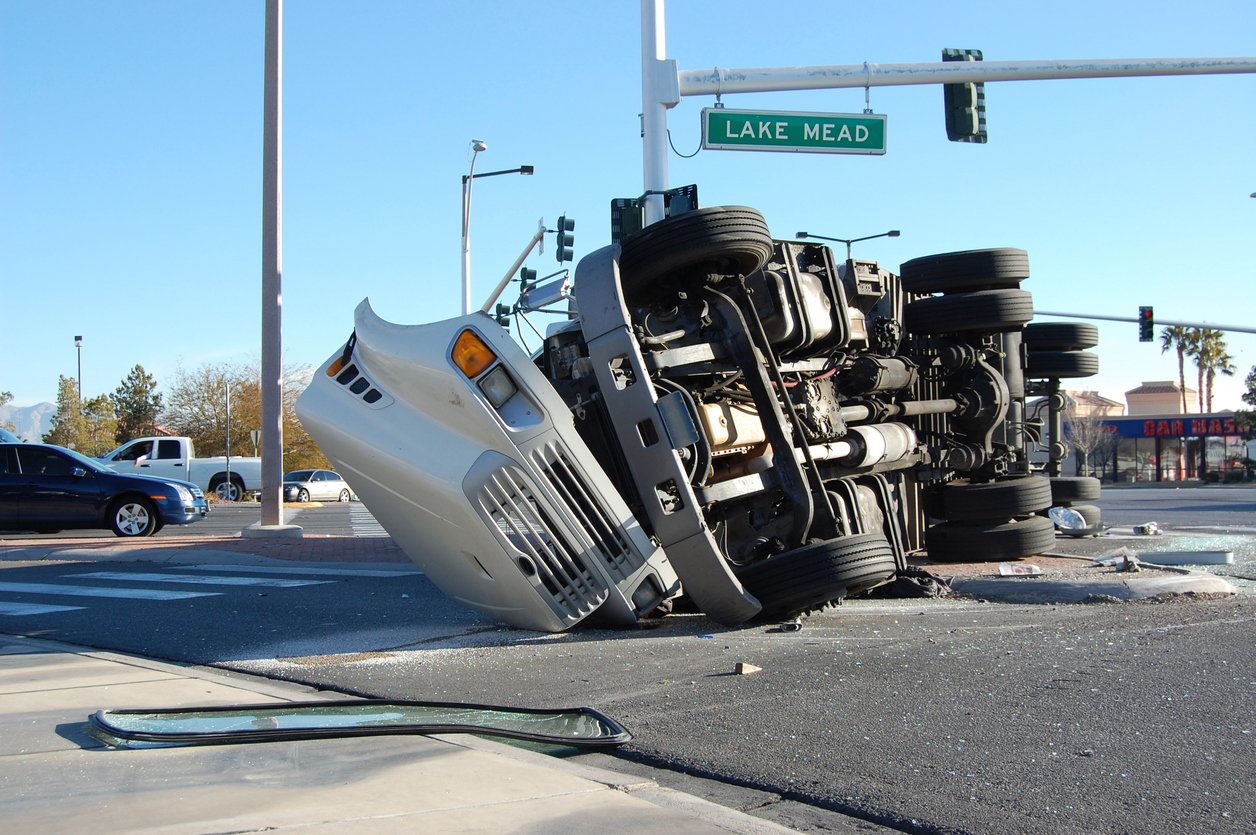
Physical damage insurance pays to repair or replace your truck after a collision, fire, theft, vandalism, or weather event, no matter who caused it.
It sits next to your primary truck liability insurance, which protects other people, not your own rig.
Physical damage coverage for trucking actually combines 2 separate protections into 1 policy line: collision and comprehensive. Where one stops and the other starts changes what you buy and what you pay.
Key takeaways
- Physical damage insurance bundles collision and comprehensive coverage into 1 line for your truck and, in most cases, your trailer.
- It is not federally required the way liability coverage is, but almost every lender or lessor requires it before financing a truck.
- Your deductible is subtracted from the claim payout directly. You do not get billed for it separately.
- Payouts are based on actual cash value at the time of loss, not what you paid when the truck was new.
- Uninsured motorist property damage (UMPD) rules and deductibles vary by state, and that difference is easy to miss until a claim exposes it.
What Physical Damage Coverage Actually Covers
Most owner-operators hear “physical damage” and assume it means 1 thing. It actually splits into 2 distinct coverages, and the split matters when you are setting limits and deductibles.
Collision Coverage: Damage From Hitting Something
Collision coverage pays for damage from hitting another vehicle, a guardrail, or a loading dock, regardless of who is at fault.
Jackknife on ice or clip a dock backing in, and collision is what responds.
Comprehensive Coverage: Damage From Everything Else
Comprehensive pays for damage with no collision involved: fire, theft, vandalism, hail, flooding, or hitting a deer.
A warehouse fire that takes out your trailer overnight falls under comprehensive, not collision.
| Damage Type | Collision | Comprehensive |
|---|---|---|
| Hitting another vehicle or a loading dock | Yes | No |
| Jackknife or rollover | Yes | No |
| Theft of the truck or trailer | No | Yes |
| Fire, vandalism, or hail | No | Yes |
| Hitting a deer or other animal | No | Yes |
A fast way to keep the 2 straight: if you would need to describe what you hit, it is collision. If nothing was moving when the damage happened, it is comprehensive.
Both terms sit in Alvix’s glossary for trucking insurance, alongside every other physical damage term worth knowing before you sign a policy.
Why Physical Damage Coverage Is Not a Warranty
A warranty covers a defect: a part that failed because it was built wrong. Insurance covers damage: an outside event that broke something that was working fine.
If your transmission fails from a manufacturing flaw, that is a warranty claim. If you back into a fuel pump and crack the housing, that is a physical damage claim.
This mix-up costs real operators a denied claim often enough that it is worth stating plainly.
Why Physical Damage Coverage Matters for Your Fleet
The Cost of Downtime After an Accident
A single collision or weather event can park a truck for weeks. For an owner-operator running 1 to 3 trucks, that is lost weekly revenue stacked directly on top of the repair bill.
What Physical Damage Insurance Is Actually Protecting
- Repair and replacement costs. Collision damage, hail, fire, and theft get expensive fast, and one major claim can exceed what most operators can cover out of pocket.
- Uptime. Coverage that pays quickly gets a truck out of the shop faster than self-funding repairs and waiting on cash flow.
- Financed and leased equipment. If a truck is not paid off, the lender or lessor is almost always named loss payee, and coverage is a loan condition, not a suggestion. See how this plays out across a mixed fleet in how fleet insurance works.
- Total-loss protection. If repairs cost more than the truck is worth, the policy pays actual cash value instead of leaving the loss on your books.
When Skipping This Coverage Actually Makes Sense
Dropping physical damage coverage on an older, paid-off truck is not automatically a mistake. If you can genuinely self-insure the truck’s value and no lender requires coverage, that is a legitimate call.
The math changes fast once a truck is financed, leased, or carries real operating capacity for your business.
How Deductibles and Total-Loss Payouts Work
How Your Deductible Reduces a Claim Payout
Your deductible is the amount you cover before the policy pays anything. A $1,000 deductible on a $15,000 repair means the policy pays $14,000.
Raising the deductible to $2,500 lowers the premium, but it also raises the cash you need on hand before a claim actually helps.
What Happens When a Truck Is a Total Loss
- The insurer calculates the truck’s actual cash value at the time of the loss, not what it cost new.
- Your deductible is subtracted directly from that settlement figure.
- You receive the remaining balance, and any lienholder gets paid first.
- You put that payout toward a replacement truck.
For a full walkthrough of what happens after you file, see how trucking insurance claims actually get processed.
Actual Cash Value vs. What You Originally Paid
Actual cash value accounts for depreciation, so a 5-year-old truck will not settle at today’s replacement cost. Reviewing physical damage limits at renewal, not only at purchase, catches this gap before a claim exposes it.
What Varies by State and Why It Matters
Physical Damage Coverage Is Not Federally Required
Physical damage insurance sits outside FMCSA’s financial responsibility minimums under 49 CFR Part 387. FMCSA’s insurance filing requirements cover liability, not the truck itself.
Whether you carry physical damage protection comes down to your lender, your lease, or your own risk tolerance.
Uninsured Motorist Property Damage Rules Differ by State
Uninsured motorist property damage, or UMPD, often carries a lower deductible than standard collision coverage, sometimes none at all.
A handful of states will not let you carry UMPD and collision at the same time and offer a collision deductible waiver instead.
Some states also will not pay a UMPD claim if the at-fault driver is never identified, which matters after a hit-and-run at a truck stop with no witnesses.
Why This Detail Actually Changes Your Policy
A physical damage policy filed correctly for a Florida-based truck is not automatically structured right for one that also runs lanes through Georgia or Texas.
Alvix Insurance Group tracks these state differences across the states we are licensed in instead of writing 1 template and swapping the state name.
Physical Damage Coverage vs. Other Trucking Coverage Types
Physical damage gets confused with a handful of other coverage lines often enough to lay them out side by side.
| Coverage Type | What It Protects | When It Applies |
|---|---|---|
| Physical Damage | Your own truck and trailer | Collision, fire, theft, weather, vandalism |
| Primary Liability | Other people’s injuries and property | You are at fault in an accident |
| Cargo Freight Insurance | The freight you are hauling | Damage or loss to cargo in transit |
| Trailer Interchange Insurance | Non-owned trailers under interchange agreements | Damage to a trailer you pull but do not own |
| General Liability | Non-vehicle business liability | Slip-and-fall, advertising, or premises claims |
A common gap: operators assume physical damage automatically covers a trailer they pull but do not own. It does not.
That gap is what trailer interchange coverage closes, and checking whether your current policy duplicates it is worth 10 minutes, since that overlap is a common place carriers overcharge without anyone noticing.
Fleets running higher-value equipment should also check where physical damage limits stop and excess liability coverage picks up.
How Alvix Builds Your Physical Damage Policy
Policy Consultation and Coverage Customization
We assess the vehicles, routes, and risks your trucks actually face, not a national average, then build deductibles and limits around your equipment, whether that is a single flatbed or a mixed fleet of reefers and box trucks.
Activation and Claims Assistance
- Coverage activates on your timeline, so a truck is never sitting exposed while paperwork moves.
- Our team works claims directly instead of leaving you to navigate an adjuster’s process alone.
- Alvix has placed trucking-specific coverage since 2014, which includes knowing exactly which documentation speeds up a physical damage payout.
See our full trucking insurance FAQ hub for questions beyond physical damage specifically.
FAQs
Get the Right Physical Damage Coverage for Your Trucks
Physical damage coverage is the difference between a bad accident being a setback and it ending your operating capacity.
Deductibles, actual cash value, and state-specific UMPD rules are not details worth guessing on, and they are not details a generalist small-business auto policy handles well once it is stretched to fit a commercial rig.
Alvix Insurance Group has priced and placed trucking-specific coverage since 2014, with 24/7 certificate of insurance access and a dedicated account manager on every account, not a call center queue.
Get a free quote or talk to our team directly about your specific trucks and routes.


