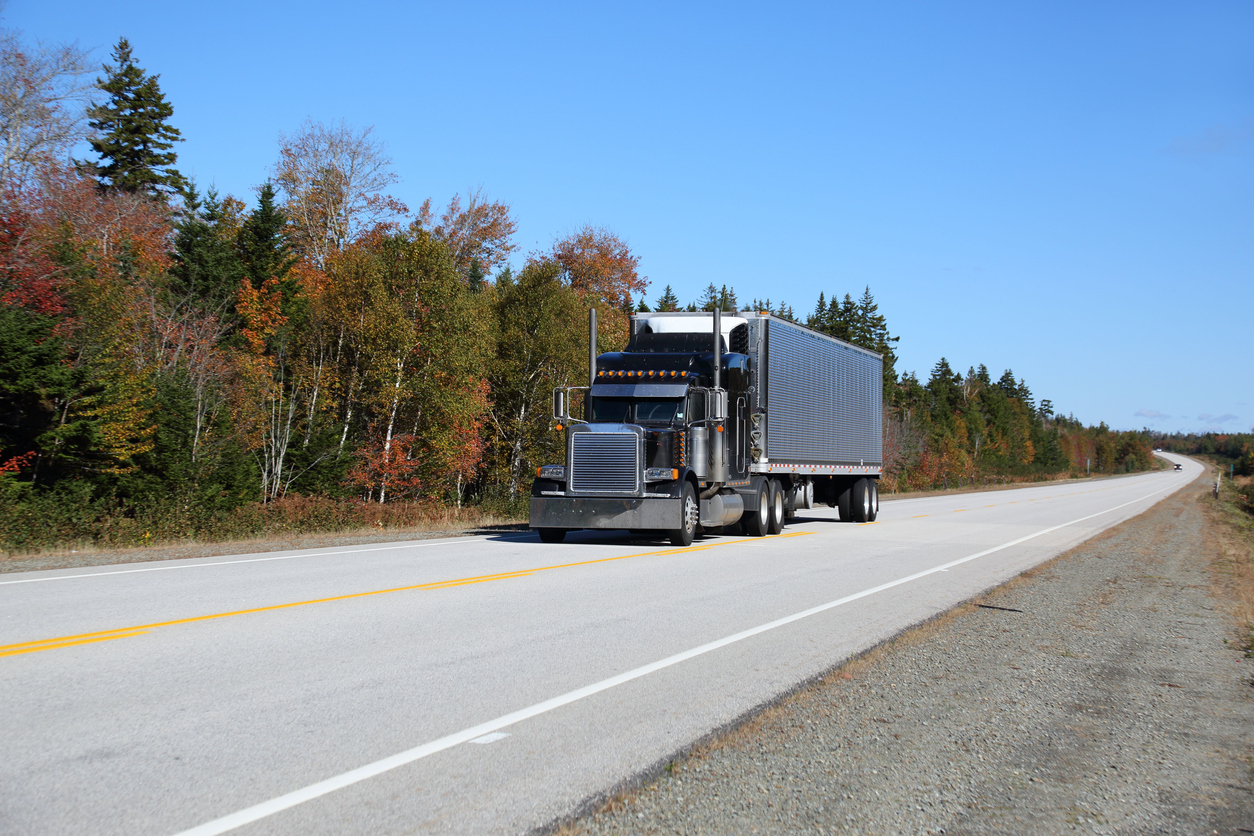
If you are a trucking business owner in Illinois, you understand the challenges and risks associated with operating commercial vehicles across state and interstate routes. At Above the Alvix Insurance Group, we provide commercial trucking insurance in Illinois designed to protect your trucks, drivers, and cargo while ensuring compliance with state and federal regulations. Whether you operate a single truck or manage a large fleet, our tailored insurance solutions help you secure your business and stay on the road with confidence.
Why Illinois Trucking Businesses Need Specialized Insurance
Standard commercial auto policies are not built for trucking. Illinois carriers face liability exposures, cargo values, and regulatory requirements that require purpose-built coverage:
- High-traffic corridors – Chicago and the I-90/I-94 corridor generate some of the highest commercial vehicle accident frequencies in the Midwest
- FMCSA compliance – Interstate carriers must maintain federal minimum liability and file proof of coverage with the FMCSA
- Cargo liability – Shippers and brokers increasingly require cargo insurance as a condition of load assignments
- Weather exposure – Illinois winters create significant physical damage risk from ice, snow, and flooding
- Regulatory penalties – Operating without proper coverage can trigger DOT violations, fines, and suspension of operating authority
Without a policy structured for trucking, a single at-fault accident involving bodily injury or cargo loss can generate claims far exceeding standard commercial auto limits.
Illinois Commercial Truck Insurance Requirements
Illinois trucking businesses must meet both state and federal liability minimums depending on their operating radius and cargo type.
Intrastate Operations (Illinois Only)
Carriers operating exclusively within Illinois must meet the following state DOT minimums:
- $300,000 minimum liability insurance
Interstate Operations (FMCSA Requirements)
Carriers crossing state lines must meet federal minimums, which vary by cargo classification:
- $750,000 – General freight (most dry van and flatbed operations)
- $1,000,000 – Oil, hazardous materials (non-bulk)
- $5,000,000 – Hazardous materials (bulk transport)
Required FMCSA Filings
Interstate carriers must file proof of insurance with the FMCSA using:
- MCS-90 endorsement – Confirms minimum public liability coverage
- BMC-91 or BMC-91X – For carriers using independent insurance vs. surety bonds
Failure to maintain active filings results in automatic revocation of operating authority.
Core Coverage Types for Illinois Trucking Operations
Primary Liability Insurance
Legally required. Covers bodily injury and property damage to third parties when your driver is at fault. Limits must meet Illinois DOT minimums for intrastate carriers or FMCSA minimums for interstate operations. This is the foundation of every trucking policy.
Physical Damage Coverage
Pays for repair or replacement of your truck following:
- Collision with another vehicle or object
- Fire, theft, or vandalism
- Weather damage (hail, flooding, ice)
Given Illinois’ severe winters and storm season, comprehensive physical damage coverage is strongly recommended for all fleet vehicles.
Motor Truck Cargo Insurance
Protects the freight you haul from theft, damage, or accidental loss during transit. Coverage limits should reflect the maximum value of a single load. Most freight brokers require proof of cargo insurance before assigning loads typically $100,000 minimum.
General Liability Insurance
Covers non-driving business risks including loading and unloading accidents, third-party property damage at delivery sites, and slip-and-fall incidents at your business location. Often required by shippers as a contract condition.
Trailer Interchange Coverage
If your operation involves pulling trailers owned by other companies common in intermodal and rail hub operations around Chicago trailer interchange coverage protects you for damage to non-owned trailers while in your possession.
Bobtail / Non-Trucking Liability
Covers owner-operators driving a tractor without a trailer or under personal (non-business) use, when the motor carrier’s policy does not apply.
Specialized Policies by Truck Type and Operation
Different vehicles and freight types carry distinct risk profiles. Illinois operators commonly require:
| Insurance Type | Key Coverage Consideration |
| Refrigerated trucks insurance in Illinois | Spoilage coverage for temperature-sensitive cargo breakdowns |
| Flatbed trucks insurance in Illinois | Cargo securement liability; oversized load permit exposure |
| Dump trucks insurance in Illinois | High payload weight increases liability severity; construction site coverage |
| Tow trucks insurance in Illinois | On-hook towing liability; garagekeepers legal liability |
| Hotshot trucks insurance in Illinois | Expedited freight; bobtail liability for non-dispatch use |
| Hazmat carriers insurance in Illinois | MCS-90 endorsement; elevated liability minimums up to $5M |
| Intermodal insurance in Illinois | Rail hub operations around Chicago require specialized endorsements |
| Box trucks insurance in Illinois | Last-mile delivery; high minor-accident frequency in urban areas |
| Dry van insurance in Illinois | FMCSA interstate minimums; higher cargo and liability limits |
| Log trucks insurance in Illinois | Shifting load liability; rural road exposure |
| Livestock carriers insurance in Illinois | Animal mortality and welfare liability endorsements |
| Owner-operators insurance in Illinois | Primary liability, physical damage, bobtail, and occupational accident package |
These specialized options allow your business to address specific risks associated with your fleet and operations, ensuring your trucks, drivers, and cargo are fully protected.
Coverage for Local, Regional, and Interstate Illinois Operations
Your operating model directly shapes your insurance requirements and premium structure:
- Local fleets (within one Illinois region): Typically need Illinois DOT minimums plus physical damage and cargo coverage. Urban operations in Chicago and Cook County carry higher accident frequency and typically cost more to insure than downstate routes.
- Regional carriers (multi-city Illinois routes): Need scalable coverage for multi-stop freight with varying cargo types. Springfield, Peoria, Joliet, and Rockford corridors involve mixed highway and surface road exposure.
- Interstate truckers (Midwest and national freight lanes): Must maintain FMCSA minimums with active MCS-90 and BMC-91 filings. Multi-state operations require policies that don’t restrict coverage by state line confirm your policy covers the full operating territory.
What Affects Your Illinois Truck Insurance Rate
Insurers price Illinois trucking policies based on several key factors:
- CDL driving history – MVR records, violations, and years of experience for all listed drivers
- Cargo classification – Hazmat, high-value, or perishable freight carries higher cargo premiums
- Truck value and age – Newer trucks with safety technology (lane assist, collision warning) often earn lower physical damage rates
- Operating radius – Interstate operations cost more than local delivery coverage
- Fleet size – Volume discounts typically apply above 5 units
- Claims history – Prior losses in the past 3–5 years are heavily weighted at renewal
- Location – Chicago and Cook County operations are rated higher than smaller Illinois cities due to traffic density and repair costs
New trucking businesses can reduce initial premiums by completing FMCSA safety programs, equipping vehicles with dashcams, and maintaining clean MVR records across all drivers.
Questions to Ask Before Buying Illinois Truck Insurance
Before committing to a policy, verify:
- Does the policy cover my full operating territory? – Confirm no state-line restrictions if you run interstate routes
- Are FMCSA filings handled by the insurer? – MCS-90 and BMC-91 filing delays can suspend operating authority
- Is there a mileage or radius restriction? – Some policies void coverage beyond a defined radius
- Does cargo coverage include the full value of my loads? – Underinsured cargo leaves the gap as your liability
- Can coverage scale as my fleet grows? – Adding trucks mid-term should be straightforward, not a policy restructure
- Is roadside assistance included for heavy-duty vehicles? – Standard roadside programs often exclude commercial trucks over 26,000 lbs GVWR
Getting the Right Policy for Your Illinois Trucking Business
Building the right Illinois commercial truck insurance policy starts with understanding your routes, vehicle types, cargo, and compliance obligations. Alvix Insurance Group specializes in customized trucking coverage for Illinois operators from single-truck owner-operators to multi-unit regional and interstate fleets.
To get an accurate quote, have the following ready:
- VIN and year/make/model for each truck
- Driver list with CDL numbers and MVR consent
- Description of cargo types and typical haul distances
- Current or prior insurance declarations page (if applicable)
- USDOT and MC numbers (for interstate carriers)
Contact Alvix Insurance Group to compare coverage options, confirm FMCSA and Illinois DOT compliance, and build a policy that protects your trucks, drivers, and business operations.


