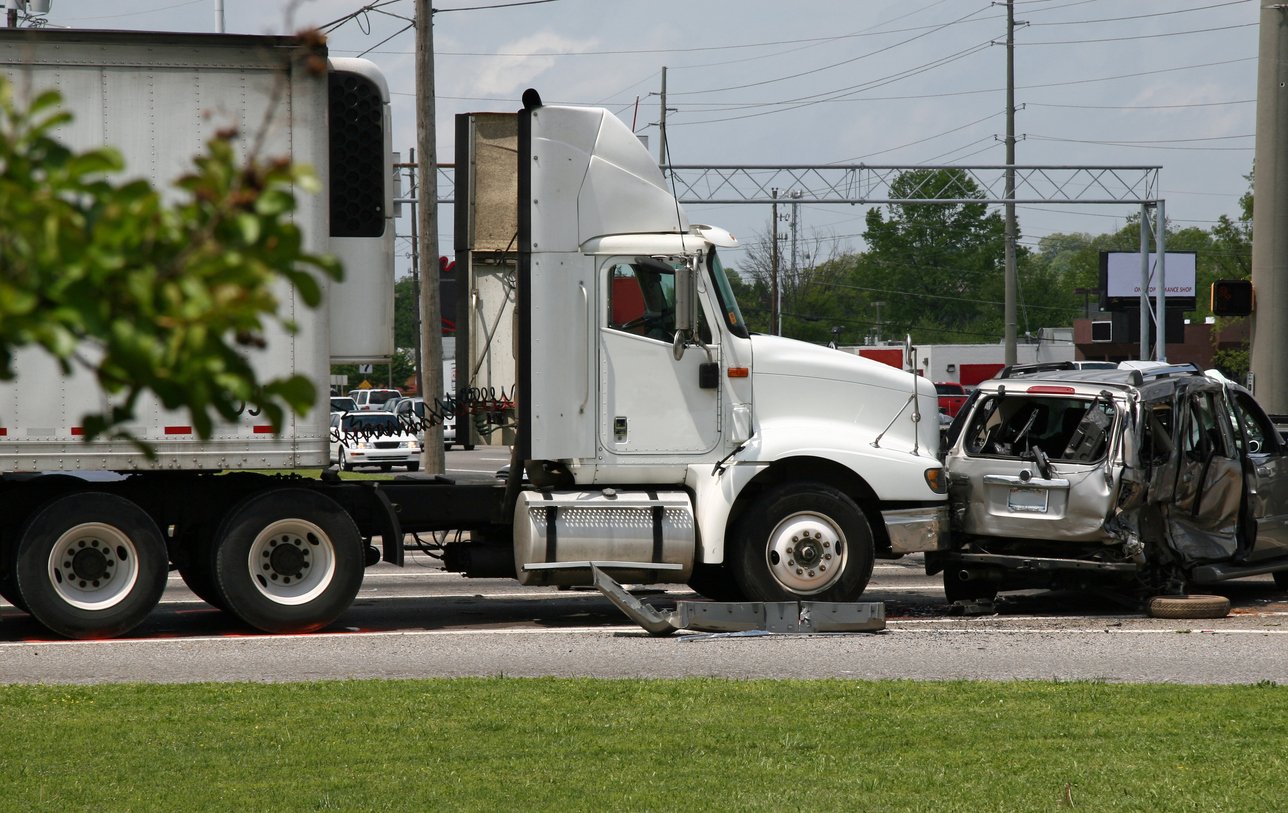
Minimizing fleet risks comes down to three things: knowing where your exposure is, training your drivers consistently, and making sure your insurance matches what your fleet actually does. Most fleet losses are preventable. The ones that are not can still be managed with the right coverage in place before they happen.
Why Does Fleet Risk Management Matter More Than Ever in 2026?
Running a commercial fleet has never been simple. But in 2026, the stakes are higher than they have ever been.
Jury verdicts in commercial trucking cases have grown significantly over the past five years. A single at-fault accident involving a commercial vehicle can result in a multi-million dollar claim. Repair costs are up. Cargo values are up. And insurance underwriters are paying closer attention to how fleets operate before they agree to write a policy.
The good news is that most fleet risks are manageable. You do not need a massive safety department or expensive consultants to reduce your exposure. You need clear processes, consistent habits, and a policy that was built around what your fleet actually does.
This guide walks through the practices that make the biggest difference, in plain language, without the filler.
What Are the Biggest Risk Factors for Commercial Fleets?
Before you can manage risk, you need to know where it comes from. For most commercial fleets, the exposure falls into five categories.
Understanding these categories helps you prioritize where to focus first. Not every fleet faces the same level of risk in each area, but all five are worth reviewing at least once a year.
- Driver behavior: Speeding, distracted driving, fatigue, and poor following distance cause the majority of commercial vehicle accidents. This is the single largest controllable risk in any fleet.
- Vehicle condition: Poorly maintained trucks break down more often and are more likely to cause accidents. Brake failures, tire blowouts, and light failures are all preventable with consistent inspection routines.
- Cargo loading and securement: Improperly loaded or secured cargo shifts in transit. Shifted loads cause rollovers, dropped debris, and rejected shipments. Each of these creates liability.
- Route and weather exposure: Carriers running mountain routes, remote corridors, or severe weather regions face higher physical damage and liability exposure than those running short urban routes.
- Compliance gaps: Lapsed filings, expired medical certificates, missed CSA violations, and incomplete logs all create regulatory exposure that shows up at renewal time as higher premiums or policy cancellation.
Once you know which of these areas represents your biggest exposure, you can start building practices that address them directly.
How Does Driver Behavior Affect Your Fleet’s Risk Profile?
Driver behavior is the leading cause of commercial vehicle accidents. It is also the area where consistent management makes the biggest difference.
The goal is not to micromanage your drivers. The goal is to create clear expectations, give drivers the tools they need to meet them, and address problems before they become claims.
Here is what works in practice:
- Pre-hire MVR screening: Pull a Motor Vehicle Record for every driver before they get behind the wheel. One DUI, multiple speeding violations, or a history of at-fault accidents are red flags that underwriters take seriously. Hiring without an MVR check can void your policy if that driver causes an accident.
- Annual MVR reviews: Driver records change. A clean hire can accumulate violations during employment. Annual MVR reviews let you catch problems before your insurer does.
- Hours of service compliance: Fatigued driving is one of the most dangerous conditions in commercial trucking. Make sure your drivers understand and follow hours of service rules. ELD data should be reviewed regularly, not just when there is a problem.
- Ongoing driver training: Most fleets train drivers at hire and then stop. That is a mistake. Short, regular safety refreshers on topics like following distance, backing maneuvers, and adverse weather driving keep safe habits active.
- Incident reporting culture: Drivers who fear punishment for reporting near-misses will stop reporting them. Near-miss reports are valuable data. Build a culture where reporting is encouraged and used to improve processes, not to punish drivers.
Driver management does not require a full HR department. It requires consistency. The fleets with the lowest insurance premiums and the fewest claims are almost always the ones where driver accountability is taken seriously from day one.
What Does a Strong Preventive Maintenance Program Look Like?
A truck that breaks down on the highway is a liability event, not just a repair bill. Tire blowouts cause accidents. Brake failures cause accidents. A trailer with a broken light gets pulled at a weigh station and costs you time, a citation, and a CSA point.
Preventive maintenance is not about spending more money on trucks. It is about spending money at the right time to avoid much larger costs later.
The table below shows the most common maintenance items, the recommended inspection frequency, and the risk they create when missed.
| Maintenance Item | Recommended Frequency | Risk When Missed |
|---|---|---|
| Pre-trip inspection | Every trip | Driver citation, accident liability, CSA violation |
| Tire pressure and tread check | Weekly | Blowout, rollover, cargo loss |
| Brake inspection | Monthly or per manufacturer spec | Brake failure, accident, out-of-service order |
| Light and signal check | Weekly | Citation, rear-end collision exposure |
| Oil and fluid levels | Per manufacturer spec | Engine failure, breakdown, downtime |
| Trailer coupling and fifth wheel | Before every load | Trailer separation, cargo loss, major accident |
| DOT annual inspection | Annually | Out-of-service order, authority suspension |
The pre-trip inspection line in this table is worth focusing on. Federal regulations require drivers to complete a pre-trip inspection before every trip. Many fleets treat this as a formality. Fleets that treat it as a genuine safety check catch problems before they become accidents or citations.
A simple digital inspection log that drivers complete on a phone or tablet makes pre-trip inspections faster, easier to track, and more useful as a record if a claim ever comes up.
How Can Telematics and Dashcams Reduce Fleet Risk?
Technology has changed what is possible in fleet risk management. Five years ago, dashcam footage was a nice-to-have. Today, it is one of the most effective tools available for both preventing accidents and defending against false claims.
Here is what the data shows: fleets that install forward-facing dashcams see measurable reductions in accident frequency. Drivers know they are being recorded. That awareness alone changes behavior on the road.
Beyond prevention, dashcam footage resolves disputed claims faster and more favorably. When a passenger vehicle cuts off a commercial truck and then files an injury claim, footage showing the actual sequence of events can be the difference between a paid claim and a dismissed one.
Telematics systems add another layer. They track:
- Speed and hard braking events
- Hours of service and driving patterns
- Route deviations and idle time
- Engine health and diagnostic alerts
This data serves two purposes. First, it gives fleet managers real information about how drivers are performing so problems can be addressed before they become accidents. Second, underwriters reward fleets that use telematics. Many carriers offer premium discounts of 10 to 20 percent for fleets with active telematics programs in place.
If you are not using dashcams and telematics yet, this is the easiest and most direct way to reduce both your accident exposure and your insurance cost at the same time.
What Cargo Management Practices Reduce Liability for Commercial Fleets?
Cargo claims are one of the most common and expensive losses in commercial trucking. A shifted load on a flatbed. A temperature excursion on a reefer trailer. A damaged pallet was discovered at delivery. Each of these creates a claim that affects your loss history and your premium.
The good news is that most cargo losses are preventable. The practices below address the most common causes.
Proper loading and weight distribution
Cargo that is not evenly distributed creates handling problems. An overloaded rear axle puts strain on tires and brakes. A top-heavy load increases rollover risk on curves. Weight distribution should be checked before every departure, not assumed.
Securement standards
Every load type has specific securement requirements under federal regulations. Flatbed operators deal with this daily. But dry van operators face securement issues too. Pallets that shift during braking can damage cargo and create claims even when the trailer never has an accident.
Train your drivers on the securement requirements for the cargo types they haul most. Post a quick reference guide in the cab. And include securement as part of the pre-trip inspection checklist.
Temperature and condition monitoring for reefer operations
If you haul temperature-sensitive freight, continuous temperature monitoring is not optional. A single temperature excursion on a pharmaceutical load can result in a six-figure claim. Modern reefer monitoring systems send alerts when temperatures deviate from the set range. They also create a documented record that protects you if a shipper claims a problem that started before your truck was involved.
Delivery documentation
Document the condition of cargo at pickup and at delivery. Photos at both ends take two minutes and provide evidence that protects you from claims about damage that occurred before or after your involvement.
How Does Regulatory Compliance Protect Your Fleet from Risk?
Compliance is not just about avoiding fines. It is about keeping your authority active and your insurance in force.
A fleet with a poor CSA score pays more for insurance. A fleet with a suspended authority cannot haul freight at all. And a fleet that loses its insurance due to a compliance failure can face consequences that take years to recover from.
The compliance areas that create the most risk for commercial fleets are:
CSA scores
The FMCSA’s Compliance, Safety, Accountability system tracks violations across seven categories. High scores in any category increase your visibility to inspectors and your cost to insurers. Roadside inspections, driver violations, and vehicle out-of-service orders all feed into your CSA score. Review your score quarterly and address any trends before they become a pattern.
Driver qualification files
Every driver must have a complete and current qualification file. This includes the application, MVR, medical certificate, road test, and annual review. Missing documents in a driver file are a compliance violation and, in the event of an accident, can increase your liability exposure significantly.
Insurance filings
Your insurance filings must stay current. A lapse in your MCS-90 endorsement, your Form E filing, or your UCR registration can suspend your operating authority. Some lapses happen without the carrier realizing it, particularly during policy transitions. Work with an agent who monitors your filings actively and alerts you before anything expires.
Drug and alcohol testing
Federal regulations require pre-employment, random, post-accident, and reasonable suspicion testing for CDL drivers. Non-compliance in this area creates significant legal exposure in the event of an accident involving a driver who should have been tested.
What Role Does Insurance Play in Fleet Risk Management?
Insurance is the last line of defense. Everything above this section is about preventing losses. Insurance is about surviving the ones you cannot prevent.
A well-structured fleet policy does not just meet the legal minimum. It matches your actual operation. The right policy for your fleet depends on what you haul, where you run, how many trucks you operate, and what your clients require.
The table below shows the core coverages most commercial fleets need and what each one does.
| Coverage Type | What It Does | Who Needs It |
|---|---|---|
| Primary Liability | Covers bodily injury and property damage to others | All carriers are required by law |
| Physical Damage | Covers the repair or replacement of your own equipment | All financed fleets and most owner-operators |
| Motor Truck Cargo | Covers the freight you are hauling | Any carrier responsible for cargo in transit |
| General Liability | Covers non-driving incidents at your facility or client sites | Fleets with terminals, yards, or customer-facing operations |
| Non-Trucking Liability | Covers drivers when operating off dispatch | Owner-operators leased to a carrier |
| Umbrella / Excess Liability | Extends your primary liability limit | Any fleet running high-value cargo or operating in high-litigation states |
| Occupational Accident | Covers driver medical costs and income loss from on-the-job injuries | Owner-operators not covered by workers’ compensation |
One thing that separates high-performing fleets from those that struggle after a major loss is the difference between a policy that was built for their operation and one that was pulled off a shelf.
Work with a broker who reviews your cargo, your routes, and your client requirements before recommending coverage. If your agent goes straight to a price without asking about those things, that is a signal to keep looking.
How Should You Handle a Fleet Accident When It Happens?
No matter how strong your risk management program is, accidents happen. How you respond in the first 24 hours after an accident has a direct impact on the outcome of the claim.
Here is a practical response process that every fleet should have documented and every driver should know:
- Secure the scene: The driver’s priority is safety. Move vehicles out of traffic if possible. Call emergency services if there are injuries.
- Do not admit fault: Drivers should not discuss fault with other parties at the scene. Liability is determined by investigation, not by roadside conversation.
- Document everything: Photos of the scene, vehicle positions, road conditions, and any damage should be taken before vehicles are moved if possible.
- Collect information: Names, contact details, license plates, and insurance information from all parties involved.
- Notify your fleet manager immediately: Do not wait until the driver returns to the terminal. Immediate notification allows your insurer and legal team to respond faster.
- File a report with your insurer: Most policies require prompt reporting. Delays in reporting can complicate or limit your coverage.
- Preserve dashcam footage: If your vehicle has a dashcam, secure the footage before it is overwritten. This may be the most important piece of evidence in a disputed claim.
Post the steps above in every truck cab. Walk through this process with every new driver during onboarding. The fleets that handle accidents best are the ones that planned for them before they happened.
Building a Safer Fleet Starts Before the Next Load
Fleet risk management is not a one-time project. It is an ongoing discipline. The fleets that pay the least for insurance and survive the largest claims are the ones that treat safety, compliance, and coverage as connected systems rather than separate responsibilities.
You do not need to fix everything at once. Start with the area of highest exposure. Add dashcams. Tighten your MVR review process. Review your coverage limits against what you actually haul. Each improvement compounds over time and shows up as lower premiums, fewer claims, and a more sustainable operation.
Why Choose Alvix Insurance Group
At Alvix Insurance Group, we have spent over a decade working exclusively with commercial trucking fleets. We are licensed in 23+ states and work with 30+ A-rated carriers. That reach matters because no two fleets are the same. A flatbed operation in Kentucky has different exposure than a reefer fleet running the I-40 corridor through Tennessee and Arkansas. A fuel tanker operation in Nevada faces different underwriting factors than a produce carrier in Southwest Florida.
We have placed coverage for fleets in all of those markets and more. Before we recommend a policy, we review your routes, your cargo, your driver records, and your loss history. We then compare options across our carrier network to find the structure that fits your actual operation, not a generic template.
If your current policy was not built around what your fleet specifically does, that is the conversation worth having before your next renewal.
Talk to an Alvix fleet specialist today. Get a free no-obligation quote.
Call us directly or request your free fleet insurance review online. It takes less than 10 minutes and could save your operation from a loss you did not see coming.


