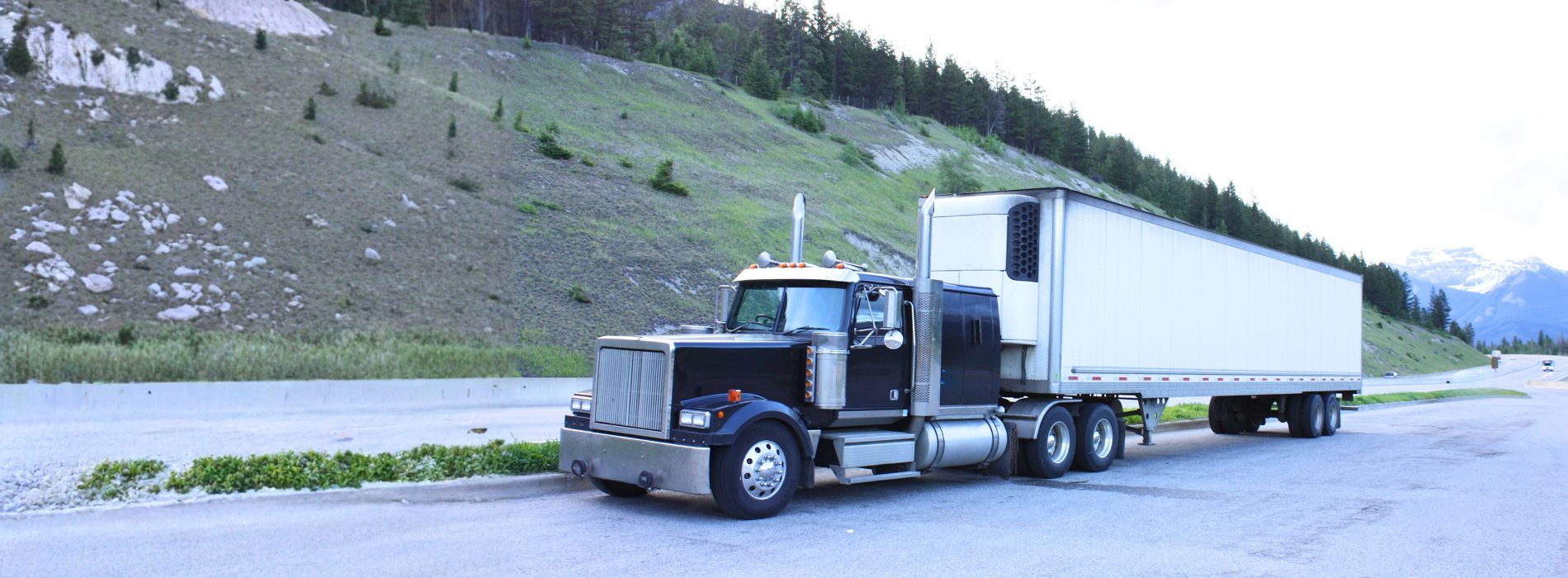
Commercial trucking insurance in Charleston, SC costs between $10,000 and $18,000 per truck annually for owner-operators running under their own authority, higher than the state average due to port-adjacent operations, I-526 corridor congestion, and coastal weather exposure. Intrastate carriers operating solely within South Carolina must file proof of liability with the SC Department of Motor Vehicles to validate their Intrastate Motor Carrier Authority. Interstate carriers crossing into Georgia, North Carolina, or any other state require a valid USDOT number, an MC number, and the federal MCS-90 endorsement attached to their liability policy.
Key Takeaways
Port Operations Demand Higher Limits: Port of Charleston drayage and container hauling sit at the top of the cost range ($13,000–$19,000) due to elevated claim frequency, tight terminal environments, and intermodal cargo exposure.
$1M CSL is the Real Minimum: South Carolina’s legal floor starts at $300,000–$750,000, but 95% require $1,000,000 in combined single limit (CSL) coverage before dispatching a load.
Interstate Triggers Federal Rules: The moment your truck crosses from SC into Georgia on I-95 or into North Carolina on I-26, FMCSA authority requirements activate, DOT number, MC number, and MCS-90 all become mandatory.
Coastal Weather Is a Real Premium Driver: Charleston’s hurricane and flood exposure makes comprehensive physical damage coverage non-negotiable; this is not standard in all commercial policies and must be explicitly confirmed.
Leased vs. Own Authority: Independent owner-operators pay $1,100–$1,800/month; operators leased under a motor carrier’s authority pay $300–$400/month for bobtail and physical damage only.
What It Actually Costs to Insure a Truck in Charleston
Before anything else, here is what the market looks like for Charleston‑area operators in 2026.
Owner‑operators under their own authority pay between $10,000 and $18,000 annually, on the higher end of Southeast market rates. Charleston’s port‑adjacent operations, dense highway corridors, and coastal weather exposure all push premiums above state averages.
Leased operators under a motor carrier’s authority pay $300‑$400 per month for bobtail and physical‑damage coverage only, their motor carrier’s master policy handles primary liability while they are under dispatch.
Cost by Operation Type
Below is a quick snapshot of annual premium ranges by operation type in the Charleston market.
| Truck / Operation Type | Annual Premium Range | Primary Risk Driver |
|---|---|---|
| Port Drayage / Container Hauling | $13,000‑$19,000 | High intermodal claim frequency, container damage |
| Dry Van / Regional Freight | $9,000‑$14,000 | I‑26 corridor congestion, rear‑end exposure |
| Flatbed / Step Deck | $11,000‑$17,000 | Shifting load liability, I‑95 high‑speed exposure |
| Reefer / Refrigerated | $10,000‑$16,000 | Spoilage claims, coastal heat and humidity |
| Dump Truck / Construction | $7,000‑$12,000 | Worksite property damage, debris liability |
| Tanker / Hazmat | $14,000‑$20,000+ | Spill liability, coastal environmental exposure |
These figures illustrate how cargo type and route exposure drive premium differences.
If you are hauling out of the Port of Charleston, expect underwriters to treat your operation as higher‑risk than inland SC carriers. Port drayage generates more claim frequency in tighter spaces, heavier loads, liquid cargo, and more vehicle interaction, and your policy needs to reflect that reality.
South Carolina Minimum Requirements: What the Law Actually Demands
South Carolina does not give carriers a pass for “not knowing.” Operating without proper filings triggers immediate out‑of‑service orders and authority suspension.
Intrastate Carriers (SC Only)
Carriers operating solely within South Carolina borders must secure South Carolina Intrastate Motor Carrier Authority through the SC Department of Motor Vehicles. Proof of liability insurance must be on the active file before the first load moves. Carriers hauling regulated freight or household goods must separately confirm cargo coverage with the state.
Interstate Carriers (Crossing State Lines)
Any carrier leaving South Carolina, heading into Georgia on I‑95, into North Carolina on I‑26 or I‑77, or any other crossing, must hold:
- A valid USDOT number (active, not expired)
- An MC number with operating authority
- The federal MCS‑90 endorsement is attached to their liability policy
The MCS‑90 is not a separate policy. It is a federal guarantee endorsed onto your existing liability policy, confirming to the FMCSA safety rating that your coverage meets minimum financial‑responsibility standards for interstate commerce.
South Carolina Liability Minimums vs. Market Standard
The table below shows the statutory minimum liability limits compared with the typical broker‑required levels.
| Cargo / Weight Class | Jurisdiction | SC / FMCSA Minimum | What Brokers Require |
|---|---|---|---|
| Freight under 10,000 lb | Intrastate (SC) | $300,000 | $1,000,000 |
| General freight 10,001–26,000 lb | Intrastate (SC) | $300,000 | $1,000,000 |
| General freight over 26,001 lb | Intrastate / Interstate | $750,000 | $1,000,000 |
| Hazmat / Tanker loads | Interstate (FMCSA) | $1,000,000 | $2,000,000+ |
Operating at the statutory minimum will restrict your ability to secure many loads and contracts. The overwhelming majority of freight brokers operating through the Port of Charleston and Southeast regional markets require $1,000,000 CSL and at least $100,000 in cargo coverage before dispatching a load.
Contact Alvix Insurance Group at (305) 909‑6444 to confirm your exact filing requirements before your next renewal.
The Three Risk Corridors Every Charleston Trucker Must Understand
Charleston’s risk exposure is geography‑driven. Underwriters do not treat all South Carolina routes the same, and neither should your coverage.
- I‑26 (Charleston to Columbia): The primary inland freight artery. Heavy commercial volume, multiple construction zones, and frequent rear‑end incidents make this corridor the highest‑frequency claim generator in the state for dry‑van and flatbed operators.
- I‑526 (Mark Clark Expressway / Port Access): The most concentrated truck‑traffic corridor in Charleston. Container trucks, drayage rigs, and port vehicles create a dense, high‑interaction environment. Rear‑end collisions, merging incidents, and cargo shifts are all elevated here.
- US‑17 / I‑95 (Coastal and Southbound): Connects Charleston to Savannah and the broader Southeast corridor. High‑speed, multi‑state exposure, any incident here triggers interstate FMCSA requirements. Coastal crosswinds and bridge approaches on US‑17 add physical damage risk for flatbeds and container loads.
Carriers regularly crossing all three corridors should strongly consider Excess Liability coverage above the $1,000,000 CSL baseline. A single multi‑vehicle incident on I‑526 near the port can exhaust a $1 M primary limit before litigation costs are factored in.
Is Your Current Coverage Enough for Charleston’s Risks?
Coverage Your Charleston Operation Actually Needs
Think of your coverage stack in three layers: what the law requires, what brokers demand, and what actually protects your business.
1. Legal Requirement
- Primary Liability: Minimum $750,000–$1,000,000 depending on freight class and jurisdiction. Required to hold operating authority in SC or federally.
- MCS‑90 Endorsement: Required for all interstate operations crossing SC borders.
2. Broker Access
- $1,000,000 CSL Primary Liability: Required by >95 % of freight brokers before load assignment.
- Motor Truck Cargo, $100,000 minimum: Required for most load‑board access and all Port of Charleston drayage contracts.
- Trailer Interchange: Required by intermodal and port contracts where you operate non‑owned trailers or container chassis.
3. Business Protection
- Physical Damage: Covers hurricane damage, flood events, theft, and collision repair. Critical in Charleston’s coastal storm environment, and required by any lender if your equipment is financed.
- Non‑Trucking Liability (Bobtail): Protects leased owner‑operators when the truck is in personal use, off dispatch.
- General Liability: Covers loading‑dock incidents, third‑party bodily injury at a client’s facility, and operational liabilities not tied to the vehicle itself.
- Excess Liability: Extends your primary limit, strongly recommended for port drayage, hazmat, and any operation with multi‑vehicle exposure on Charleston’s congested corridors.
What Moves Your Premium Up or Down
Charleston operators have more control over their rate than most realize. These are the levers that matter most, ranked by financial impact.
- Loss‑run history is the single biggest factor. A three‑year clean loss run can reduce your annual premium by 20–35 % compared to an operator with one at‑fault claim. Nothing else comes close.
- Garaging location matters in Charleston specifically. Operators garaging in zip codes adjacent to the port (29403, 29405, 29407) face higher base rates than operators in outlying areas; the dense traffic environment is priced into the territory.
- Telematics and dashcam adoption discounts 10–20 % with most A‑rated carriers. More importantly, forward‑facing dashcam footage resolves disputed liability claims, especially relevant on I‑526, where fault disputes in port‑zone collisions are common.
- Deductible selection on physical damage is a direct lever. Moving from a $1,000 to a $2,500 deductible reduces your physical‑damage premium meaningfully. Given Charleston’s hurricane exposure, maintain the cash reserve to cover it.
- Driver age and MVR history drive significant variance. Drivers under 25 add 20–40 % to your base rate. Running consistent MVR checks and removing high‑risk drivers before renewal prevents compounding rate increases.
A Charleston Claim That Explains Why Coverage Limits Matter
A port drayage operator pulls a container chassis out of the Port of Charleston terminal and merges onto I‑526 westbound during evening rush traffic. A rapid brake check ahead causes a chain reaction, the container shifts on the chassis, the rear of the rig strikes a passenger vehicle, and a second vehicle is clipped during lane avoidance.
Claim breakdown:
- Bodily injury, two vehicle occupants: $78,000
- Container cargo damage (importer claim): $65,000
- Third‑party vehicle property damage: $18,000
Total exposure: $161,000
With $1,000,000 CSL primary liability and $100,000 cargo coverage, the entire claim is absorbed. Without adequate limits or without the cargo policy, the operator faces $161,000 in personal financial exposure, loss of operating authority, and potential litigation that extends years beyond the incident.
Call to review your current limits before your next port run.

The Filing Process: How SC Authority and MCS‑90 Actually Work
For SC Intrastate Carriers: Your licensed agent submits proof of insurance directly to the South Carolina Department of Motor Vehicles to validate your Intrastate Motor Carrier Authority. A lapse in this filing suspends your authority immediately; there is no grace period.
For Interstate Carriers: Your agent files the MCS‑90 endorsement directly with the FMCSA through their online portal. You must also complete annual Unified Carrier Registration (UCR) and ensure your USDOT number remains in active status. Expiration or non‑renewal of UCR registration is one of the most common compliance violations for Charleston‑area interstate operators.
Frequently Asked Questions
Protect Your Charleston Trucking Business
Charleston is one of the most demanding operating environments in the Southeast, with dense port corridors, high‑value cargo contracts, coastal weather exposure, and multi‑state freight lanes that trigger federal requirements the moment you cross the state line.
Operating with inadequate limits, missing filings, or a cargo policy that doesn’t match your actual freight type is not just a compliance problem. It is a business‑ending financial risk that one incident can trigger.
Alvix Insurance Group works exclusively in commercial trucking. We are licensed in 23+ states, backed by A‑rated carriers, and built to handle the specific coverage demands of port‑adjacent, interstate, and regional freight operations across South Carolina.
Call us today at (305) 909‑6444 or email info@alvixinsurance.com to get a tailored quote and protect your livelihood.


