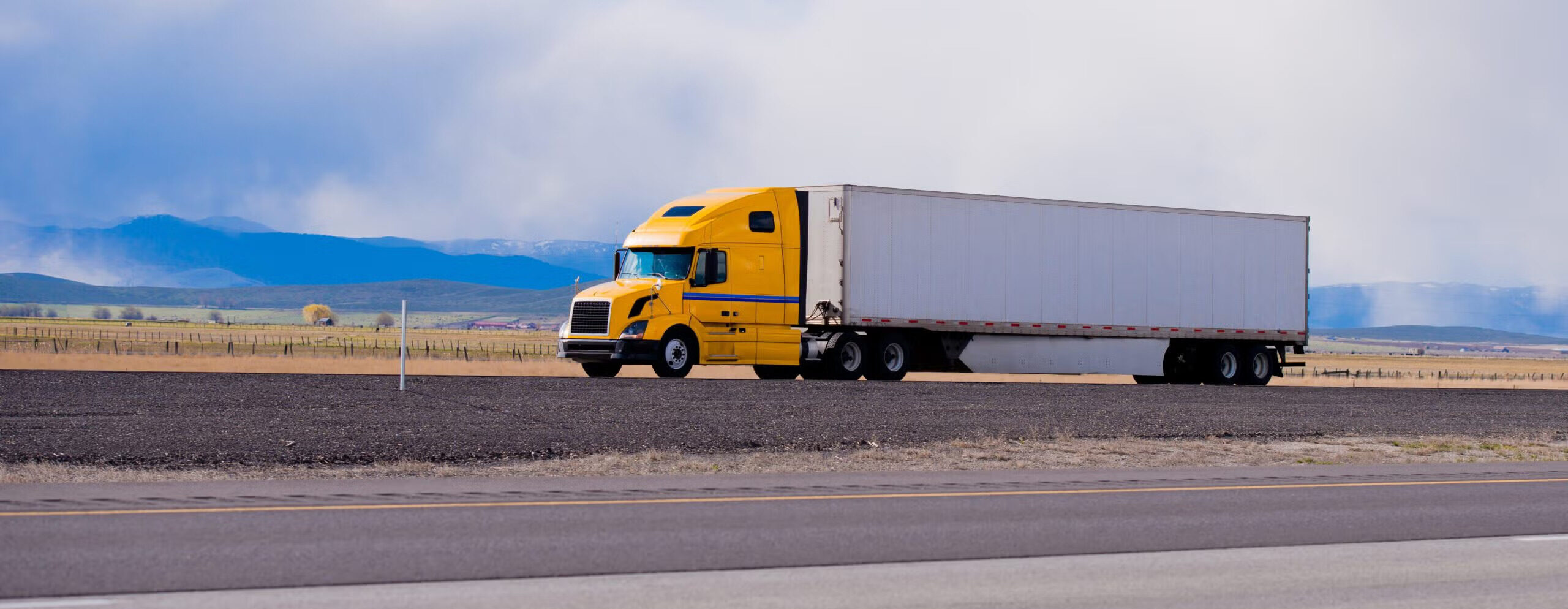
Dry van trucking insurance runs $8,000 to $18,000 a year for most owner-operators in 2026. New authorities pay $12,000-$25,000+; established carriers with clean loss runs pay closer to $8,000-$12,000. The exact number depends on your state, cargo limit, and how long you’ve held your MC authority. Alvix Insurance Group prices dry van coverage against your actual freight and route, not a flat national number.
Quick Answer: New authorities almost always pay more than established carriers for the same truck. The gap often runs $8,000-$12,000 more in year one. Most brokers also require a minimum $100,000 motor truck cargo limit before they’ll book a dry van load, and matching that limit to what you actually haul is one of the fastest ways to cut premium.
Key Takeaways
- A widely-read Reddit thread of new owner-operators shows real first-year quotes ranging from $9,000 to $55,000 for nearly identical trucks, driven mostly by credit score and insurer, not driving record.
- Six specific coverages, including trailer interchange, stated-amount physical damage, and oversized cargo limits, are the ones owner-operators overpay for most often.
- Misreporting your cargo type or radius of operation is the single most common reason a dry van claim gets denied, according to agents who work new-authority accounts daily.
- Rates typically drop 15-30% after your first clean, claim-free year, but only if you shop the renewal instead of auto-renewing.
What Dry Van Trucking Insurance Actually Covers
A dry van policy is a bundle of separate coverages. Skipping one because it “seems optional” is how owner-operators end up with a denied claim.
Coverage types every dry van policy needs:
- Primary Liability Insurance: covers bodily injury or property damage you cause in an accident. Federally required; most for-hire contracts require $750,000-$1,000,000 in limits, proven to FMCSA through a BMC-91 or BMC-91X filing.
- Physical Damage Protection Coverage: repairs or replaces your truck after a collision, fire, theft, or weather event.
- Cargo Freight Insurance Protection: covers the goods inside your dry van. Brokers typically require a $100,000 minimum.
- General Liability Insurance Coverage: covers injuries or property damage off the road, like at a shipper’s dock.
- Trailer Interchange Insurance Protection: covers a non-owned trailer while it’s in your possession under an interchange agreement. Only needed if you pull trailers you don’t own.
- Non-Trucking Liability Insurance (bobtail): covers the truck when you’re driving it for personal use, not under dispatch. See the glossary for the full definition.
- Uninsured/Underinsured Motorist Coverage: pays for your damages when the at-fault driver carries no insurance or not enough.
- Occupational Accident Insurance Coverage: covers medical costs and lost income for owner-operators who don’t carry standard workers’ compensation.
Cargo Limits That Actually Match Dry Van Freight
A $100,000 cargo limit is the broker-eligibility floor, not a number to inflate. One small-fleet insurance reviewer put it bluntly: a “$100k cargo limit when you’re pulling dry van general freight that’s never worth more than $40k a load” is wasted premium.
Match the limit to what you actually haul. Raise it if your freight regularly tops $75,000 a load. Skip the extra if it never does.
Dry Van Truck Insurance by State and City
Dry van trucking insurance needs vary based on location, operating radius, cargo type, truck value, routes, and business structure. Whether you are an owner-operator or manage a fleet, choosing the right commercial trucking insurance can help protect your business while supporting applicable state and federal insurance requirements.
Alvix Insurance Group provides commercial trucking insurance solutions for dry van operators across the United States, helping owner-operators and fleet owners evaluate coverage based on their specific operations.
Dry Van Truck Insurance in Knoxville
Dry van truck operators in Knoxville, Tennessee, should choose coverage based on their routes, equipment, cargo, and operating authority. The right policy can help protect the trucking business from financial losses caused by accidents, vehicle damage, cargo-related claims, and other covered risks.
- Primary liability insurance for third-party injuries and property damage
- Physical damage coverage for the insured truck
- Motor truck cargo coverage for transported freight
Dry Van Trucking Insurance in Arkansas
Dry van trucking companies in Arkansas may have different insurance needs depending on their operating radius, cargo, equipment, and whether they operate intrastate or interstate. Proper coverage can help carriers manage financial risks associated with commercial freight transportation.
- Commercial trucking liability coverage
- Motor truck cargo insurance
- Physical damage protection for trucks and trailers
Dry Van Trucking Insurance in Oklahoma
Oklahoma dry van carriers should evaluate their insurance based on their freight, routes, vehicles, and business structure. Having appropriate coverage can help protect the carrier against common transportation-related losses and liability claims.
- Primary trucking liability insurance
- Cargo coverage for transported goods
- Comprehensive and collision physical damage coverage
Dry Van Trucking Insurance in Greenville
Dry van operators in Greenville should consider commercial trucking insurance that matches their operating radius, cargo, equipment, and transportation activities. The right coverage can help reduce financial exposure when accidents, cargo losses, or vehicle damage occur.
- Primary liability coverage
- Motor truck cargo insurance
- Physical damage coverage
Dry Van Trucking Insurance in Athens
Dry van trucking businesses in Athens should review their insurance needs according to their vehicles, cargo, routes, and operating authority. A properly structured policy can help protect both the trucking business and its commercial equipment.
- Primary liability insurance
- Motor truck cargo coverage
- Physical damage protection
Dry Van Trucking Insurance in Tulsa
Tulsa dry van carriers may operate across local, regional, and interstate routes, making appropriate commercial trucking insurance important. The right policy can help protect the carrier from liability claims, truck damage, and covered cargo losses.
- Trucking liability coverage
- Motor truck cargo insurance
- Physical damage coverage for commercial vehicles
Dry Van Trucking Insurance in Johnson City
Dry van trucking companies in Johnson City should select coverage based on their operating radius, cargo, equipment, and business structure. Appropriate insurance can help protect carriers from financial risks associated with daily freight transportation.
- Primary liability coverage
- Cargo insurance
- Comprehensive and collision coverage
Dry Van Trucking Insurance in Louisiana
Louisiana dry van carriers should evaluate coverage according to their freight, routes, operating authority, and commercial transportation activities. The right insurance program can help protect the business against covered trucking accidents and cargo-related risks.
- Commercial trucking liability
- Motor truck cargo insurance
- Physical damage coverage
Dry Van Trucking Insurance in North Carolina
North Carolina dry van operators need insurance that addresses the risks associated with transporting freight locally and across state lines. Proper coverage can help protect the truck, cargo, and business from unexpected financial losses.
- Primary liability coverage
- Motor truck cargo insurance
- Physical damage protection
Dry Van Truck Insurance in Texas
Texas dry van truck operators often travel long regional and interstate routes, making suitable commercial trucking insurance especially important. The right coverage can help protect carriers against liability claims, vehicle damage, and covered freight losses.
- Primary liability insurance
- Motor truck cargo coverage
- Comprehensive and collision protection
Dry Van Trucking Insurance in Indiana
Indiana dry van carriers should evaluate their insurance requirements based on cargo, routes, equipment, and operating authority. A suitable commercial trucking policy can help protect the carrier throughout its freight operations.
- Commercial trucking liability
- Cargo insurance
- Physical damage coverage
Dry Van Trucking Insurance in Georgia
Georgia dry van trucking companies should consider coverage that protects their trucks, freight, and business operations. Proper insurance can help reduce financial exposure from accidents, cargo claims, and other covered trucking risks.
- Primary liability coverage
- Motor truck cargo insurance
- Physical damage protection
Dry Van Trucking Insurance in Sarasota
Dry van operators in Sarasota, Florida, can choose commercial trucking insurance based on their operating radius, cargo, truck type, and business needs. The right policy can provide protection for both the vehicle and the trucking operation.
- Trucking liability coverage
- Cargo protection
- Comprehensive and collision coverage
Dry Van Truck Insurance in Cincinnati
Cincinnati dry van operators should evaluate insurance based on their routes, equipment, cargo, and commercial trucking activities. Appropriate coverage can help protect the business from financial losses associated with covered accidents and transportation risks.
- Primary liability insurance
- Motor truck cargo coverage
- Physical damage insurance
Dry Van Trucking Insurance in Canton
Dry van trucking companies in Canton should select coverage based on their operating structure, cargo, equipment, and transportation risks. A customized insurance program can help address the specific exposures faced by owner-operators and fleets.
- Commercial auto liability
- Cargo insurance
- Truck and trailer physical damage coverage
Dry Van Trucking Insurance in Tennessee
Tennessee dry van carriers should review their insurance needs based on their operating authority, routes, vehicles, and cargo. The right commercial trucking coverage can help protect the business while transporting freight within Tennessee and across state lines.
- Primary liability coverage
- Motor truck cargo insurance
- Physical damage protection
Dry Van Trucking Insurance in Illinois
Illinois dry van carriers often operate on busy regional and interstate freight routes, making comprehensive commercial trucking insurance important. Proper coverage can help protect carriers against liability claims, vehicle losses, and cargo-related risks.
- Primary trucking liability
- Cargo insurance
- Physical damage coverage
Dry Van Trucking Insurance in Chattanooga
Chattanooga dry van operators should consider insurance that reflects their local, regional, and interstate transportation activities. Appropriate coverage can help protect the trucking business from unexpected losses during freight operations.
- Liability protection
- Cargo coverage
- Physical damage insurance
Dry Van Trucking Insurance in Alabama
Alabama dry van trucking businesses should maintain coverage that aligns with their commercial transportation operations. A suitable policy can help protect carriers against accidents, cargo claims, vehicle damage, and other covered risks.
- Primary liability insurance
- Motor truck cargo coverage
- Physical damage protection
Dry Van Trucking Insurance in Missouri
Missouri dry van carriers should evaluate insurance based on their operating radius, freight, vehicles, and authority. The right coverage can help protect owner-operators and fleets from financial risks associated with commercial trucking.
- Commercial trucking liability
- Cargo insurance
- Comprehensive and collision coverage
Dry Van Trucking Insurance in Laredo
Laredo is an important freight and transportation hub, so dry van carriers operating in the area should consider coverage that reflects their local, regional, and interstate routes. Proper insurance can help protect carriers against liability, cargo, and vehicle-related losses.
- Primary liability coverage
- Motor truck cargo insurance
- Physical damage protection
Dry Van Trucking Insurance in Colorado
Colorado dry van trucking companies should choose insurance based on their routes, cargo, vehicles, and commercial transportation risks. Appropriate coverage can help protect the carrier from financial losses resulting from covered trucking incidents.
- Trucking liability coverage
- Cargo insurance
- Physical damage coverage
Dry Van Trucking Insurance in Austin
Austin dry van operators should evaluate commercial trucking insurance based on their vehicles, freight, routes, and operating authority. The right policy can help protect the business while supporting its local and interstate freight operations.
- Primary liability insurance
- Motor truck cargo coverage
- Physical damage protection
Dry Van Trucking Insurance in Ohio
Ohio dry van carriers should review their insurance needs according to their freight operations, routes, equipment, and applicable requirements. Proper coverage can help protect both the trucking business and its commercial vehicles.
- Commercial trucking liability
- Cargo protection
- Physical damage insurance
Dry Van Trucking Insurance in Lexington
Lexington, Kentucky, dry van operators should consider coverage designed around their transportation risks and business structure. A properly selected policy can help protect the carrier against common liability, cargo, and vehicle-related risks.
- Primary liability coverage
- Motor truck cargo insurance
- Comprehensive and collision protection
Dry Van Trucking Insurance in Kansas
Kansas dry van operators should evaluate their insurance based on their operating radius, cargo, vehicles, and transportation activities. Appropriate coverage can help protect the trucking company from covered losses during freight operations.
- Trucking liability coverage
- Cargo insurance
- Physical damage protection
Dry Van Trucking Insurance in New Mexico
New Mexico dry van trucking companies should consider commercial insurance appropriate for their freight operations and routes. Proper coverage can help protect carriers from liability claims, vehicle damage, and covered cargo losses.
- Primary liability insurance
- Motor truck cargo coverage
- Physical damage protection
Dry Van Trucking Insurance in South Carolina
South Carolina dry van carriers can benefit from insurance designed around their specific vehicles, cargo, routes, and business operations. The right coverage can help reduce financial exposure from transportation-related accidents and claims.
- Commercial trucking liability
- Cargo insurance
- Physical damage coverage
Dry Van Trucking Insurance in Pennsylvania
Pennsylvania dry van trucking companies should evaluate their coverage based on operating authority, freight, routes, and equipment. A properly structured policy can help protect both owner-operators and fleet businesses from covered trucking risks.
- Primary liability coverage
- Motor truck cargo insurance
- Physical damage protection
Dry Van Trucking Insurance in Bowling Green
Dry van operators in Bowling Green should consider commercial trucking insurance that matches their operating radius, truck type, cargo, and business needs. Appropriate coverage can help protect the carrier from unexpected financial losses related to trucking operations.
- Trucking liability coverage
- Cargo protection
- Physical damage insurance
Dry Van Trucking Insurance in New Jersey
New Jersey dry van carriers should maintain commercial insurance appropriate for their transportation operations and risk profile. The right coverage can help protect the business from liability claims, cargo losses, and covered vehicle damage.
- Primary trucking liability
- Motor truck cargo coverage
- Physical damage protection
Dry Van Trucking Insurance in Kentucky
Kentucky dry van operators should select coverage based on their commercial vehicles, cargo, routes, and operating authority. A suitable insurance policy can help protect the carrier throughout its day-to-day freight operations.
- Commercial trucking liability
- Cargo insurance
- Comprehensive and collision coverage
Dry Van Truck Insurance in Richmond
Richmond dry van trucking companies should evaluate their insurance needs according to their routes, cargo, vehicles, and operating structure. Proper coverage can help protect the business against financial risks associated with commercial transportation.
- Primary liability insurance
- Motor truck cargo coverage
- Physical damage protection
Dry Van Trucking Insurance in El Paso
El Paso dry van carriers may handle local, regional, and interstate freight, making appropriate commercial trucking insurance important. The right policy can help protect carriers against liability claims, vehicle damage, cargo losses, and other covered risks.
- Primary trucking liability
- Cargo insurance
- Physical damage coverage
Dry Van Trucking Insurance in Jackson
Jackson dry van operators should choose commercial trucking insurance based on their truck type, cargo, routes, operating authority, and business structure. Proper coverage can help protect the carrier from financial losses associated with covered accidents and transportation risks.
- Liability coverage
- Motor truck cargo insurance
- Physical damage protection
Dry Van Trucking Insurance in Denver
Denver dry van operators should consider coverage that supports local, regional, and interstate freight operations. The right insurance can help protect trucking businesses from financial losses related to accidents, cargo damage, vehicle damage, and other covered transportation risks.
- Primary liability insurance
- Motor truck cargo coverage
- Physical damage protection
Dry Van Trucking Insurance in Owensboro
Owensboro dry van trucking businesses should choose insurance based on their freight, vehicles, operating radius, and transportation needs. Appropriate coverage can help protect owner-operators and fleet businesses against unexpected losses while supporting their day-to-day commercial trucking operations.
- Commercial trucking liability
- Motor truck cargo insurance
- Comprehensive and collision coverage
What Coverage Should Dry Van Truck Operators Consider?
Regardless of location, dry van trucking businesses should evaluate coverage based on their specific operations, cargo, vehicles, and routes. Common coverage options include:
- Primary Liability: Helps cover third-party bodily injury and property damage claims resulting from covered trucking accidents.
- Motor Truck Cargo: Helps protect the freight being transported by the trucking company.
- Physical Damage: Helps protect the insured truck against covered collision, theft, and other physical losses.
- Trailer Coverage: Can provide protection for owned or covered trailers used in trucking operations.
- General Liability: Can provide additional protection for certain business activities outside the operation of the truck.
- Uninsured/Underinsured Motorist: May provide protection when an at-fault driver does not have sufficient insurance.
- State and Federal Compliance: Required insurance limits can depend on the carrier’s operation, authority, cargo, and applicable regulations.
How Much Does Dry Van Trucking Insurance Cost in 2026
| Operator Profile | Typical Annual Cost | Why |
|---|---|---|
| New authority (year 1) | $12,000 – $25,000+ | No loss-run history; insurers price the unknown risk, not your driving record |
| Established, 1-2 years clean | $9,000 – $16,000 | Some history built; still building trust with underwriters |
| Established, 3+ years clean | $8,000 – $12,000 | Full loss-run history; rates typically drop 15-30% from year-one pricing |
| Small fleet (2-5 trucks) | $7,500 – $14,000 per truck | Per-truck cost often drops slightly with fleet scale and shared safety programs |
The New-Authority Reality Reddit Won’t Sugarcoat
A new Tennessee owner-operator with a clean CDL since 2018 got quoted $7,000 down and $3,300 a month on r/Truckers. That’s north of $40,000 for the first year, despite a 700 credit score and no accidents.
Replies in that thread ranged from $9,000 total to $55,000 quoted by Progressive, for drivers with decades of clean experience.
Credit score and insurer choice move the number more than years of safe driving do. Alvix’s new-authority guide covers what actually drives that first-year number.
Dry Van Insurance Costs by State and City
These are the real 2026 ranges for the markets searched most often for dry van coverage. See dedicated local page for full state or city detail.
Find your market, then click through for the full breakdown.
| State / Market | Typical Annual Range | Local Page |
|---|---|---|
| Texas | $8,000 – $18,000 (established); $12,000-$30,000+ new authority | Full Texas cost guide |
| Ohio | $6,500 – $9,500 (established); $12,000-$25,000+ new authority | Ohio coverage guide |
| Indiana | $10,000 – $14,500 | Indiana coverage guide |
| Kansas | $10,000 – $13,000 | Kansas coverage guide |
| Illinois | $9,000 – $19,000 | Illinois coverage guide |
| Oklahoma | $9,000 – $18,000 | Oklahoma coverage guide |
| Cincinnati, OH | $8,500 – $17,000 | Cincinnati local guide |
| Covington, KY | $8,500 – $16,500 | Covington local guide |
| Owensboro, KY | $8,000 – $16,000 | Owensboro local guide (verified) |
| Louisville, KY | $8,500 – $17,000 | Louisville local guide |
| Denver, CO | $9,500 – $19,000 | Denver local guide |
| Spartanburg, SC | $8,000 – $16,000 | Spartanburg local guide |
| Edmond, OK | $9,000 – $18,000 | Edmond local guide |
| Richmond, KY | $8,000 – $16,500 | Richmond local guide |
Garaging ZIP, operating radius, and cargo type move these ranges more than any other factor.
A Chicago-metro operator and a rural downstate Illinois operator can see a $4,000+ spread on the same truck. Location genuinely changes your quote.
Six Coverages Dry Van Owner-Operators Overpay For
A line-by-line policy review, shared in a small-business insurance forum, found the same six overpayments on policy after policy. Check your renewal against this list first.
- Stated amount above actual cash value: If your truck is worth $45,000 and you’re insured for $80,000 “stated amount,” the insurer still pays the lower of the two at claim time. The extra coverage buys nothing.
- Non-trucking liability when you’re 100% leased on: If your motor carrier’s policy already covers bobtail use, you’re paying twice for the same protection, often $300-$600 a year wasted.
- Cargo coverage above what you actually haul: A $100,000 limit on freight that never exceeds $40,000 a load is pure wasted premium (see the cargo limits section above).
- Trailer interchange coverage when you own your trailer: This coverage protects non-owned trailers only. If you pull your own, drop it.
- A deductible that hasn’t moved since your first policy: Raising physical damage deductible from $1,000 to $2,500 commonly saves $400-$900 a year for operators with cash reserves to cover the difference.
- A radius of operation that doesn’t match your actual routes: Filing for a 500-mile radius while running 250 means paying long-haul rates for regional work. Ask your agent to re-rate it.
How to Lower Your Dry Van Insurance Premium
1. Shop Your Policy Every Renewal, Not Just the First Year
- Loyalty discounts are rare in commercial trucking.
- Rate hikes with zero claims are common; one documented case saw a 118% increase after six claim-free years.
- Shopping annually, even with an agent you like, is what separates market-rate operators from legacy-rate operators.
2. Raise Your Deductible If You Have the Reserves
- A higher physical damage deductible is close to free money on your premium, if a $1,500 surprise repair bill wouldn’t threaten your operation.
- Keep the deductible where it is if it would. This only works with real cash reserves behind it.
Common Mistakes That Get Dry Van Claims Denied
Agents who work new-authority accounts see the same two mistakes repeatedly, and both are preventable before a claim happens.
- Misreporting cargo type. Many owner-operators list “general freight” on their application even when they mostly haul something more specific, like electronics. A mismatch between what’s filed and what you actually hauled is the fastest way to see a claim denied.
- Radius and lane mismatches. A policy rated for regional work that’s actually running coast-to-coast irregular routes creates the same exposure. Insurers treat local, regional, and OTR irregular-route operations as different risk categories, not variations of the same number.
FAQs
Get Dry Van Truck Insurance for Your Location
Whether you need dry van truck insurance in Knoxville, Arkansas, Oklahoma, Tulsa, Texas, Tennessee, Georgia, Florida, Illinois, Alabama, Missouri, Colorado, Ohio, Kentucky, Kansas, New Jersey, Pennsylvania, or another U.S. location, your insurance needs depend on your specific trucking operation.
Alvix Insurance Group helps dry van owner-operators and fleet owners evaluate commercial trucking insurance options based on their location, equipment, cargo, routes, and operating requirements.


