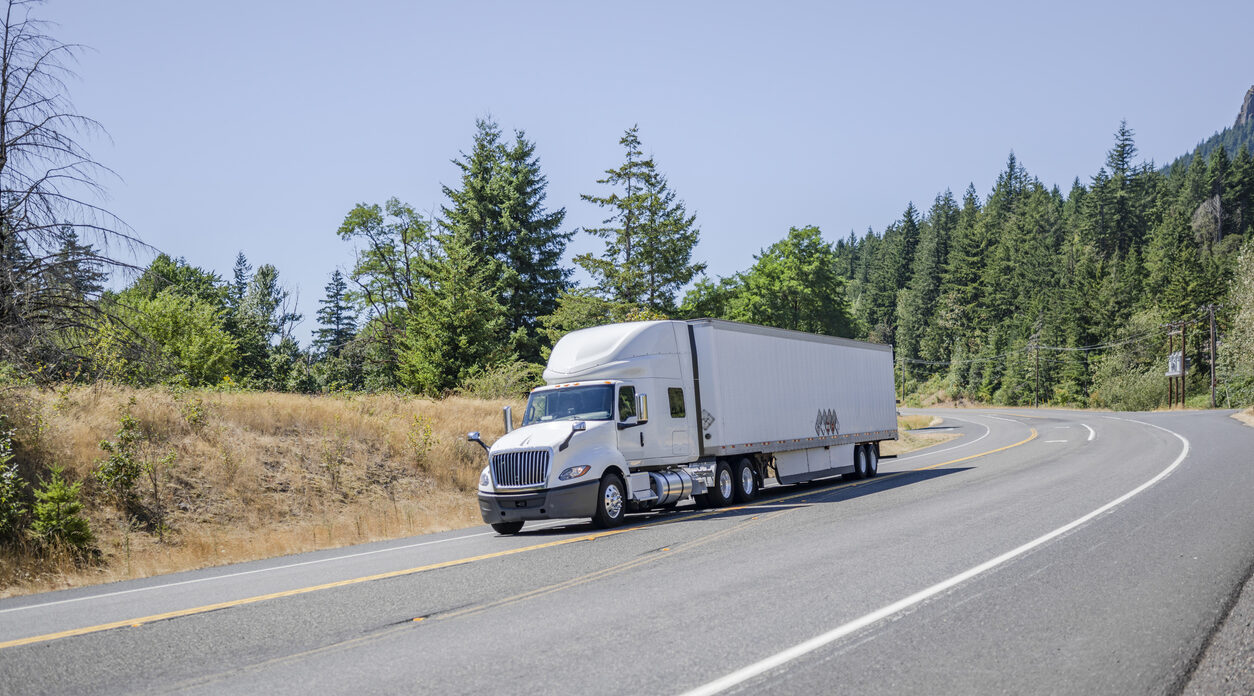
Quick Answer: Commercial trucking insurance in Nevada costs $11,000 to $25,000+ per truck per year for 2026, with new authorities and Las Vegas-garaged fleets at the higher end. Interstate carriers need at least $750,000 in primary liability coverage; intrastate carriers follow the state’s 25/50/20 minimum.
Key Takeaways
- Nevada commercial truck insurance runs $11,000 to $25,000+ per truck per year, driven by litigation rates, uninsured drivers, and claim severity.
- Interstate carriers need $750,000 in liability under FMCSA rules, but most brokers won’t tender a load below $1,000,000.
- Intrastate carriers follow Nevada’s 25/50/20 minimum, filed through the DMV Motor Carrier Division, not the Nevada Transportation Authority.
- Las Vegas-garaged trucks price higher than Reno and Sparks trucks because of attorney-involvement rates on the I-15 corridor.
- Reefer breakdown coverage and hotshot liability tiers are separate line items most cheap policies quietly exclude or cap.
Securing commercial trucking insurance in Nevada means pricing 2 risk profiles at once. You’re covering federal freight rules and a state claims environment that runs above the national average.
Your garaging ZIP and cargo type move your premium as much as your driving record. That holds whether you run general freight through Clark County or reefer loads down I-80.
Commercial Trucking Insurance In Nevada For Trucking Businesses
Businesses searching for Commercial Trucking Insurance in Nevada need coverage that matches their trucks, cargo, operating radius, and business operations. Nevada carriers may transport construction materials, machinery, industrial equipment, general freight, and other commercial loads throughout the state and across interstate routes.
Alvix Insurance Group helps owner-operators and fleet businesses compare customized commercial trucking insurance based on their equipment, cargo, drivers, and coverage requirements.
Coverage options may include:
- Primary Auto Liability
- Motor Truck Cargo
- Physical Damage
- General Liability
- Trailer Coverage
- Fleet Insurance
Whether you operate locally or across state lines, the right policy can help protect your trucks, cargo, drivers, and business from covered losses.
Nevada Commercial Truck Insurance Requirements
Nevada splits its rules the same way most states do. Intrastate carriers answer to the state; interstate carriers answer to federal law. Confusing the 2 is a fast way to stall a new authority.
1. Intrastate Requirements: The 25/50/20 Rule
If your trucks never leave Nevada, you follow the state’s own liability floor, sometimes called the 25/50/20 rule:
- $25,000 for bodily injury or death of 1 person per accident
- $50,000 for bodily injury or death of 2 or more people per accident
- $20,000 for property damage per accident
These numbers come from Nevada Revised Statutes Chapter 706. General freight carriers file proof of insurance through the Nevada DMV Motor Carrier Division, not the Nevada Transportation Authority.
The NTA’s own Form E process applies to a narrower group: tow companies, household goods movers, and passenger carriers.
The 25/50/20 floor is a legal minimum, not a workable one. A single serious injury claim in Clark County can exceed $50,000 in medical costs alone.
2. Interstate Requirements: FMCSA Minimums by Cargo Type
Once a truck crosses into California, Arizona, Utah, or Idaho, federal financial-responsibility rules take over:
| Cargo Type | Federal Minimum Liability |
|---|---|
| General freight, over 10,001 lbs | $750,000 |
| General freight, under 10,001 lbs | $300,000 |
| Oil or hazardous waste | $1,000,000 |
| Hazmat (explosives, poison gas) | $5,000,000 |
$750,000 is the legal floor, not the practical one. Most freight brokers won’t dispatch a load below a $1,000,000 combined single limit (CSL).
CSL is the industry term for 1 liability number covering both bodily injury and property damage, instead of splitting them.
Interstate carriers also need an MCS-90 endorsement attached to the policy. It’s a guarantee to the public that a judgment gets paid, not extra coverage for you.
Nevada mixes 3 different filing systems, and mixing them up is the fastest way to stall an authority:
| Filing or Term | What It Actually Does | Who Files It |
|---|---|---|
| 25/50/20 minimum | Nevada’s own intrastate liability floor | Filed by you, tracked by DMV MCD |
| Combined single limit (CSL) | 1 liability number, not split by injury/property | Set by your policy, checked by brokers |
| MCS-90 endorsement | Guarantees judgments get paid to the public | Filed by your insurer with FMCSA |
| Form E | Insurance proof for tow, moving, and passenger carriers only | Filed by your insurer with the NTA |
3. A Regulatory Change Worth Watching
Nevada lawmakers introduced Senate Bill 180 in 2025. It proposed raising the intrastate minimum for carriers over 26,001 lbs to $1,500,000 by 2030.
The bill passed the Senate but was pulled from the Assembly before a hearing, so it never became law. It still signals where state thinking is headed.
Why Nevada Commercial Trucking Insurance Costs More Than the National Average
Nevada isn’t expensive by accident. Underwriters price 3 factors here that show up less severely almost everywhere else.
| Nevada Cost Driver | What It Means for Your Premium |
|---|---|
| Attorney involvement | ~80% of Las Vegas-area claims involve an attorney vs. ~25% nationally, turning fender-benders into injury negotiations |
| Uninsured/underinsured drivers | A meaningful share of Nevada vehicles carry no real coverage, raising underinsured-motorist exposure |
| Claim fraud concentration | Staged and exaggerated claims are common enough in Clark County that carriers price fraud as its own line item |
A recent study put Nevada’s average full-coverage auto premium at $335 a month, a 61% gap over the $208 national average. The same mechanics drive your trucking premium, and 1 of them surprises most operators.
Nevada allows a claimant to recover through more than 1 coverage source on the same accident. This most often happens when uninsured motorist coverage stacks on top of a standard liability payout.
That layered claims structure, not just lawsuit volume, is why loss costs run above simpler-recovery states.
Documentation habits matter more here than in a lower-litigation state. An undocumented claim is easier for an opposing attorney to reshape once Clark County’s claims environment gets involved.
We tell every Nevada client to, at the scene:
- File an official accident report, even for a minor tap
- Pull independent witness contact information before anyone leaves
- Photograph both vehicles and the road position immediately
Trucking Insurance in Nevada
Trucking Insurance in Nevada can be customized for different types of commercial carriers, from independent owner-operators to large trucking fleets. Your insurance needs can vary based on the truck you operate, the freight you haul, your operating radius, and whether you transport goods under intrastate or interstate authority.
Common trucking operations include:
- General freight hauling
- Flatbed operations
- Refrigerated transportation
- Heavy equipment hauling
- Auto transportation
- Hotshot trucking
- Amazon Relay operations
Choosing coverage based on your actual operation can help reduce coverage gaps and support applicable state, federal, broker, and shipper requirements.
Commercial Truck Insurance by Vehicle Type in Nevada
Different trucks create different operational and liability exposures. Nevada trucking businesses should select coverage based on the equipment they operate and the type of freight they transport.
Lowboy Trucking Insurance in Nevada
Businesses transporting excavators, loaders, construction machinery, and other heavy equipment can benefit from Lowboy Trucking Insurance in Nevada. Lowboy operations involve specialized trailers and high-value loads, making appropriate liability, physical damage, and cargo protection important.
Coverage may include:
- Primary Liability
- Motor Truck Cargo
- Physical Damage
- Trailer Coverage
Reefer Trucking Insurance in Nevada
Businesses transporting refrigerated or temperature-sensitive products need Reefer Trucking Insurance in Nevada designed around their equipment and cargo. Refrigerated carriers may face additional risks involving refrigeration equipment, cargo spoilage, and temperature-sensitive freight.
Coverage may include:
- Primary Auto Liability
- Motor Truck Cargo
- Refrigeration Equipment Coverage
- Physical Damage
Flatbed Trucking Insurance in Nevada
Flatbed Trucking Insurance in Nevada can help protect carriers hauling steel, lumber, construction materials, machinery, and other exposed or oversized freight. Coverage should reflect the type and value of cargo, trailer, routes, and loading operations.
Coverage may include:
- Liability Coverage
- Cargo Insurance
- Physical Damage
- Trailer Coverage
Car Hauler Trucking Insurance in Nevada
Businesses transporting automobiles for dealerships, auctions, individuals, and vehicle logistics companies can benefit from Car Hauler Trucking Insurance in Nevada. Because transported vehicles can represent significant cargo values, carriers should review cargo limits and policy conditions carefully.
Coverage may include:
- Primary Liability
- Auto Cargo Coverage
- Physical Damage
- Trailer Insurance
Hotshot Trucking Insurance in Nevada
Hotshot Trucking Insurance in Nevada is designed for owner-operators using pickup trucks, gooseneck trailers, and similar equipment to transport time-sensitive or smaller commercial loads. Coverage can be tailored according to vehicle type, cargo, operating radius, and authority.
Coverage may include:
- Commercial Auto Liability
- Motor Truck Cargo
- Physical Damage
- Trailer Coverage
Commercial Trucking Insurance in Major Nevada Cities
Nevada trucking businesses operate across different freight markets, so local carriers may have different operational needs depending on their location and routes.
Commercial Trucking Insurance in Reno
Businesses searching for Commercial Trucking Insurance in Reno can obtain coverage designed for local, regional, and interstate transportation. Policies can be tailored to semi trucks, flatbeds, reefers, box trucks, and other commercial vehicles.
Commercial Trucking Insurance in Sparks
In this, Commercial Trucking Insurance in Sparks can help owner-operators and fleet businesses protect trucks transporting general freight, construction materials, machinery, and other commercial cargo throughout Northern Nevada and beyond.
Commercial Trucking Insurance in Carson City
Businesses looking for Commercial Trucking Insurance in Carson City can compare coverage based on their truck type, cargo, operating radius, and business structure. Customized policies can help protect commercial vehicles, cargo, drivers, and business operations.
Commercial Trucking Insurance in Elko
Commercial Trucking Insurance in Elko can support carriers transporting industrial, construction, agricultural, and other commercial freight. Coverage can be customized for local operations as well as carriers traveling throughout Nevada and across state lines.
Amazon Relay Insurance in Nevada
Businesses searching for Amazon Relay Insurance in Nevada need coverage that meets the requirements associated with their Amazon freight operations while protecting their trucks, cargo, and business. Owner-operators and fleets should review liability, cargo, physical damage, and other applicable coverage based on their equipment and operating authority.
Common coverage considerations include:
- Primary Auto Liability
- Motor Truck Cargo
- Physical Damage
- Trailer Coverage
- Applicable Amazon Relay requirements
Before purchasing a policy, carriers should verify their current Amazon Relay insurance requirements and make sure the policy documentation accurately reflects their operation.
What Does Commercial Truck Insurance Cost in Nevada in 2026?
Estimated annual premiums for clean-record operators, by truck type:
| Truck Type | Annual Premium Range in Nevada | Core Risk Factor |
|---|---|---|
| Box Truck | $6,000 – $12,000 | Lower weight class, local delivery |
| Hot Shot | $8,000 – $18,000 | High mileage, thin new-authority carrier pool |
| Dry Van | $9,000 – $16,000 | Standard freight limits |
| Dump Truck | $9,000 – $15,000 | Construction-zone density |
| Flatbed Truck | $10,000 – $18,000 | Load-securement claims, wind exposure |
| Semi Truck | $11,000 – $22,000 | High gross weight, interstate mileage |
| Reefer Truck | $12,000 – $24,000 | Spoilage risk from breakdown failure |
| Tank Truck | $15,000 – $38,000 | Liquid surge, contamination exposure |
1. Hotshot Trucking Insurance Cost in Nevada
A new hotshot authority typically sees $8,000 to $18,000 in first-year premium. An operator leased onto a motor carrier pays closer to $3,500 to $8,000.
The carrier’s own primary liability policy absorbs most of the risk in that setup.
2. Reefer Trucking Insurance Cost in Nevada
Standard cargo coverage does not automatically include reefer breakdown protection. That’s a separate endorsement covering spoilage when a refrigeration unit fails mid-transit.
Cheap, fast-issue policies frequently exclude specific commodities by default. Frozen dairy and eggs are commonly excluded.
A $100,000 cargo limit on paper doesn’t mean $100,000 of usable coverage for every commodity you haul. Confirm exclusions before booking a reefer load through Nevada’s desert corridors.
Nevada-Specific Risk Factors That Shape Your Premium
Where you garage and drive changes how often claims happen. Nevada has 3 distinct risk zones underwriters price differently:
| Risk Zone | Corridor | What Drives the Price |
|---|---|---|
| Las Vegas / Clark County | I-15 | Heavy congestion, rear-end claims, and the litigation pattern covered above |
| Reno and Sparks | I-80 | Winter snow and chain-control laws over the mountain passes |
| Statewide desert | Any route | 110°F+ heat driving tire blowouts and refrigeration failures |
1. Las Vegas and the I-15 Corridor
Heavy tourist and commercial traffic on I-15 produces frequent congestion and rear-end claims. Trucks garaged in Clark County consistently price above trucks garaged in rural Nevada zip codes.
2. Reno, Sparks, and the I-80 Winter Corridor
Running I-80 near Reno and Sparks brings genuine winter risk. Chain-control laws over the mountain passes raise severe-claim frequency here.
3. Desert Heat and Mechanical Failure
Summer temperatures regularly exceed 110°F, straining tires and refrigeration units. A reefer unit that fails outside Las Vegas in that heat can spoil a load within hours.
Coverage Types Every Nevada Trucking Operation Needs
A compliant policy and a workable one aren’t the same thing.
Beyond the liability floors, these coverage types close the gaps that actually produce claims:
- Physical damage coverage: repairs your truck and trailer after a collision, fire, or theft.
- Motor truck cargo insurance: pays the shipper if freight is damaged, lost, or stolen; most brokers require it.
- Non-trucking liability (bobtail insurance): covers you driving off the clock, without a trailer.
- General liability coverage: protects against third-party injury or property-damage claims away from the road.
- Trailer interchange insurance: covers non-owned trailers under an interchange agreement.
Owner-Operators vs. Fleet Owners: What Coverage Do You Need?
Your setup changes what you’re actually buying, not just what you pay for it.
1. Operating Under Your Own Authority
This is the most expensive path, since you carry full primary liability, cargo, and physical damage coverage yourself. Year-1 Nevada operators commonly see $15,000 to $30,000 in premium.
That’s because the underwriter prices the company, not the driver. A new authority has no loss run yet.
A single claim can follow that loss run for close to 3 years, even one where the driver wasn’t at fault. Every quote you receive in that window reflects it.
A high first-year Nevada quote doesn’t have to mean a high first-year cash outlay. Premium finance arrangements through your broker spread that number across the policy term.
That matters most for the new-authority operators facing the highest starting quotes.
2. Leased to a Motor Carrier
Leasing onto an established carrier costs meaningfully less, since their policy provides primary liability while you drive. You still need bobtail coverage, physical damage, and often occupational accident insurance for the gap when driving off the clock.
3. Small Fleets (3 to 25 Trucks)
Splitting a fleet across 2 carriers to chase a lower per-truck rate usually costs more than it saves, once duplicate renewals and COI management eat the savings.
See how fleet insurance works before structuring a growing Nevada fleet.
How to Lower Your Trucking Insurance Rates in Nevada
You can push your Nevada premium down with a handful of proven levers:
- Raise your physical damage deductible. Moving from $1,000 to $2,500 or higher lowers annual premium in exchange for more out-of-pocket exposure.
- Install front, rear, and cab dashcams. Documentation matters more here than most states. See telematics for commercial fleets.
- Keep a written maintenance plan and service logs. Documented upkeep is a rating factor some carriers reward directly.
- Shop at every renewal, not just year 1. A clean record, tenure, and a cooperating market together produce a real rate drop.
- Consolidate a growing fleet under 1 carrier. Full loss-history visibility beats a marginally lower per-truck quote split across carriers.
- Confirm broker acceptance before you bind, not after. The carrier that approves a brand-new Nevada authority fastest isn’t always one every freight broker will work with. A load rejection after you’ve already paid for the policy costs more than the premium you saved.
Have these ready before you call for a quote:
- USDOT and MC number, plus business address
- Truck VIN, year, make, and actual cash value (ACV)
- Driver CDL numbers and any violations in the past 3 years
- Cargo type and average route
- Loss runs covering the past 3 years, the single most important document for an accurate quote
Commercial Truck Liability Insurance Quote
Businesses looking for a Commercial Truck Liability Insurance Quote should provide accurate information about their trucks, drivers, cargo, routes, and operating authority. Insurance companies use these details to evaluate risk and determine available coverage and premium.
Information commonly needed for a quote includes:
- Number and type of trucks
- Truck values
- Driver information
- Cargo type
- Operating radius
- Current or previous insurance
- Claims history
- DOT/MC information
- Desired liability limits
Comparing quotes based on both price and coverage can help you avoid selecting a policy that appears inexpensive but does not adequately protect your trucking operation.
FAQs
Secure Your Nevada Trucking Policy with Alvix
Nevada’s mix of high litigation rates, real winter risk on I-80, and triple-digit desert heat is unforgiving. A thin policy fails exactly when you need it most.
A cheap quote that excludes reefer breakdown coverage or caps your cargo limit isn’t saving you money. It’s deferring the cost to your worst week.
Alvix Insurance Group has placed trucking policies since 2014. We build every Nevada quote around what the state’s brokers and claims environment actually demand. It’s never a generic policy stretched to fit a rig.
Every client gets 24/7 certificate-of-insurance access and a dedicated account manager.
Run general freight through Clark County, reefer loads down I-80, or a new hotshot authority out of Sparks. Either way, get a free Nevada trucking insurance quote and see what real coverage costs.
Review the full commercial trucking insurance FAQ or contact our team to talk through your setup.


