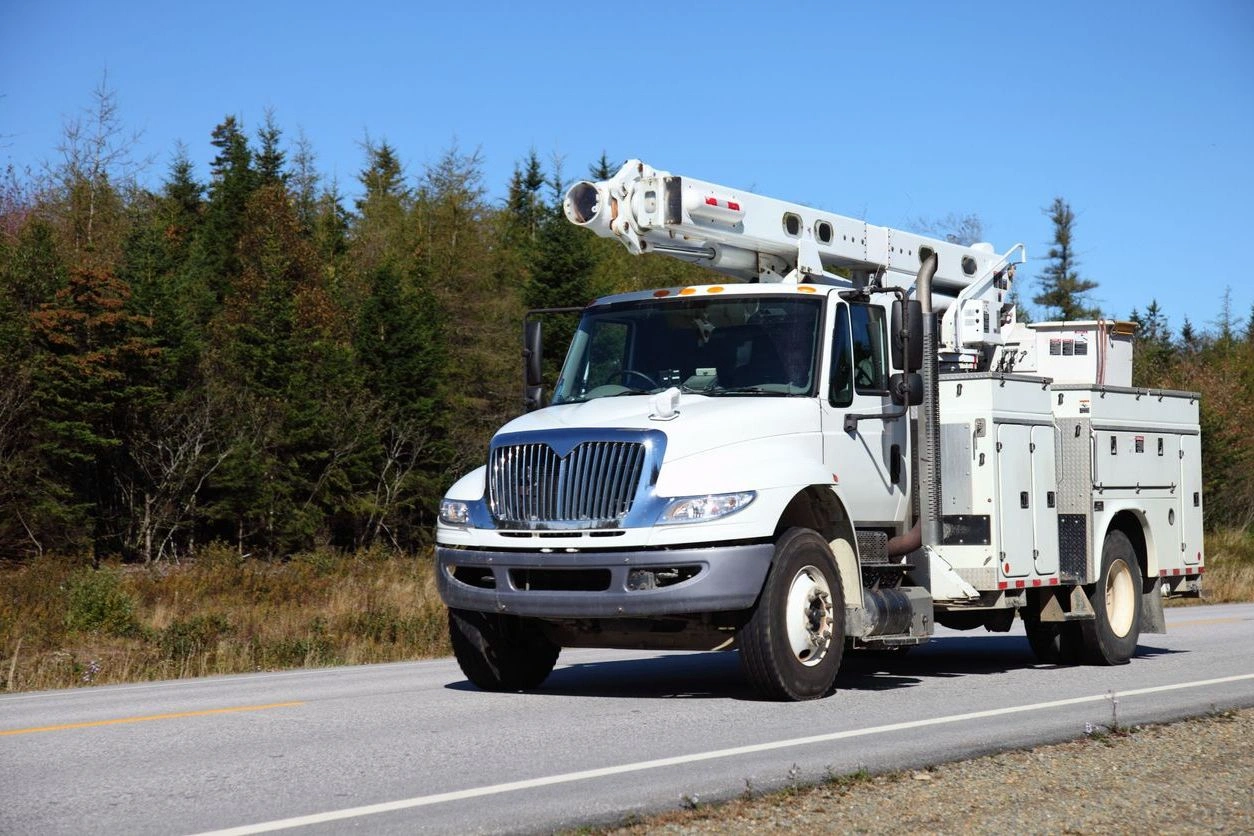
Operating a commercial truck in Thornton, Colorado, requires more than just good driving skills. It requires an ironclad defense against financial ruin.
Whether you are an independent owner-operator moving freight down I-25 or a fleet owner managing logistics across the Denver Metro, having the right insurance policy is what keeps your wheels turning when accidents happen.
Quick Answer: Securing commercial trucking insurance in Thornton typically costs between $8,000 and $16,000 annually for a semi-truck, depending on your cargo, operating radius, and driving record. Colorado law requires interstate carriers to maintain federal MCS-90 filings, while intrastate operators need a Form E filing with the Colorado Public Utilities Commission (PUC). Operators in Thornton face distinct pricing factors due to heavy congestion along the I-25 freight corridor and severe hail risks in Adams County.
Key Takeaways
- Baseline Premiums: Thornton owner-operators generally pay $7,000–$14,000 for dry van coverage and $10,000–$21,000 for auto haulers each year.
- State vs. Federal Filings: Intrastate routes demand Form E filings with the Colorado PUC, while interstate routes require federal MCS-90 and BMC-91X filings.
- Geographic Risk Factors: Close proximity to the busy Denver Metro area increases accident frequency, raising liability rates by 10-15% compared to rural areas.
- Weather and Physical Damage: Severe hail storms in Adams County force higher physical damage deductibles to protect specialized equipment like car carriers.
Commercial Trucking Insurance in Thornton For Trucking Businesses
Businesses searching for Commercial Trucking Insurance in Thornton need coverage designed around their trucks, cargo, drivers, and operating routes. Whether you operate a single commercial vehicle or manage a growing fleet, customized insurance can help protect your business from covered accidents, cargo losses, vehicle damage, and liability claims.
Alvix Insurance Group helps owner-operators and fleet businesses compare commercial trucking insurance based on their vehicle type, cargo, operating radius, driving history, and coverage requirements.
Coverage options may include:
- Primary Auto Liability
- Motor Truck Cargo
- Physical Damage
- General Liability
- Trailer Coverage
- Fleet Insurance
Whether your trucking business operates locally in Thornton or travels throughout Colorado and across state lines, the right coverage can help protect your trucks, cargo, drivers, and business operations.
What Does Commercial Trucking Insurance in Thornton Cover?
A solid commercial trucking insurance policy is built using several different coverage types.
You cannot rely on a single, generic policy to protect your truck, your cargo, and the public. You must layer specific coverages to build a shield around your business.
Here are the core coverages every Thornton trucker needs to consider:
- Primary Liability: Pays for injuries and property damage you cause to others in an accident. It is legally required to operate.
- Physical Damage: Covers the cost to repair or replace your own truck if it is damaged in a wreck, fire, or theft.
- Motor Truck Cargo: Reimburses the shipper if the freight you are hauling is damaged, lost, or stolen during transit.
- Non-Trucking Liability (Bobtail): Protects you when you are driving your truck for personal reasons without a trailer attached.
If you are an owner-operator leased to a motor carrier, the carrier usually provides your primary liability. However, you are still responsible for your own physical damage and non-trucking liability.
Trucking Insurance in Thornton for Local and Interstate Carriers
Trucking Insurance in Thornton can be customized for owner-operators, independent carriers, and fleet businesses transporting different types of commercial freight. Insurance needs can vary depending on your equipment, cargo, operating radius, and whether you operate locally or across state lines.
Common trucking operations may include:
- General freight hauling
- Dry van transportation
- Flatbed hauling
- Auto transportation
- Construction and equipment hauling
- Owner-operator operations
- Fleet trucking
Choosing coverage based on your actual trucking operation can help reduce coverage gaps and support applicable state, federal, broker, and shipper requirements.
Thornton Commercial Truck Insurance Cost Breakdown
Underwriters base your rates for trucking insurance in Colorado on your garaging zip code, driving history, and equipment class.
Because Thornton sits on the edge of the busy Denver Metro area, fleets garaged here face higher baseline rates. Insurance providers calculate these premiums based on how often accidents happen along local highways.
| Equipment / Freight Type | Average Annual Premium (Colorado) | Primary Use Case in Thornton |
|---|---|---|
| Semi Truck | $8,000 – $16,000 | Regional interstate hauling |
| Dry Van | $7,000 – $14,000 | General consumer goods transport |
| Auto Hauler / Car Carrier | $10,000 – $21,000 | Dealership logistics along I-25 |
| Hot Shot | $6,000 – $12,000 | Expedited and urgent freight |
| Box Truck | $4,000 – $9,000 | Last-mile urban delivery |
Data reflects average rates for owner-operators with clean motor vehicle records operating in the region.
State and Federal Filings: Colorado PUC vs. FMCSA
Commercial vehicles that stay strictly within Colorado borders must comply with Colorado Public Utilities Commission (PUC) limits. Intrastate carriers hauling normal property must maintain at least $750,000 in primary liability.
This is verified through an active Form E filing submitted directly by your insurance agent to the state. Operating without this filing will instantly suspend your commercial registration. Motor carriers crossing state lines fall under the jurisdiction of the Federal Motor Carrier Safety Administration (FMCSA).
These interstate routes require an MCS-90 endorsement attached to your policy. This guarantees public protection even if a specific claim is excluded. Interstate carriers must also file a BMC-91 or BMC-91X to make their federal operating authority active.
Most freight brokers will simply refuse to load trucks carrying less than $1,000,000 in liability, making the market minimum much higher than the legal minimum.
Dry Van Trucking Insurance in Thornton
Businesses looking for Dry Van Trucking Insurance in Thornton need coverage designed for carriers transporting packaged goods, retail products, consumer merchandise, and other general freight. Dry van operators may travel throughout Colorado or across interstate routes, creating different liability and cargo exposures depending on their operations.
Coverage may include:
- Primary Auto Liability
- Motor Truck Cargo
- Physical Damage
- Trailer Coverage
- General Liability
Whether you operate one dry van or manage a larger fleet, insurance should be tailored to your cargo, equipment, operating radius, and business requirements.
Auto Hauler Trucking Insurance in Thornton
Businesses transporting vehicles for dealerships, auctions, individuals, and automotive companies can benefit from Auto Hauler Trucking Insurance in Thornton. Auto haulers face specialized cargo risks because the vehicles being transported can have significant individual values and may require specific loading, unloading, and transportation procedures.
Coverage may include:
- Primary Auto Liability
- Auto Cargo Coverage
- Physical Damage
- Trailer Coverage
- General Liability
Your policy should reflect the number and type of vehicles you transport, their value, your equipment, operating radius, and any requirements imposed by brokers or customers.
Flatbed Trucking Insurance in Thornton
Businesses searching for Flatbed Trucking Insurance in Thornton may transport steel, lumber, construction materials, machinery, heavy equipment, and other exposed or oversized freight. Flatbed operations can involve unique cargo, loading, securement, and transportation risks that should be considered when selecting coverage.
Coverage may include:
- Primary Auto Liability
- Motor Truck Cargo
- Physical Damage
- Trailer Insurance
- General Liability
Customized coverage can help protect your flatbed truck, trailer, cargo, drivers, and business while operating locally or across state lines.
Local Route Risks: Navigating I-25 and Denver Metro Traffic
Thornton’s position just north of Denver places immense stress on commercial trucking insurance in Denver policies.
The I-25 corridor experiences terrible traffic jams, which drastically increases the chance of rear-end collisions. Insurers penalize carriers who primarily run this highway with higher liability rates because the risk of hitting a passenger car is so high.
Real Scenario: A Thornton-based dry van operator heading south on I-25 hits a patch of black ice, resulting in a jackknife crash that destroys the cab and ruins $45,000 worth of electronics. Their $1,000,000 primary truck liability insurance covers the guardrail damage. Physical damage coverage pays the $60,000 cab repair (minus a $2,500 deductible). Finally, cargo freight insurance protection repays the shipper for the electronics.
Weather Factors: Adams County Hail Storms and Winter Ice
Adams County introduces massive weather risks into your insurance pricing. Severe hail storms in the spring and summer cause terrible structural damage to trailers and exposed cargo. Because of this, insurers often force truckers to carry higher comprehensive deductibles in this area to offset the risk of hail claims.
Snow and black ice on elevated bridges along I-76 amplify winter rollover crashes. Underwriters will often look closely at your safety protocols and winter driving experience before they issue a policy. If you lack winter driving experience, expect to pay a premium surcharge.
Specialized Coverage by Trailer Type
Different freight classes require highly specific policies beyond standard coverage. If you are hauling vehicles, auto hauler trucking insurance in Thornton involves protecting multi-vehicle payloads where a single crash can cause hundreds of thousands of dollars in damage.
Insurers will demand specific rules about constructive total losses and diminished value coverage for hauling brand-new dealership cars.
For standard freight, operators need dry van trucking insurance in Thornton that is built to prevent claim denials on high-theft items like electronics.
Whether you need car carrier trucking insurance in Pueblo or general car carrier trucking insurance in Colorado, you must make sure your cargo limits match the maximum possible value of the cars loaded on your trailer.
Insuring for the average load value instead of the maximum load value will result in crushing out-of-pocket costs during a total loss.
Owner-Operator vs. Fleet Insurance Needs
Independent owner-operators carry the heaviest insurance burden because they operate under their own authority.
They must buy their own primary liability, physical damage, and cargo policies, and handle all their own state and federal filings. This makes finding affordable trucking insurance in Thornton critical for survival.
Fleet owners, on the other hand, face different challenges. They must insure multiple drivers and vehicles under a single master policy. Key factors that fleet insurers look at include:
- Driver turnover rates and hiring standards
- The average age and condition of the equipment
- Safety training and maintenance records
- Telematics data and dashcam usage
Fleets can often negotiate better rates per truck by showing strong safety programs, but a single bad driver can ruin the rates for the entire company.
How to Lower Your Trucking Insurance Premiums in Colorado
Insurance costs are rising, but you have options to keep your premiums under control. Insurers reward operators who prove they are a low risk.
To lower your trucking insurance costs, follow these steps:
- Hire Experienced Drivers: Insurers want to see drivers with at least two years of commercial experience and a clean driving record.
- Increase Your Deductibles: Raising your physical damage deductible from $1,000 to $2,500 can instantly lower your monthly bill.
- Use Dashcams and Telematics: Installing forward-facing cameras proves you take safety seriously and helps defend against fake claims in an accident.
- Stay on Top of Maintenance: Keep strict logs of all truck repairs to prove your equipment is safe for the road.
FAQs
Conclusion: Secure Your Fleet with Alvix Insurance
Finding the right commercial trucking insurance in Thornton does not have to be frustrating or confusing.
The roads are risky enough without worrying about whether your insurance policy will actually protect you when a claim happens.
At Alvix Insurance, we specialize in keeping truckers compliant, protected, and profitable. We understand the specific rules of the Colorado PUC and the FMCSA, and we know exactly how to structure your coverage to save you money without cutting dangerous corners.
Do not wait until an accident happens to find out if your coverage is strong enough.
Contact Alvix Insurance today to get a fast, accurate quote and secure the protection your business deserves.


