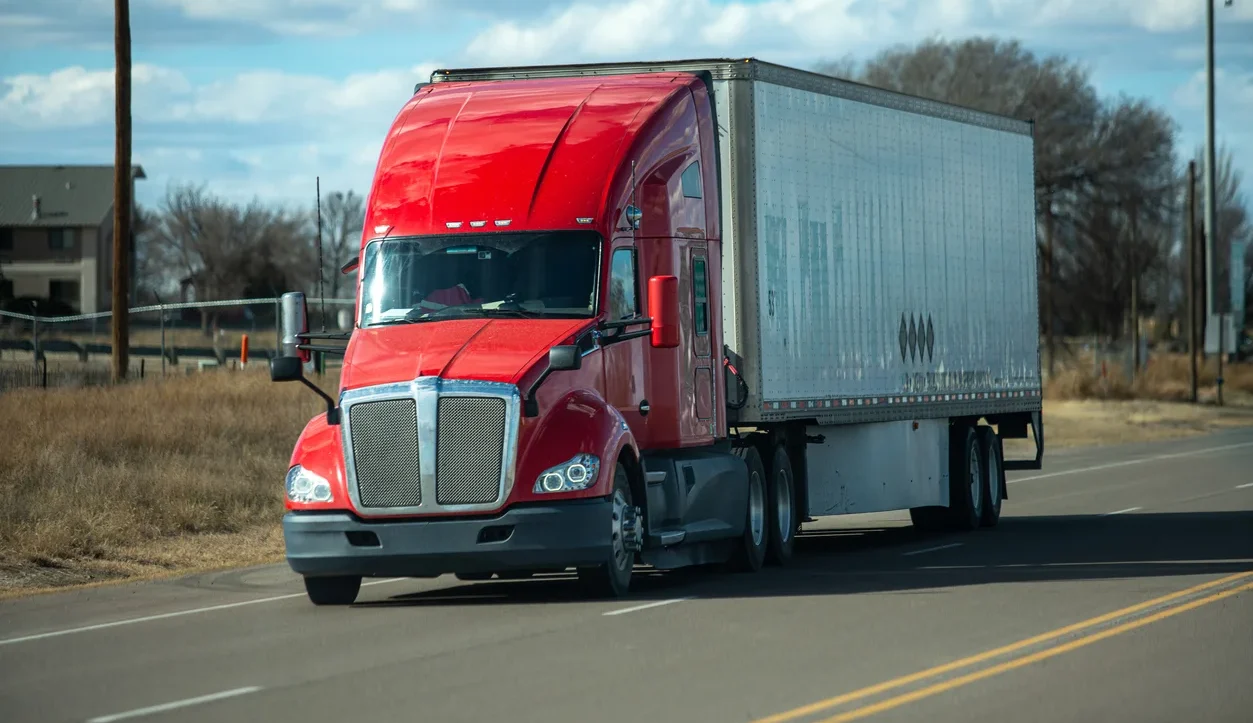
Commercial trucking insurance in Mobile costs more than a generic Alabama average once your trucks touch the Port of Mobile or a garage near the coast.
Alabama semi truck insurance runs $8,000 to $16,000 a year. Drayage carriers running intermodal containers usually land closer to $9,000 to $20,000, because UIIA-compliant equipment and hurricane exposure both push the number up. Port congestion and coastal storm risk are real, measurable factors, which is why a Mobile quote rarely matches an inland Alabama quote for the same truck.
Key Takeaways
- Mobile is Alabama’s second-largest trucking hub, with 158 registered general freight carriers.
- Port of Mobile drainage work requires UIIA-compliant insurance, not a standard policy.
- Hurricane season (June 1 to November 30) is a real, dated physical damage risk.
- The I-10 corridor puts many Mobile carriers one exit from Mississippi’s own filing rules.
- Real 2026 Alabama rates, by vehicle type, are in the table below.
Why Mobile Costs More Than the Alabama Average
Three factors push Mobile above the statewide baseline, and each one shows up directly in how an underwriter prices the risk, not just in marketing copy:
- Port and terminal traffic: Container handling and dock congestion raise accident frequency compared to open-highway miles elsewhere in the state.
- Coastal storm exposure: Garaging near the Gulf carries a real, dated hurricane-season window inland Alabama fleets don’t carry.
- Equipment mix: Drayage and intermodal work require UIIA coverage layers a standard box truck policy doesn’t need.
A carrier garaged five minutes from the terminal is underwriting a different risk than one running the same lane inland, and the quote reflects it.
Port of Mobile Drayage: What UIIA Insurance Actually Requires
A standard commercial auto policy will not get you past the port gate. Ocean carriers and terminal operators only interchange equipment with motor carriers whose insurance satisfies the Uniform Intermodal Interchange and Facilities Access Agreement (UIIA), the standard contract governing container, chassis, and trailer interchange between trucking companies and equipment providers.
Equipment providers running drayage through Gulf Coast ports, including CSX Intermodal Terminals, Hapag-Lloyd, Evergreen, and OOCL, each set their own trailer interchange limit, so “UIIA-compliant” isn’t one fixed number. Three layers apply across nearly all of them:
- Auto liability: written “Any Auto,” at least $1 million combined single limit, covering any truck under your authority, not just VIN-scheduled units.
- General liability: $1 million per occurrence, for incidents inside the terminal itself.
- Trailer Interchange Insurance: usually $25,000 to $50,000, for physical damage to containers and chassis you don’t own while in your care, custody, or control.
Registering with UIIA is a separate step from buying the right insurance, and it trips up new drayage carriers more than the coverage itself does:
- A SCAC code (Standard Carrier Alpha Code) is required before you can register with UIIA online.
- Insurance documents are submitted digitally through the system IANA (Intermodal Association of North America) manages.
- Some terminals require their own registration on top of UIIA. Confirm directly with the terminal operator.
A policy that looks complete on paper, liability plus cargo, can still fail a UIIA check if the “Any Auto”, “Hired Auto” language, or trailer interchange endorsement is missing. Catching that before you bid on the load beats finding out at the gate.
Alvix Insurance Group has placed trailer interchange coverage for Mobile owner-operators matched to the equipment provider’s specific limit.
Hauling cargo through the port too? Pair it with Cargo Freight Insurance Protection, since trailer interchange covers the equipment, not the freight inside it.
Hurricane Season and Physical Damage Coverage in Mobile
Atlantic hurricane season runs June 1 through November 30, and Mobile sits close enough to the Gulf that garaged equipment carries real exposure every year of that window.
Physical Damage Coverage generally responds to wind and flood damage to the truck itself, since both fall under “other than collision” causes of loss. What surprises owners isn’t whether the claim gets paid. It’s how:
- Actual cash value, not replacement cost: A total loss settles for what the truck was worth the day before the storm, often far less than replacement.
- Named-storm deductibles: Some carriers apply a separate, higher deductible once a hurricane warning is issued. Ask before the season starts, not after the claim.
Take a flatbed garage near the port that floods during a named storm. Physical damage coverage generally responds to the truck itself.
The cargo needs its own cargo policy, and a non-owned chassis needs trailer interchange coverage. One storm, three policies, three separate claims.
How Much Does Commercial Trucking Insurance Cost in Mobile? (2026 Rates)
Alabama rates vary sharply by vehicle type. Mobile’s port and coastal exposure generally pushes drayage and heavy equipment toward the top of each range.
| Vehicle Type | Alabama Annual Range (2026) |
| Semi Truck Insurance | $8,000 – $16,000 |
| Intermodal / Drayage Trucking Insurance | $9,000 – $20,000 |
| Reefer Truck Insurance | $9,000 – $18,000 |
| Flatbed Truck Insurance | $8,000 – $16,000 |
| Tank Truck Insurance | $13,000 – $35,000 |
| Box Truck Insurance | $4,000 – $9,000 |
Your actual quote still depends on authority age, garaging ZIP, claims history, and cargo class.
Alvix Insurance Group prices these by actual vehicle type and garaging location, not a single Alabama-wide average.
Owner-Operator vs. Fleet Coverage for Mobile Carriers
A single-truck owner-operator and a 15-truck fleet manager running the same port route aren’t buying the same policy:
- Owner-operators, 1 to 5 trucks, usually need one policy covering liability, physical damage, and cargo, structured so a lapse never puts FMCSA authority at risk.
- Small fleets, 6 to 25 trucks, often run a mixed list (dry van, reefer, flatbed) and need pricing by vehicle type, not one blended rate.
- New authority holders get the most scrutiny, and a Form E or UIIA filing mismatch here resets activation instead of just delaying it.
How Fleet Insurance Works covers mixed-equipment pricing. Claims history and CSA safety scores move both groups’ premiums, more at renewal than at the first quote. FMCSA Safety Ratings explains how that scoring works.
Crossing into Mississippi: What Mobile Carriers Need to Know
Plenty of Mobile carriers run I-10 into Mississippi regularly, whether it’s a Pascagoula delivery or a longer haul toward Louisiana.
Your Alabama policy doesn’t change the moment you cross the line, but a few things can:
- Filing rules and minimum limits aren’t identical from state to state.
- Whether you hold intrastate or interstate authority matters more the more often you cross.
- If Mississippi lanes are a regular part of your business, not an occasional trip, that’s worth a direct coverage review rather than an assumption that Alabama’s rules travel with you.
The Mississippi commercial trucking insurance page covers that state’s specific requirements.
Minimum Insurance and Alabama Form E Filing
- Interstate carriers: FMCSA (49 CFR Part 387) sets a $750,000 minimum liability requirement for most general freight. Many shippers contractually require $1,000,000.
- Intrastate-only Alabama carriers: the Alabama Public Service Commission (APSC) requires a Form E filing, submitted by your insurance agent, before authority activates.
Missing Form E paperwork is a common, avoidable reason a Mobile carrier’s authority stalls.
Alvix Insurance Group has handled Form E filings with 24/7 certificate of insurance access.
FAQs
Get Your Mobile Truck Insurance Quote
Port drayage, hurricane exposure, and I-10 mileage each carry different risks than a standard inland Alabama route, and a policy quoted off a national average won’t price any of them right.
Alvix Insurance Group has structured coverage for Alabama owner-operators and fleets, with dedicated account managers who know what a UIIA equipment provider actually requires before your truck ever reaches the gate.
Get a Free Quote for your Mobile operation, or contact our team with questions before you bind a policy.
For the rest of the state, see Commercial Trucking Insurance in Alabama, or compare notes with Montgomery and Dothan.
Definitions of terms above are in the Trucking Insurance Glossary, and more questions are answered on the Commercial Trucking Insurance FAQ.


