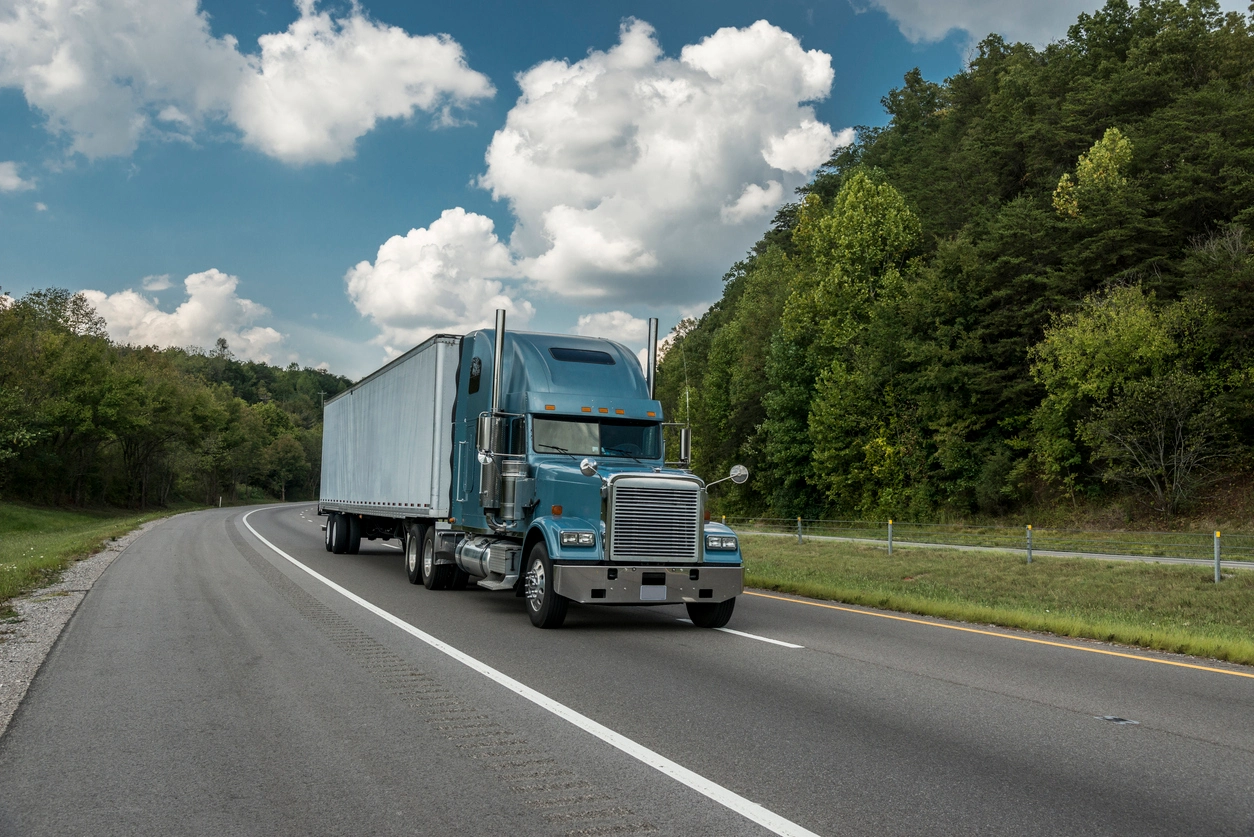
Commercial trucking insurance in Jackson, Tennessee, typically costs between $8,000 and $18,000 per year for a single owner-operator. Fleet rates vary based on the number of trucks, cargo type, and driver history. Personal auto insurance does not cover commercial hauling, any claim filed under a personal policy while hauling freight will be denied. Tennessee follows federal FMCSA minimums, which means most interstate truckers need at least $750,000 in liability. Most brokers and shippers in the Jackson area require $1,000,000 before assigning loads. At Alvix Insurance Group, we work with 30+ trucking-specific carriers across 23+ licensed states to find the right coverage at a rate that works for your operation.
Key Takeaways
Here is what every Jackson trucker needs to know before reading further.
- Commercial trucking insurance costs $8,000–$18,000 per year for most owner-operators in Tennessee. Your actual rate depends on cargo, history, and routes.
- Personal auto insurance never covers commercial hauling. One denied claim can leave you personally liable for damages, injuries, and cargo loss.
- Tennessee requires a minimum of $750,000 liability for most non-hazmat interstate operations under FMCSA rules.
- Most freight brokers require $1,000,000. Carrying only the minimum can cut you off from loads on major freight platforms.
- Jackson’s location on I-40 puts you in a high-traffic freight corridor. More exposure on busy interstates means insurers pay close attention to your route profile.
- New authorities pay 30–50% more than established carriers. Clean loss history and strong FMCSA scores lower your rate at renewal.
- Bobtail and non-trucking liability are not the same. Mixing them up leaves a real coverage gap when you need protection most.
- One lapsed day of coverage can revoke your operating authority. Never let your policy expire between loads or renewal periods.
Jackson, Tennessee, sits at the intersection of two of the most active freight corridors in the mid-South. I-40 runs east to west right through the city, connecting Memphis to Nashville. US-45 runs north to south, linking the region to Kentucky and Mississippi. That puts Jackson in the middle of serious trucking country.
Local freight is just as active. Agricultural loads move out of Madison County. Manufacturing and distribution operations tied to companies like Procter & Gamble and Kimberly-Clark generate steady commercial traffic. And Jackson’s position between two major metro areas means constant regional delivery demand.
If you run a truck out of Jackson or manage a fleet here, you already know the roads and the demand. This guide helps you understand the insurance side so you can stay protected, stay compliant, and keep moving.
What Is Commercial Trucking Insurance and Why Is It Different from Personal Auto?
Commercial trucking insurance is a policy built specifically for vehicles used to haul freight for pay. It is not an add-on to your personal auto policy. It is a completely separate type of coverage.
A personal auto policy excludes commercial use. That exclusion is not a technicality. It is a hard rule. If you haul a load and get into an accident, even a minor one, your personal insurer will deny the claim. You then face vehicle repair costs, third-party liability, and cargo loss entirely out of pocket.
Tennessee truck insurance matters even more because the state’s trucking corridors see high accident frequency. I-40 between Jackson and Memphis is one of the busiest commercial vehicle stretches in the region. Insurers know this, and they price accordingly.
Commercial trucking insurance covers the risks that actually exist in your workday:
- Accidents involving your loaded or unloaded truck
- Damage or theft of the freight you are hauling
- Liability for injuries or property damage you cause to others
- Physical damage to your own truck and trailer
- Coverage gaps specific to your operating structure, leased or independent
What Types of Commercial Trucking Coverage Do Jackson Operators Actually Need?
Coverage needs vary based on what you haul, how far you go, and how your business is structured. There is no single policy that fits every operation. What works for a flatbed operator hauling steel out of Jackson is different from what a refrigerated carrier needs running produce to Nashville.
Understanding your specific coverage needs before you buy is the most important step. Here is a clear breakdown of the most common coverage types and what each one does.
Jackson-area operators range from local delivery drivers to long-haul carriers running I-40 coast to coast. Each has a different risk profile and a different coverage requirement.
| Coverage Type | What It Covers | Who Needs It |
|---|---|---|
| Primary Liability | Bodily injury and property damage you cause to others | All for-hire truckers are federally required |
| Physical Damage | Damage to your own truck (collision + comprehensive) | Owner-operators and fleets with financed equipment |
| Motor Truck Cargo | Loss or damage to the freight you are hauling | Any trucker moving goods for pay |
| Bobtail Insurance | Coverage when driving without a trailer under a lease | Owner-operators leased to a motor carrier |
| Non-Trucking Liability | Personal use of the truck when not under dispatch | Owner-operators not under permanent lease |
| General Liability | Loading/unloading injuries, yard operations | Trucking companies with terminals or warehouses |
| Trailer Interchange | Damage to non-owned trailers under a written agreement | Flatbed and dry van operators pulling others’ trailers |
| Occupational Accident | Medical and income replacement for owner-operators | Independent truckers not covered by workers’ comp |
Every coverage type above fills a specific gap. Skipping one creates real exposure. And in Tennessee’s litigation environment, gaps get expensive quickly.
Alvix Insurance Group reviews your full operation before recommending a structure, not just the minimum required to get a policy issued.
What Are the Minimum Insurance Requirements for Truckers in Tennessee?
Tennessee follows federal FMCSA requirements for interstate carriers. The Tennessee Department of Transportation (TDOT) sets the rules for intrastate operations. Both sets of requirements are legally mandatory.
These are floors, not recommendations. Most experienced operators in the Jackson market carry more than the minimum because freight brokers and direct shippers commonly require higher limits before assigning loads.
Here is what the minimums look like based on what you haul:
| Operation Type | Minimum Liability Required |
|---|---|
| Non-hazmat freight under 10,001 lbs (interstate) | $300,000 |
| Non-hazmat freight over 10,001 lbs (interstate) | $750,000 |
| Hazardous materials (certain categories) | $1,000,000 |
| Oil transport | $1,000,000 |
| Radioactive or explosive materials | $5,000,000 |
Tennessee intrastate for-hire carriers must register with the TDOT and maintain active insurance filings. A lapse in coverage triggers a filing violation and that can suspend your operating authority faster than most operators expect.
One practical reality for Jackson truckers: freight brokers on DAT, Truckstop, and similar platforms routinely require $1,000,000 in primary liability. Carrying the FMCSA minimum of $750,000 will reduce your load options in a competitive freight market.
How Does Jackson’s Location Affect Your Insurance Costs?
Where you operate matters as much as what you haul. Jackson’s position in west Tennessee creates a specific risk profile that insurance carriers evaluate when pricing your policy.
Knowing what drives your rate helps you take steps to manage it — and helps you have a smarter conversation with your broker.
Here is how Jackson’s geography and freight market affect your premium:
- I-40 corridor exposure: Jackson sits on one of the highest-volume truck corridors in the Southeast. More traffic means more accident frequency. Insurers factor your route exposure directly into your rate.
- Memphis proximity: Many Jackson-based operators run freight into Memphis — one of the country’s largest logistics hubs. Urban freight delivery carries higher liability risk than rural routes.
- Agricultural cargo: Madison County and surrounding areas produce significant agricultural freight. Produce loads with tight delivery windows carry cargo spoilage risk that affects your cargo policy terms.
- Manufacturing and distribution freight: Large employers like Procter & Gamble, Pringles (Kellogg’s), and Kimberly-Clark generate consistent commercial freight in Jackson. High-value manufactured goods carry their own cargo risk profile.
- Seasonal weather: West Tennessee sees ice storms and occasional severe weather that spike accident rates in winter months. Insurers price this into premiums for operators based in the region.
Understanding these factors puts you in a better position to control costs over time, through route choices, equipment maintenance, and driver safety programs.
What Determines the Cost of Commercial Trucking Insurance in Jackson?
Your premium is built from a detailed profile of your business. No two operators pay the same rate. The table below shows the factors that move the needle most for Jackson-area truckers.
These factors are not fixed. Most of them are within your control, especially over the first two to three years of building your operating history.
| Rating Factor | Impact on Premium |
|---|---|
| Type of cargo hauled | High, hazmat, produce, and high-value goods cost significantly more |
| Operating radius (local, regional, long-haul) | High, longer routes increase exposure |
| Driver age and MVR history | High violations and accidents can double your rate |
| Years with active authority | High, new authorities pay 30–50% more on average |
| FMCSA safety scores | High, poor SMS scores reduce your carrier options |
| Vehicle age and maintenance records | Medium, older equipment without safety tech costs more |
| Annual mileage | Medium, more miles mean more exposure |
| Overnight parking location | Medium, unsecured parking increases theft risk |
| Deductible level | Medium, a higher deductible lowers your premium |
| Claims history (last 3–5 years) | Very high, one major claim changes your rate significantly |
A clean driving record, well-maintained trucks, and strong FMCSA scores consistently point premiums in the right direction. Operators who invest in driver safety programs and preventive maintenance see the most meaningful rate reductions at renewal.
What Are the Most Common Insurance Mistakes Jackson Truckers Make?
These mistakes come up repeatedly — usually discovered only after a denied claim or a compliance issue. All of them are avoidable with the right broker and the right policy structure.
1. Using personal auto insurance for commercial loads
Some operators, especially those just starting out, assume their personal policy covers occasional freight hauls. It does not. One accident during an uncovered commercial haul can result in a six-figure personal liability with no insurance backstop.
2. Confusing bobtail and non-trucking liability
These two coverages sound similar but work very differently. Bobtail applies when you are driving without a trailer under a lease agreement. Non-trucking liability applies when you are using the truck personally, off dispatch. Mixing them up means neither one covers you in the situation you actually face.
3. Letting coverage lapse during slow freight periods
Some operators cancel or pause coverage when loads slow down. In Tennessee, even a one-day lapse triggers a compliance violation with the FMCSA. Reinstating authority takes time, and the gap on your record affects future insurance rates.
4. Not updating the policy when adding drivers or equipment
Adding a truck or a new driver without notifying your insurer can void coverage on that asset entirely. Tennessee’s active freight market means operators frequently add equipment on short notice. Always update your policy before the new truck or driver hits the road.
5. Buying on price alone
The cheapest policy is rarely the right one. Broad exclusions, low cargo sub-limits, and slow claims handling can cost far more than the premium saved. Policy quality matters as much as the number on the quote.
Is Owner-Operator Insurance Different from Fleet Insurance in Jackson?
Yes, and the differences are significant. Your operating structure determines which coverages apply to you, who is responsible for providing them, and what your total cost looks like.
If you are leased to a motor carrier:
The carrier’s primary liability covers you while on dispatch. You are still responsible for:
- Physical damage to your own truck
- Bobtail coverage when driving without a load under the lease
- Occupational accident coverage if the carrier does not provide it
- Cargo liability if it is not extended to you under the carrier’s policy
If you operate under your own authority:
You are the motor carrier. All coverages are your responsibility, including primary liability, cargo, physical damage, and all required FMCSA and TDOT filings.
Fleet operators running two or more trucks often qualify for blanket physical damage policies, scheduled driver programs, and fleet pricing tied to overall loss ratios. Safety program participation can unlock additional premium reductions at renewal.
Alvix Insurance Group works with both individual owner-operators and growing fleets across the Jackson, Tennessee area. We structure coverage around how you actually operate, not around a standard template.
How Do You Choose the Right Commercial Trucking Insurance Provider in Jackson?
Not every insurance agency understands commercial trucking. And among those that do, not all have the carrier access needed to find competitive pricing for your specific freight type and operating territory.
Here is what to look for when choosing a provider in the Jackson market:
- Trucking specialization: A general commercial lines agent may not know the FMCSA filing requirements, the difference between bobtail and non-trucking, or how to structure cargo coverage for your load type. Specialization matters.
- Carrier access: A broker with 30 or more trucking-specific carriers can genuinely shop your risk across the market, not just pick from two options.
- Multi-state licensing: If you run loads beyond Tennessee, your broker should be licensed in the states you operate in.
- Filing capabilities: Your provider should handle MCS-90 endorsements, BMC-91 bonds, and TDOT filings directly, not pass them back to you to figure out.
- Claims support: When something goes wrong, your broker should advocate for you, not just report the claim and disappear.
These questions separate the right provider from the convenient one.
Why Choose Alvix Insurance Group for Jackson Trucking Insurance?
Jackson is a real freight city. I-40, US-45, and the region’s strong manufacturing and agricultural base keep trucks busy year-round. Protecting that operation with the right insurance is not optional; it is the foundation on which everything else runs.
Alvix Insurance Group brings over a decade of experience placing commercial trucking coverage for owner-operators and fleets across Tennessee and beyond. We are licensed in 23+ states, so your coverage follows you wherever the load takes you. Our relationships with 30+ trucking-specific carriers mean we find competitive options for new authorities, growing fleets, and specialized freight operations alike.
Jackson operators trust us because we know this market. Talk to a trucking Insurance specialist today and get a quote built around how you actually work.
Frequently Asked Questions
Related Read: Commercial Trucking Insurance in Chattanooga


