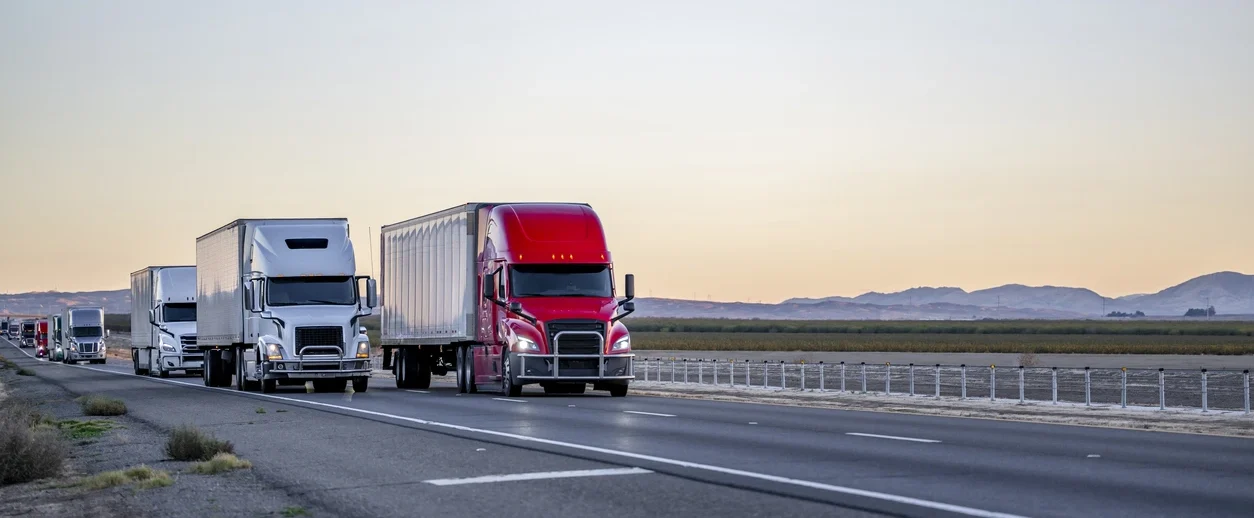
Trucking firms in Broken Arrow operate in a highly unforgiving logistical corridor. You constantly battle the intense bottleneck of the Creek Turnpike.
You also adjust to extreme Oklahoma weather shifts with haul heavy and diverse freight across the greater Tulsa area.
These daily operational hazards are massive financial liabilities. A single rear-end collision in a work zone is dangerous. A sudden load shift on rough pavement is also risky. Both can instantly trigger catastrophic liability claims and cargo damage. You also face severe legal penalties if your motor carrier is underinsured.
You must secure a heavily fortified, tailored commercial trucking insurance policy in Broken Arrow. This does far more than just protect your drivers and assets.
It is the absolute foundation to satisfy tier-one freight brokers. and helps you survive aggressive DOT audits, also shields your balance sheet from predatory commercial litigation.
Quick Answer: Commercial trucking insurance in Broken Arrow ranges from $1,050 per month for a regional owner-operator to over $15,100 annually for a new long-haul tractor-trailer. Your exact premium heavily depends on your DOT operating radius. It also depends on cargo commodities and CDL experience. Intrastate operators must carry a minimum of 25/50/25 liability under Oklahoma law. Interstate carriers must maintain a strict $750,000 minimum under federal FMCSA regulations.
Key Takeaways
- State Limits vs. Reality: Intrastate operators require a baseline 25/50/25 liability split. However, tier-one freight brokers demand a $1,000,000 combined single limit (CSL).
- Mandatory State Filings: The Oklahoma Corporation Commission (OCC) strictly requires electronic Form E filings. This verifies your liability coverage before granting an intrastate motor carrier license.
- Local Underwriting Hazards: Garaging your fleet in Broken Arrow exposes your vehicles to regional property damage hazards. This is heavily influenced by work zone collisions on the SH-51 interchange.
- Crucial Gap Coverage: Bobtail and non-trucking liability (NTL) are mandatory gap coverages. Owner-operators driving strictly under a larger motor carrier’s DOT authority need them.
Why Broken Arrow Demands Highly Specialized Coverage
Broken Arrow sits at the critical logistical crossroads of I-44, I-35, and US-64. It serves as a massive artery. It connects the Tulsa manufacturing sector with national markets. Commercial freight pours down from the Port of Catoosa. It moves heavy construction materials and agricultural yields to major distribution hubs daily.
A standard commercial auto policy will completely collapse under heavy freight operations. Highly specialized trucking policies are absolutely mandatory. Three core variables dictate this:
- Cargo Profiles: A local dry-van operator faces entirely different underwriting risks than a regional tanker hauler.
- Operating Radius: Running a tight 500-mile regional loop carries a drastically different risk matrix. It is much cheaper than operating a nationwide fleet.
- Jurisdictional Borders: Your minimum liability limits are dictated exclusively by where your commercial wheels cross state borders.
Operations confined strictly within Oklahoma state lines fall under Oklahoma Corporation Commission (OCC) jurisdiction. But things change when your trucks cross the border into Texas, Kansas, or Arkansas. You instantly trigger federal FMCSA jurisdiction. This vastly increases your legal liability floor. It also exposes you to federal DOT audits.
Commercial Truck Insurance Rates in Broken Arrow (2025)
Premiums in Broken Arrow are not arbitrary. They fluctuate based on highly specific actuarial data points. Insurance underwriters ruthlessly analyze your garaging zip code. They pull your federal CAB report and verify your CDL driving history. They also map your exact DOT operating mileage.
Key factors driving your rate into the ground or through the roof:
- Radius Restrictions: Insurance actuaries financially penalize unlimited radius operations. Unfamiliar routing inherently spikes collision probability. Confining your dispatch to the Tulsa-Broken Arrow corridor yields a massive 10-15% discount.
- Carrier Experience Levels: New ventures always pay peak premiums. However, established carriers with clean loss runs see rates drop into elite pricing tiers.
- Equipment Valuation: The actual cash value (ACV) of your specific tractor and trailers heavily dictates your physical damage premium.
| Operation Profile / 2025 Average Premium | Owner-Operator (Monthly) | Small Fleet – 3-5 Trucks (Monthly) | Long-Haul Tractor-Trailer (Annual) |
|---|---|---|---|
| Premium (USD) | $1,050 | $4,300 | $15,100 per power unit |
| Required Filings | Form E (Intra) / MCS-90 (Inter) | Form E (Intra) / MCS-90 (Inter) | MCS-90 (Federal) |
| Core Coverages Included | Liability, Physical Damage, Cargo | Liability, Physical Damage, Cargo | Liability, Physical Damage, Cargo |
Geo-Specific Risks: The Creek Turnpike & SH-51 Bottlenecks
Broken Arrow’s rapidly expanding commercial infrastructure presents specific underwriting hazards. Local fleet managers must actively mitigate them.
- Uneven Highway Pavement: The western stretch of the Creek Turnpike suffers from “roller coaster” pavement dynamics. This drastically increases severe suspension damage. It also causes sudden cargo shifts inside dry vans.
- High-Density Work Zones: Ongoing infrastructure projects at the SH-51 interchange create dangerous bottlenecks. Fully loaded 80,000-pound commercial vehicles face elevated rear-end collision risks here. This is due to severely extended stopping distances on graded inclines.
- Bridge Clearances: Recurring over-height bridge strikes trigger catastrophic property damage claims. Carriers must enforce the use of commercial-grade routing GPS systems. This helps avoid devastating structural impacts.
Real Scenario: An owner-operator navigates a poorly marked lane shift on the SH-51 interchange. They fail to stop their fully loaded flatbed in time. They heavily rear-end a passenger vehicle. The severe collision yields $45,000 in bodily injury claims and $18,000 in property damage. The motor carrier’s $1,000,000 CSL primary liability policy absorbs the financial blow. This directly prevents total bankruptcy and keeps their DOT number active.
Architecting the Core Coverage Stack
A legally robust commercial policy aggressively stacks multiple lines of coverage. This completely closes operational vulnerabilities. Your Primary Liability strictly covers third-party bodily injury and property damage. It pays absolutely nothing toward repairing your own expensive capital assets.
You must actively carry Physical Damage insurance to repair or completely replace your tractor. This is crucial following a devastating collision or severe Oklahoma hail storm. Simultaneously, Motor Truck Cargo coverage acts as the ultimate safety net. It protects the physical freight you haul against theft, fire, or collision damage.
| Truck Type | Required Baseline Coverage | Mandatory Risk Add-On |
|---|---|---|
| Straight Trucks | Primary Liability | Standard Cargo Protection |
| Concrete Mixers | Primary Liability | High-Value Physical Damage |
| Car Haulers | Primary Liability | Specialized Cargo (Auto-Hauling & Constructive Total Loss) |
| Fuel & Tanker | $5M Federal Liability | Hazardous-Material Endorsement + Pollution |
| Heavy-Haul | Primary Liability | Oversized Cargo / Rigging Coverage |
| Long-Haul | $1M CSL Liability | Comprehensive Cargo + Reefer Breakdown Endorsement |
Securing Owner-Operator & Small Fleet Insurance
Insurance requirements in the trucking industry split fundamentally. It depends on whose DOT authority you are actively operating under.
- Independent Owner-Operators: You must purchase a full primary liability policy if you hold your own independent operating authority. This satisfies state and federal mandates. Independent drivers actively use owner-operator policies to protect their single vehicle and cargo.
- Leased Owner-Operators: You might permanently lease your truck to a larger motor carrier. Their primary liability covers you while you are under dispatch. Because you are covered while hauling, you only need to personally purchase:
- Non-Trucking Liability (Bobtail): This protects you against third-party lawsuits during off-duty, personal use of the tractor.
- Physical Damage: This safeguards your personal capital asset against physical loss, theft, or fire.
Small companies aggressively combine several trucks under a single fleet truck insurance plan. This earns them significant volume discounts and simplifies their annual renewal process.
Mastering Form E Filings with the Oklahoma Corporation Commission
Intrastate motor carriers simply cannot legally dispatch a single load without a verified Form E on file. The Form E certificate functions as an unbreakable legal guarantee from your insurer. It proves that your policy is actively in force.
- Strict Electronic Submission: You cannot manually download, print, and mail this form. Your insurance agent must transmit the Form E electronically to the OCC Transportation Division.
- The Unforgiving Exact Match Rule: The registered business name and address on your insurance policy must identically match the details on your state application. This includes the exact punctuation.
Real Scenario: A carrier registers with the state as “Arrow Trucking, L.L.C.” but their broker binds the policy under “Arrow Trucking LLC” without the periods. The OCC automated system instantly rejects the Form E filing. The carrier loses three days of lucrative dispatch revenue waiting for the policy name to be formally amended and electronically refiled.
Choosing an Elite Provider for Compliance and Claims
Procuring commercial trucking insurance in Broken Arrow goes beyond checking a box on minimum legal requirements. It demands a highly strategic alignment of your liability limits with aggressive shipper expectations. It also requires the flawless execution of Form E filings with the OCC.
A highly reliable, industry-specialized commercial insurer actively audits your operation to guarantee bulletproof compliance. They will:
- Help you perfectly match your liability and cargo caps to your specific load volume. This ensures you never face an underinsured loss.
- Ensure you are never overpaying for unused limits or unnecessary nationwide radiuses.
- Handle massive liability claims aggressively. This ensures your trucks spend minimal time off the road and your business survives.
FAQs
Conclusion
Broken Arrow’s highly strategic location makes it a major hub for regional freight. But the severe mix of dense local traffic and unpredictable weather creates real exposure. Highly varied cargo also creates daily exposure for trucking companies.
A meticulously structured commercial trucking insurance plan in Broken Arrow completely shields your drivers and vehicles. It protects shippers’ freight while keeping your business fully compliant and financially secure.
Working with an elite partner like Alvix Insurance Group ensures you receive a highly customized policy. It fits your exact operational needs and offers hyper-competitive rates. It also completely supports your long-term fleet growth.
Want to see exactly how much you could save on your next renewal? Get a free, no-obligation quote by calling (305) 909-6444 today.


