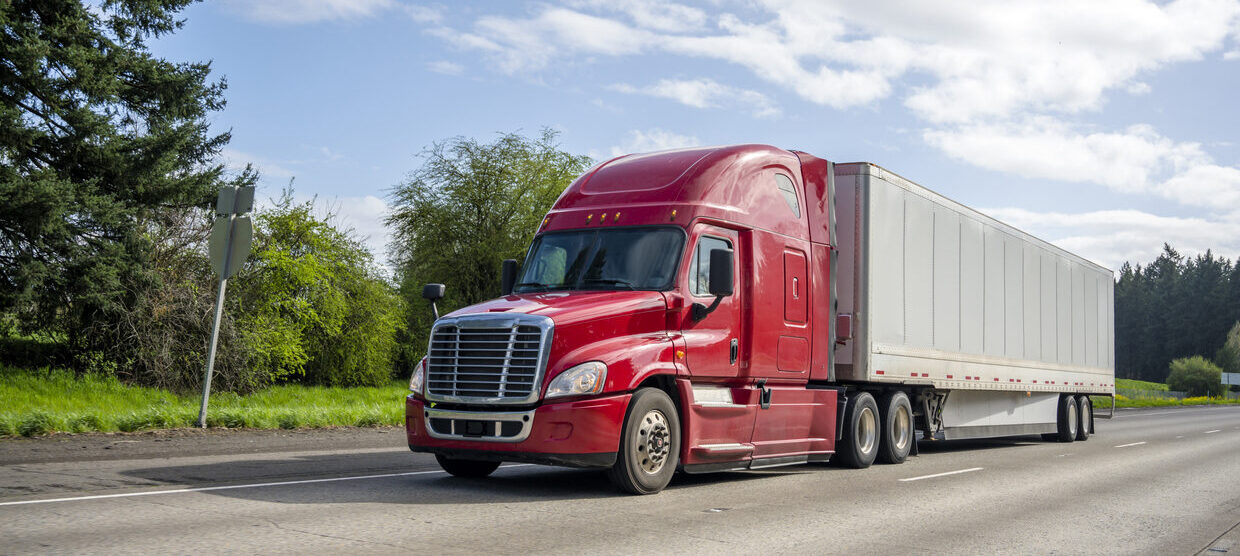
The trucking industry in Bowling Green plays a major role in supporting construction, retail distribution, agriculture, and industrial supply chains. With more commercial vehicles on the road, businesses face increasing exposure to accidents, cargo damage, theft, and legal liability. Because of these risks, having the right commercial trucking insurance in Bowling Green is one of the smartest financial decisions a truck owner or fleet operator can make.
Commercial truck insurance provides protection for your vehicle, freight, drivers, and business assets. Whether you are an independent owner-operator or manage multiple trucks, the right coverage helps keep your operations running even after unexpected events.
Why Commercial Truck Insurance Is Essential
Operating a commercial truck is very different from driving a personal vehicle. Trucks travel longer distances, carry heavy or valuable cargo, and operate under strict regulations. One accident can lead to medical claims, property damage costs, and lawsuits that can severely impact your business finances.
Commercial trucking insurance helps by:
- Covering bodily injury and property damage claims
- Protecting your truck from collision and theft
- Safeguarding the cargo you transport
- Helping with legal defense costs
- Making sure your operations meet every applicable state and federal standard.
In a growing logistics area like Bowling Green, proper insurance coverage is critical for long-term business stability.
Types of Commercial Trucking Insurance Coverage
There are several specialized trucking insurance policies designed to cover specific risks in the transportation industry.
Primary Liability Insurance
This is legally required and forms the foundation of your trucking policy. It covers:
- Bodily injury to others
- Property damage caused by your truck
- Legal costs related to covered accidents
Average Cost: $5,000 – $12,000 per year
Physical Damage Insurance
This protects your own truck if it is damaged by:
- Collisions
- Fire
- Theft
- Vandalism
- Severe weather
Average Cost: $1,200 – $5,000 annually
Motor Truck Cargo Insurance
Cargo insurance protects the freight you are hauling. It helps cover:
- Cargo theft
- Damage during loading or unloading
- Loss due to accidents
Average Cost: $1,000 – $11,000 per year
Flatbed Truck Insurance
Flatbed trucks carry exposed loads, which increases risk. Coverage is designed for hauling:
- Steel and metal
- Lumber and building materials
- Machinery and equipment
Estimated Cost: $8,000 – $18,000 per year
Box Truck Insurance
Common for local deliveries and moving services. Coverage typically includes:
- Liability protection
- Collision and comprehensive coverage
- Optional cargo insurance
Estimated Cost: $3,000 – $10,000 annually
Semi-Truck Insurance
For long-haul tractor-trailers operating across states. These policies often include:
- Higher liability limits
- Cargo coverage
- Trailer coverage
Estimated Cost: $10,000 – $20,000 per year
Owner-Operator Insurance
Designed for independent truckers. Policies may include:
- Primary liability insurance
- Physical damage coverage
- Non-trucking liability
- Bobtail coverage
Estimated Cost: $6,000 – $15,000 annually
Additional Specialized Coverages
Depending on your operations, you may also need:
- General Liability Insurance – Covers non-driving business risks
- Provides coverage for trailers that are in your care but not owned by you.
- Refrigerated Truck (Reefer) Insurance – Covers temperature-controlled cargo
- Dump Truck Insurance – For construction and heavy material hauling
- Fleet Truck Insurance – For businesses with multiple trucks
- Umbrella Insurance – Provides extra liability protection above policy limits
Major Risks in the Trucking Industry
Trucking businesses in Bowling Green face several daily risks that make insurance necessary.
Operational Risks
- Heavy highway traffic increases accident chances
- Long driving hours lead to driver fatigue
- Loading and unloading accidents
Cargo Risks
- Theft of high-value freight
- Damage from improper load securement
- Temperature spoilage for refrigerated goods
Environmental Risks
- Storms and flooding
- Road hazards and poor weather conditions
Financial and Legal Risks
- Expensive vehicle repairs
- Lawsuits from third-party injuries
- Medical expenses from accident claims
Factors That Influence Premiums
Insurance providers calculate costs based on:
- Driver experience and record
- Type of cargo transported
- Truck age and market value
- Operating radius (local vs long-haul)
- Claims history
- Safety equipment installed
How to Choose the Right Truck Insurance
Choosing the correct coverage depends on your business type and risk level.
Owner-Operators Should Have:
- Primary liability insurance
- Physical damage coverage
- Cargo insurance
- Bobtail or non-trucking liability
Box Truck Businesses Should Have:
- Liability insurance
- Physical damage coverage
- Optional cargo coverage
Flatbed Operators Should Have:
- High-limit liability insurance
- Cargo insurance with higher limits
Fleet Owners Should Have:
- Fleet insurance policy
- General liability insurance
- Umbrella coverage for extra protection
Refrigerated Truck Operators Should Have:
- Cargo insurance
- Reefer breakdown coverage
Ways to Reduce Commercial Truck Insurance Costs
While trucking insurance can be expensive, there are ways to manage premiums:
- Maintain a clean driving history
- Hire trained and experienced drivers
- Install GPS tracking and dash cameras
- Follow DOT safety regulations
- Bundle multiple policies with one insurer
- Choose higher deductibles if financially manageable
Final Thoughts
Commercial trucking insurance in Bowling Green is more than a legal requirement. It is a critical protection tool that keeps your trucking business financially secure. From liability claims to cargo damage and vehicle repairs, the right policy ensures your operations can continue even after unexpected events. Working with an experienced provider like Alvix Insurance Group can also help you choose coverage that fits your specific trucking operations and risk level.
By understanding coverage options, specialized policies, cost factors, and risks, truck owners and fleet managers can make informed decisions that protect their vehicles, drivers, and long-term profits.
Also read: Commercial Truck Insurance in Richmond


