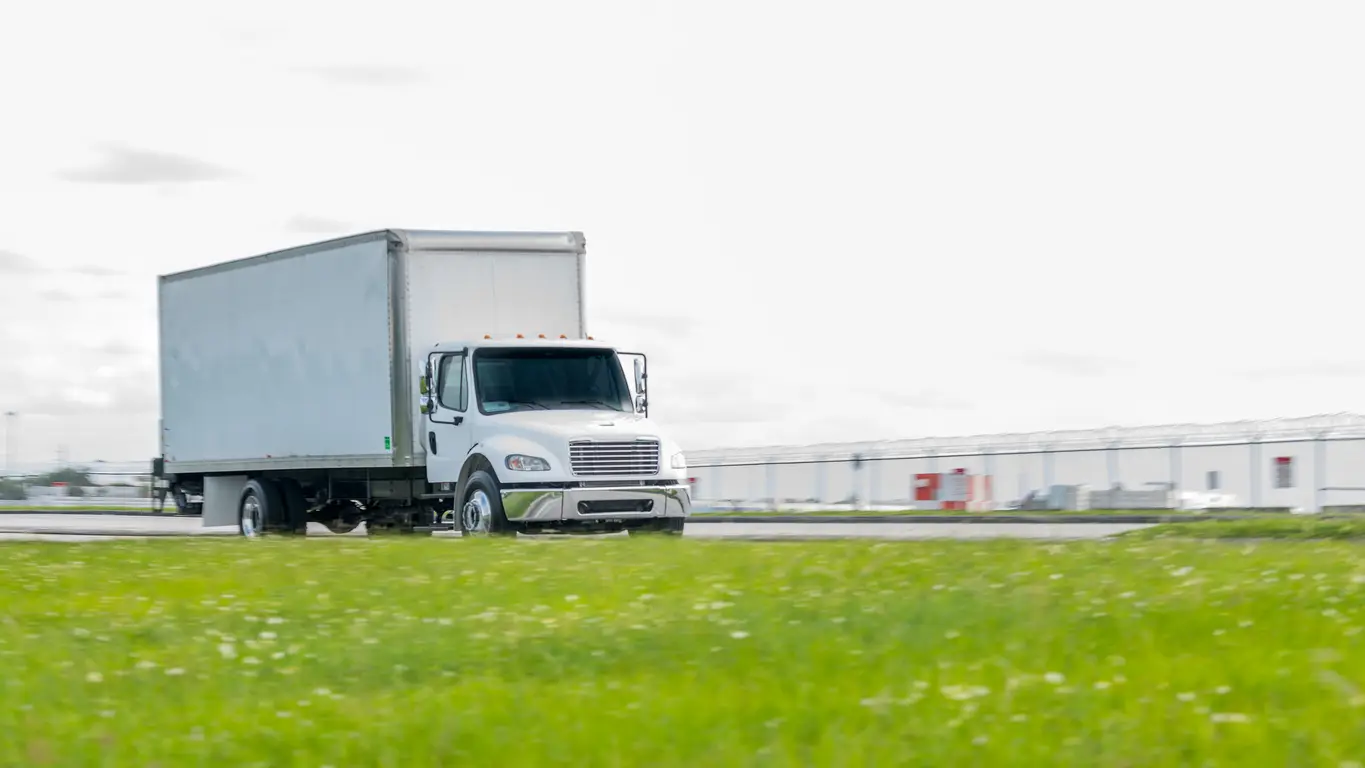
Last mile delivery insurance costs vary by vehicle, classification, and state. If you’re running your own box truck insurance route, your price depends on which tier you’re in. The exact 2026 numbers are below.
Quick Answer: Last-mile delivery insurance premiums generally fall between $3,600 and $15,000+ annually. Price depends on vehicle type, classification, and state.
- Gig/1099 drivers need while-under-dispatch and contingent cargo coverage.
- DSP contract carriers need commercial auto liability, cargo, and general liability at contract minimums, often $1,000,000.
- Owner-operators need the full stack. That means primary liability at FMCSA’s $750,000 floor, physical damage, cargo, general liability, and non-trucking liability or bobtail.
Key Takeaways
- Classification (gig, DSP contract carrier, or owner-operator) drives your coverage stack more than vehicle type alone.
- Personal auto excludes commercial delivery use at acceptance, not at impact.
- FMCSA’s floor is $750,000; brokers often require $1,000,000.
- Leasing on a carrier’s MC authority doesn’t guarantee insurance is included; confirm it in writing before you sign.
- Cargo claims follow Carmack Amendment timelines: 30 days to acknowledge, 120 to resolve.
What Does Last Mile Delivery Insurance Actually Cover?
Last mile delivery insurance is a coverage stack, not one policy. It covers the last leg of a shipment: the drive from a hub to a customer’s door.
That stack includes commercial auto liability, cargo coverage, general liability, and workers’ comp or occupational accident insurance. What you need depends on your classification:
- Gig/1099 platform drivers running personal vehicles under short, per-delivery dispatch.
- DSP/3PL contract carriers running box trucks or vans under a signed carrier agreement, including Amazon Relay gig-freight work.
- Independent owner-operators running their own MC authority.
The costliest mistake we see across all three: assuming a personal auto policy, or someone else’s platform insurance, already has you covered. It usually doesn’t.
2026 Last Mile Delivery Insurance Cost by Vehicle Type
| Vehicle Type | Annual Range (FL) | Primary Use |
| Cargo van | $2,400–$9,900 | Gig and DSP parcel delivery |
| Box truck (14–26 ft) | $4,000–$10,000 | DSP routes, local freight |
| Hot shot / flatbed-light | $6,000–$14,000 | Expedited last-mile |
| Straight truck | $6,000–$12,000 | Multi-stop local freight |
Box truck figures and Cargo van numbers reflect current market ranges, since cargo van isn’t yet a standalone dataset line. Where you operate has a major impact on pricing. A box truck based in Florida may pay around $4,000–$10,000 each year, whereas operators in Kansas often see rates closer to $3,000–$8,000.
Check out our licensed states page for state-specific coverage details.
Last Mile Delivery Insurance Cost by Classification
The same vehicle carries three different insurance obligations depending on who’s responsible for the coverage:
| Classification | Who Buys It | Cost Driver |
| Gig/1099 driver | Driver, coverage is thin | Per-mile or per-delivery |
| DSP contract carrier | Carrier, contract sets floor | Contract minimums, often $1M |
| Owner-operator | Owner, full authority holder | State filing, claims history |
We see operators discover the gap between these tiers at the worst time: after a claim. Know your tier before you buy coverage.
Leasing on doesn’t always mean insured. Some carriers lease drivers under their MC authority but expect the driver to source insurance separately. Confirm this in writing before you sign, not after your first load.
The Personal Auto Exclusion Problem
Every personal auto policy carries a business-use exclusion. It activates the moment you accept a paid delivery, not when an accident happens.
A driver has a minor accident mid-route and files on their personal policy. The insurer denies it once dispatch records surface. The driver is now personally on the hook.
While-under-dispatch and contingent cargo coverage close this gap. Both activate only during active deliveries, at a fraction of full commercial auto cost.
Core Coverage Checklist of Last Mile Delivery Insurance
- Commercial auto liability: bodily injury and property damage you cause to others; federal minimums are covered in the compliance section below.
- Motor truck cargo insurance: covers the packages, not the vehicle.
- General liability: covers non-auto incidents like a dropped package damaging a porch.
- Physical damage coverage: It includes both collision and comprehensive protection for your own truck or delivery vehicle.
- Occupational accident or workers’ comp: occ/acc covers 1099 contractors; W-2 drivers need actual workers’ comp.
- Hired and non-owned auto (HNOA): covers rented or borrowed delivery vehicles.
Bobtail vs. Non-Trucking Liability vs. While-Under-Dispatch
| Coverage | Applies When | Covers |
| Bobtail | Under dispatch, no trailer | Liability, no load attached |
| Non-Trucking Liability | Personal use, off dispatch | Liability for non-work driving |
| While-under-dispatch | Active delivery window | Gig/1099 delivery liability |
Bobtail and Non-Trucking Liability coverage work together, and many leased owner-operators choose to carry both policies.
State & Regulatory Compliance for Last Mile Delivery Insurance
Owner-operators running their own MC authority need three federal facts:
- FMCSA’s $750,000 floor applies to for-hire carriers over 10,001 lbs GVWR under 49 CFR Part 387. Brokers often contract for $1,000,000.
- MCS-90 guarantees payment to injured third parties even if your policy would otherwise exclude the loss.
- BOC-3 filing designates your process agents with FMCSA. A mismatch with FMCSA’s record is the top reason new authority stalls in “Pending.”
- A clean CSA (Compliance, Safety, Accountability) score also matters here. Brokers check it before approving a new carrier for loads.
See our MCS-90 guide and FMCSA safety ratings breakdown for more detail.
Common Mistakes That Cost Money
- Assuming platform insurance is primary coverage. It’s usually contingent, activating only after your own coverage fails.
- Skipping cargo coverage. A single lost high-value shipment can exceed what a small operator absorbs.
- Running a 1099 fleet without occ/acc. Contractors aren’t covered by state workers’ compensation.
- Not documenting residential deliveries. Disputed damage claims from in-home appliance and furniture drops are common; photo and timestamp every delivery.
- Missing the cargo claim clock. Carriers must acknowledge a claim within 30 days and resolve it within 120, per the Carmack Amendment. Don’t dispose of damaged freight before the carrier inspects it or waives inspection in writing.
24/7 certificate of insurance access matters here. Alvix Insurance Group clients get COI requests answered any time, including weekends. That matters when a broker needs proof before releasing a load.
FAQs
Conclusion
Last mile delivery insurance gets simple once you know your tier. Before selecting additional coverage, make sure your operation is classified correctly and build your insurance package accordingly.
Alvix Insurance Group has placed trucking and last-mile coverage since 2014. Coverage spans cargo vans, box trucks, and specialty vehicles across 23+ states.
Every client works with a dedicated account manager, not a call center queue. See our claims process guide before you call.
Ready to get your exact rate? Get Your Last Mile Delivery Insurance Quote
Questions about your setup? Contact Alvix Insurance Group directly.


