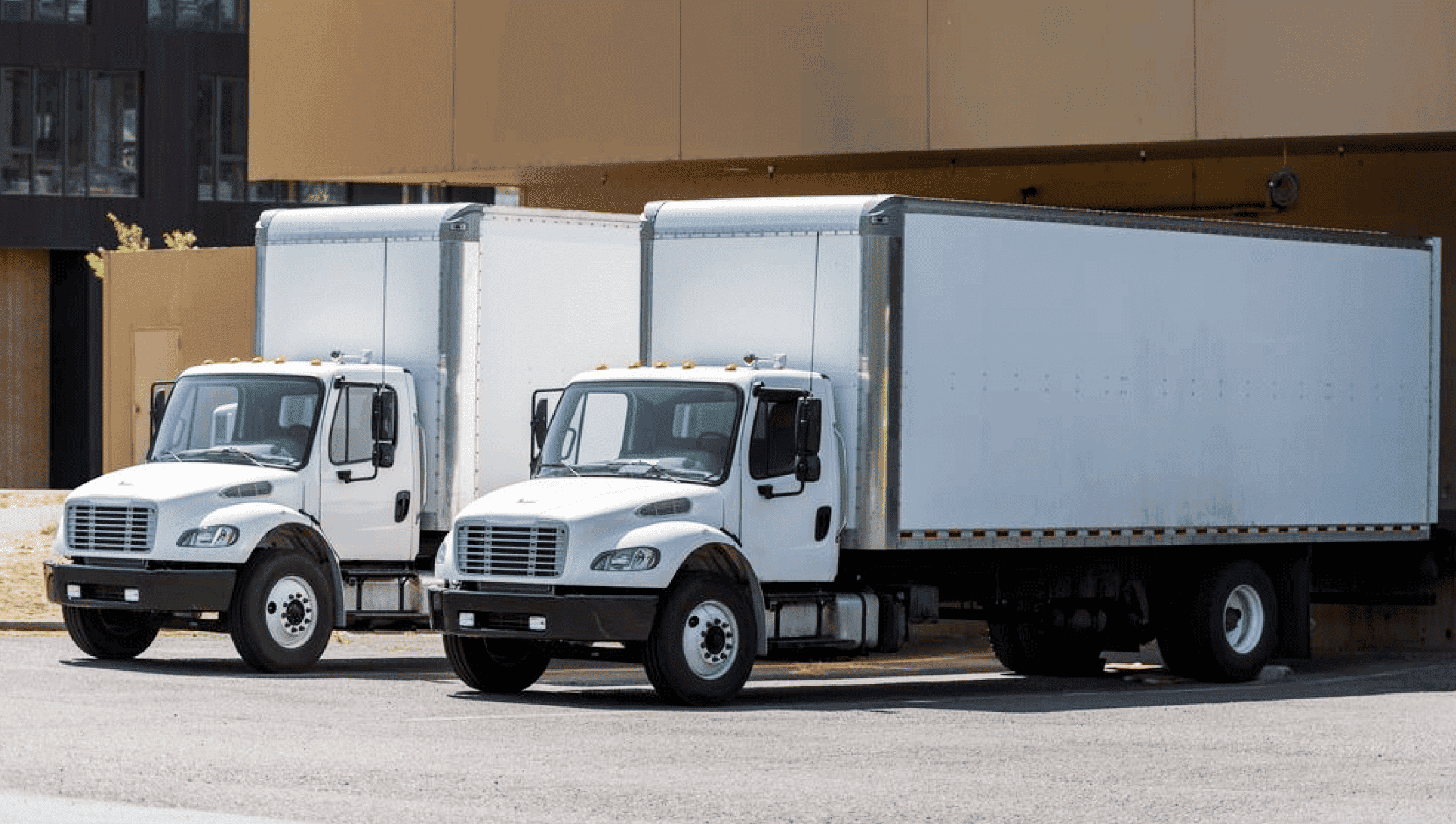
The U.S. domestic freight trucking industry reached $987 billion in revenue in 2023, according to the American Trucking Associations. Faster delivery demands and low market entry barriers have made local freight trucking essential to modern logistics. Local trucks operate within metropolitan areas rather than crossing state lines.
Because of their concentrated territory, local freight truckers face unique challenges. Hazards include one-way streets, pedestrians, cyclists, roundabouts, traffic lights, and tight loading docks. Securing the right local freight trucking insurance is critical for your company’s financial stability.
Quick Answer: Local freight trucking operates within metropolitan areas and faces unique daily risks. These include narrow roads, congestion, pedestrians, and tight loading docks. Securing the right local freight trucking insurance protects your business from financial loss. Coverage needs vary based on truck type, cargo, and business model.
Key Takeaways
- The U.S. domestic freight trucking industry reached $987 billion in revenue in 2023.
- Local truckers face unique risks like one-way streets, cyclists, and tight loading zones.
- Commercial auto liability is required in most states for local freight operations.
- Additional coverages like cargo, physical damage, and general liability fill critical gaps.
- Owner-operators may need nontrucking liability, bobtail, and trailer interchange coverage.
- Working with an experienced agent helps you customize the right policy for your business.
Insurance Requirements for Local Freight Trucking
Most states require local freight trucking companies to carry commercial auto liability insurance. This policy covers damages caused to others while operating a company vehicle. However, it does not cover vehicle damage or employee injuries.
To cover those areas, you need vehicle physical damage insurance and workers’ compensation insurance. Workers’ compensation is required in nearly every state, depending on company size and driver classification. Consider additional coverages to protect your assets beyond the legal minimum.
1. Physical Damage Insurance
This coverage includes collision and comprehensive protection for your company vehicles. Collision covers damages from accidents. Comprehensive protects against non-collision events like theft, fire, or vandalism.
2. General Liability Insurance
This policy covers damages or injuries caused by your operations when you are not driving a company truck. It helps with legal fees, settlements, medical expenses, and reputation costs. General liability is a critical layer of protection beyond commercial auto.
3. Motor Truck Cargo Insurance
If you haul goods, this insurance protects the value of your cargo if it is damaged, lost, or stolen. It also covers debris removal and freight charges if substitute transportation is needed. Premiums vary based on cargo type. Common exclusions include contraband, live animals, and goods damaged by poor packaging.
Special Considerations for Local Freight Trucking Insurance
Local trucking varies based on truck types, usage, and the nature of operations. Some specialized policies may be necessary based on your specific situation.
1. Nontrucking Liability (NTL)
Owner-operators working under a motor carrier contract may need nontrucking liability insurance. Most general liability policies only cover business use of the truck. NTL covers you during personal use of the vehicle.
2. Bobtail Insurance
Bobtail insurance covers you when driving the truck cab without a trailer attached. This is common for drivers under lease agreements. Check your policy to confirm what is and is not included.
3. Trailer Interchange Insurance
If you use trailers you do not own, this insurance covers physical damage to them while in your possession. This is important for carriers who regularly swap trailers with other companies. Without it, you may be liable for damage to equipment you do not own.
4. Commercial Fleet Insurance
If you operate multiple trucks, commercial fleet insurance is often more cost-effective than insuring each truck separately. Fleet policies simplify administration and provide consistent coverage across your entire operation. Growing companies benefit greatly from this approach.
5. Umbrella Insurance
For severe accidents or lawsuits exceeding your primary liability limits, umbrella insurance provides an extra layer of protection. It does not cover property damage but protects against claims for injuries or death. This coverage is wise for businesses with significant financial exposure.
6. Refrigeration Breakdown Insurance
If you operate refrigerated trucks, this insurance covers cargo loss from refrigeration equipment failure. Temperature-sensitive goods can suffer total loss from a single malfunction. This coverage prevents those losses from coming out of your pocket.
7. Permanently Attached Equipment Insurance
If your trucks have custom electronics or accessories, this coverage repairs or replaces them after a covered event. Standard policies may not protect permanently attached custom equipment. This add-on ensures nothing gets left uncovered.
8. Specialized Hauling Insurance
Depending on your cargo type, specialized insurance may be necessary for specific risk factors. Logging trucks, tanker trucks, and refrigerated trucks each carry unique risks. Matching your coverage to your cargo type prevents costly coverage gaps.
9. Business Owner’s Insurance
For truckers who own businesses, business owner’s insurance covers both property and liability risks. Commercial property insurance covers your physical locations. Employment practices liability insurance protects against employee-related legal claims.
Price and Cost Considerations for Local Freight Trucking Insurance
The cost of local freight trucking insurance depends on several factors. Understanding these helps you budget more wisely.
- Truck Type and Age: Newer vehicles may qualify for lower premiums due to better safety features. However, their repair or replacement cost can be higher.
- Cargo Type: Hazardous materials or high-value cargo often carry higher premiums due to increased risk.
- Driving History: A clean driving record lowers insurance costs. Past accidents or violations will raise them.
- Operating Radius: More densely populated areas increase accident probability and impact rates.
- Coverage Limits and Deductibles: Higher coverage limits and lower deductibles increase premiums but offer stronger protection.
- Technology Usage: Fleets with dashcams, GPS tracking, and telematics may qualify for discounts. Proactive risk management is rewarded by many insurers.
Working with an experienced trucking insurance agent helps you find the most cost-effective solutions for your operations.
Navigating the Complexity of Trucking Insurance
Insurance requirements for local freight trucking depend on freight type, business operations, and ownership structure. Working with an experienced local trucking insurance agent helps you tailor the right coverage for your needs. They can explain exclusions and build a plan that fits your specific business.
Conclusion
Local freight trucking faces unique risks that general commercial auto policies cannot fully address. The right combination of coverages protects your trucks, cargo, drivers, and business from costly surprises. Building the right insurance portfolio starts with understanding your specific operational risks.
Contact Alvix Insurance Group to get a customized local freight trucking insurance quote today. Their team helps local carriers build comprehensive, compliant policies at competitive rates.


