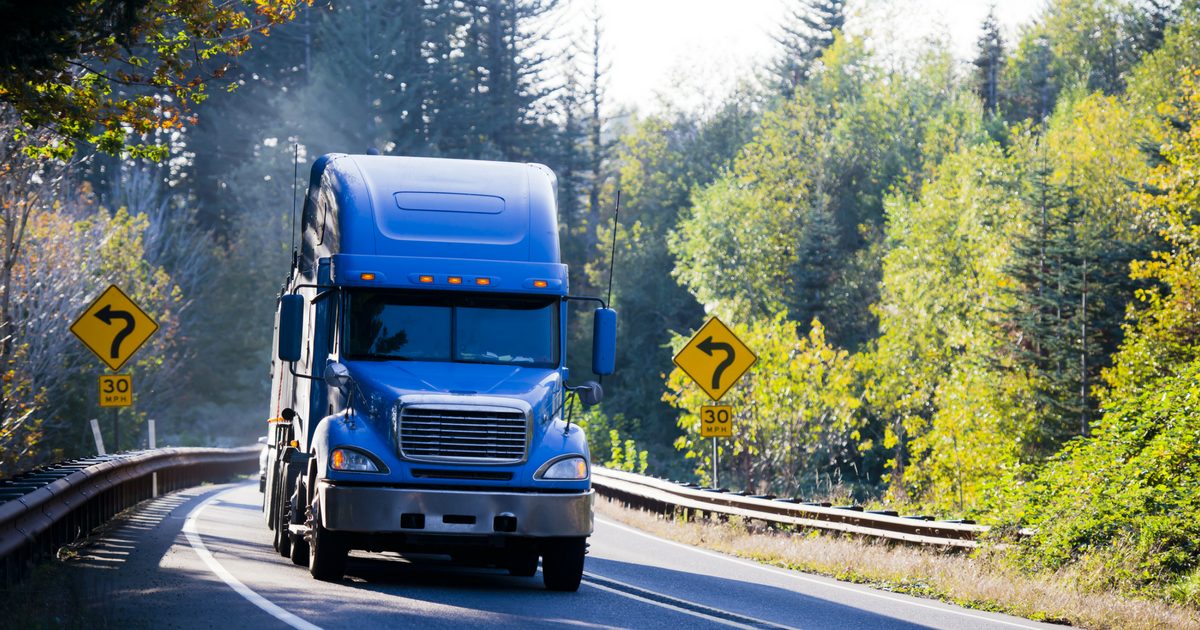
Palm Coast is a fast-growing logistics hub in Northeast Florida. It sits right between Jacksonville and Daytona Beach. Trucking businesses here must have commercial truck insurance. It is a legal rule. It also acts as a financial safety net. It keeps your business running after accidents, cargo loss, or bad weather.
This guide covers everything Palm Coast trucking businesses need to know:
- Required coverage types
- Key freight routes
- Specialized policies
- How to find the right insurer for your fleet size and cargo type
Why Palm Coast Trucking Businesses Need Specialized Insurance
Florida’s trucking market has unique challenges. Standard auto policies do not cover these risks:
- Interstate exposure: I-95 connects major port cities through Palm Coast. This means fast, heavy traffic every day.
- Storm and weather risk: Florida faces hurricanes and floods. This increases physical damage claims.
- Regulatory compliance: Florida and federal FMCSA rules require minimum liability limits. These limits change based on cargo and driving radius.
- Mixed-use routes: Palm Coast blends highway freight and local delivery. This creates complex risk profiles.
A trucking policy is vital. One at-fault crash on I-95 can cause massive liability claims. Standard limits won’t be enough. This leaves your business personally at risk.
Key Trucking Routes and Their Insurance Implications
Knowing where your trucks drive helps you pick the right coverage.
Interstate 95 (I-95)
I-95 is the main freight route through Palm Coast. It links Jacksonville’s ports to Daytona Beach, Orlando, and South Florida. Trucks on this route face heavy traffic and frequent merges. Long-haul fatigue is also a risk. These factors increase liability and physical damage risks. Primary liability limits here must meet FMCSA interstate minimums.
U.S. Highway 1
U.S. 1 runs parallel to I-95. It is a key regional freight road. It handles local deliveries, building materials, and equipment hauling. It serves Palm Coast and Flagler County. The mix of residential and commercial traffic increases risks. Rear-end crashes and property damage are common here.
State Road 100 (SR-100)
SR-100 connects Palm Coast to inland farms and factories. Truckers haul farm goods, bulk items, and supplies here. You need cargo insurance that matches your freight value. Rural roads and slow emergency responses make accidents more costly.
Palm Coast Parkway and Local Delivery Roads
Belle Terre Parkway, Old Kings Road, and Palm Coast Parkway are vital. They serve last-mile delivery fleets box trucks, service vehicles, and light commercial units. These roads have frequent stops, foot traffic, and tight turns. This leads to more minor accidents.
Core Coverage Types for Palm Coast Trucking Operations
A strong trucking policy covers the exact risks of Palm Coast driving. It supports the specialized commercial transportation insurance Palm Coast demands.
Primary Liability Insurance
Required by law. It covers bodily injury and property damage if your driver causes a crash. Interstate carriers must meet FMCSA minimums (usually $750,000–$1,000,000 based on cargo). Intrastate carriers must follow Florida DOT rules.
Physical Damage Coverage
This pays to fix or replace your truck. It covers collisions, theft, vandalism, and weather damage. Florida faces many storms. You strongly need comprehensive physical damage coverage. It is vital for fleets parked in flood zones.
Cargo Insurance
This protects your freight from transit damage or loss. Your limits should match the top value of a single load. High-value retail, electronics, or temp-sensitive cargo need higher limits. Construction materials or raw goods need standard limits.
General Liability Insurance
This covers risks outside of driving. It includes loading accidents, third-party property damage, and warehouse issues. Shippers and brokers often require this to do business.
Bobtail / Non-Trucking Liability
This covers owner-operators driving without a trailer. It also covers non-business use. A motor carrier’s primary policy usually does not cover these situations.
Specialized Policies by Truck Type and Operation
Different trucks and freight types have unique risks. Palm Coast operators often ensure:
| Operation Type | Key Coverage Consideration |
|---|---|
| Dump trucks | High payload weights increase liability severity, construction site coverage needed |
| Flatbed trucks | Cargo securement liability, oversized load permits and escort requirements |
| Refrigerated trucks | Spoilage coverage in addition to standard cargo protection |
| Tow trucks | On-hook towing liability; garage keeper’s legal liability |
| Hot shot trucks | Expedited freight; non-trucking liability for bobtail use |
| Tractor-trailers | FMCSA interstate minimums; higher cargo and liability limits |
| Moving trucks | Released value vs. full value cargo coverage options |
| Fuel/hazmat trucks | MCS-90 endorsement; hazardous materials liability |
| Auto transport | Garagekeepers and on-hook coverage for vehicles in transit |
| Owner-operators | Primary liability, physical damage, and bobtail liability as a package |
These specialized policies offer vital protection. They are based on your specific operational risks, cargo value, and vehicle type.
Coverage for Local, Regional, and Interstate Operations
Your driving radius impacts your insurance needs and costs:
- Local fleets (within Flagler County): You need Florida DOT minimum liability, physical damage, and cargo coverage. A smaller radius lowers your premium. But, stop-and-go traffic increases minor crash risks.
- Regional carriers (Jacksonville–Orlando corridor): You need scalable coverage. It must meet Florida intrastate rules. Multi-stop routes lead to more cargo handling claims.
- Interstate truckers (East Coast freight lanes): You must meet FMCSA minimums. Long trips cross state lines. Highway fatigue increases risks. You need higher liability limits and full physical damage coverage.
What Affects Your Commercial Truck Insurance Rate in Palm Coast
Insurers price Florida trucking policies using several details:
- Driver history – MVR records, CDL violations, and years of experience
- Vehicle age and type – Newer trucks with safety technology typically earn lower physical damage rates
- Cargo classification – Hazardous materials, high-value goods, and temperature-sensitive freight carry higher cargo premiums
- Operating radius – Interstate operations cost more than local delivery coverage
- Fleet size – Volume discounts often apply above 5–10 units
- Claims history – Prior losses in the past 3–5 years are heavily weighted
New trucking businesses and owner-operators can save money. You can lower early premiums by taking safety programs. Using dashcams helps. Keeping clean MVR records for all drivers is crucial.
Compliance Requirements for Florida Trucking Businesses
Florida trucking companies must maintain:
- FMCSA operating authority (for interstate carriers) with proof of liability coverage filed via MCS-90 or BMC-91 forms
- Florida DOT registration for intrastate commercial vehicles over 26,000 lbs GVWR
- Minimum liability limits vary by cargo type and vehicle weight
- Cargo insurance often required by shippers and freight brokers as a contract condition
Failure to maintain proper coverage can result in DOT violations, loss of operating authority, and personal liability exposure after an accident.
Getting the Right Policy for Your Palm Coast Trucking Business
The best commercial truck insurance policy for your Palm Coast fleet depends on your routes, truck types, cargo, and fleet size. Alvix Insurance Group specializes in custom trucking coverage. We help Florida operators. This includes single-truck owner-operators and multi-unit regional fleets.
To get an accurate quote, have these details ready:
- VIN and year/make/model for each truck
- Driver list with CDL numbers and MVR consent
- Description of cargo types and average haul distances
- Current or past insurance declarations page (if applicable)
Contact Alvix Insurance Group to compare your coverage options. We confirm compliance with Florida and federal laws. We will build a policy that protects your trucks, drivers, and business.


