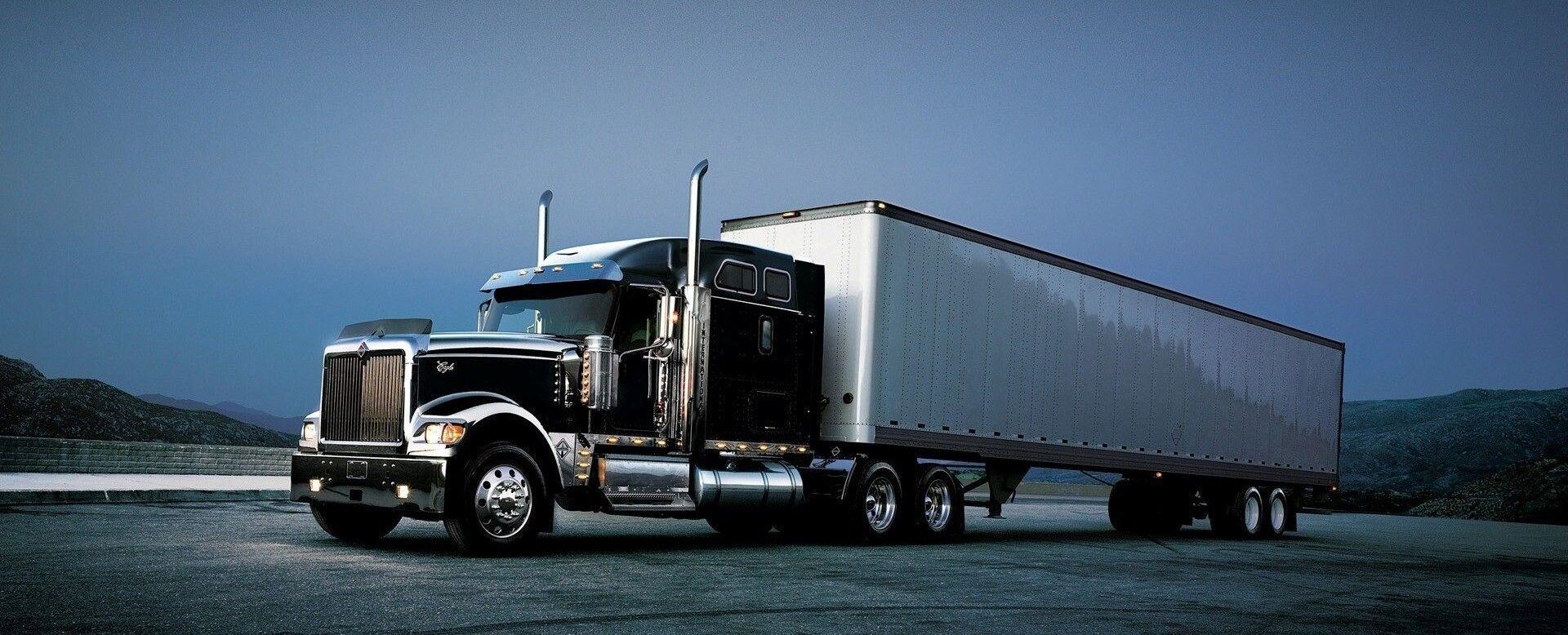
Port St. Lucie has become a growing transportation and logistics hub on Florida’s east coast, with constant movement of commercial trucks, delivery vehicles, and freight carriers. Having the right commercial truck insurance Port St. Lucie coverage is essential for protecting daily operations and staying compliant.
Whether you operate one truck or a fleet, reliable Port St. Lucie trucking insurance and commercial vehicle insurance Port St. Lucie help protect your vehicles, cargo, drivers, and business from accidents, lawsuits, and unexpected losses.
Why Port St. Lucie Is a High-Activity Trucking Zone
Port St. Lucie supports both local and interstate freight movement through major highways, state roads, and urban delivery routes. Trucks regularly transport construction materials, retail goods, and commercial shipments across the region. Due to heavy traffic and daily freight activity, many businesses depend on experienced Port St. Lucie truck insurance companies to find the best truck insurance in Port St. Lucie for their operations.
Navigating Major Trucking Routes
Commercial vehicles in the city commonly operate on:
- I-95 for long-haul freight transportation
- Florida’s Turnpike for regional and interstate routes
- US 1 for local deliveries and commercial transport
- State Road 70 connecting inland industrial areas to coastal destinations
Frequent highway congestion and cargo exposure increase the need for dependable commercial auto insurance Port St. Lucie coverage.
Why Every Commercial Vehicle Needs Insurance
Operating a truck without proper insurance creates serious financial and legal risks. The right coverage helps businesses:
- Stay compliant with FMCSA and Florida regulations
- Protect against lawsuits, medical expenses, and vehicle repairs
- Cover cargo theft, loss, or damage
- Reduce downtime after accidents or roadside incidents
Businesses searching for Port St. Lucie semi truck insurance often require policies that include both liability and cargo protection to ensure full operational security.
Types of Commercial Trucks That Need Coverage
The trucking industry in Port St. Lucie includes many vehicle types, each requiring specialized protection. Commonly insured vehicles include:
- Semi-trucks and tractor trailers
- Delivery vans and box trucks
- Refrigerated vehicles
- Flatbeds and heavy haulers
- Construction and utility trucks
- Tankers and specialty carriers
Companies often seek Port St. Lucie box truck insurance for local delivery operations, especially with the rise of eCommerce and warehouse distribution.
Industry-Specific Truck Insurance Solutions
Different trucking operations face different levels of risk. Many operators require specialized coverage options such as:
- Dump truck insurance Port St. Lucie for construction and debris hauling
- Tow truck insurance Port St. Lucie for roadside recovery businesses
- Hot shot truck insurance Port St. Lucie for expedited freight services
- Refrigerated truck insurance Port St. Lucie for temperature-sensitive cargo
- Flatbed truck insurance Port St. Lucie for machinery and building materials
- Hazmat truck insurance Port St. Lucie for chemical and fuel transportation
- Tanker truck insurance Port St. Lucie for liquid cargo operations
- Tractor trailer insurance Port St. Lucie for long-distance freight carriers
- Construction truck insurance Port St. Lucie for heavy-duty work vehicles
- Owner operator truck insurance Port St. Lucie for independent drivers
- Fleet truck insurance Port St. Lucie for multi-vehicle businesses
- Long haul truck insurance Port St. Lucie for interstate operations
- Regional truck insurance Port St. Lucie for mid-range freight routes
- Local delivery truck insurance Port St. Lucie for urban transportation services
- Cargo insurance Port St. Lucie to protect transported goods
These specialized policies help trucking businesses stay compliant while protecting valuable assets and cargo.
Coverage Options Trucking Businesses Should Consider
A comprehensive trucking insurance policy may include:
- Auto liability coverage
- Physical damage coverage
- Motor truck cargo insurance
- Trailer interchange coverage
- General liability protection
- Collision and comprehensive coverage
Many businesses compare full coverage truck insurance Port St. Lucie and liability only truck insurance Port St. Lucie options depending on fleet size and operational risk. Others invest in comprehensive truck insurance Port St. Lucie and collision coverage truck insurance Port St. Lucie for greater protection.
Insurance Solutions for New and Growing Trucking Businesses
New trucking businesses often need affordable yet compliant policies. Common coverage searches include:
- Startup trucking insurance Port St. Lucie
- Insurance for trucking startups Port St. Lucie
- Single truck insurance Port St. Lucie
- Multi truck insurance Port St. Lucie
- Independent contractor truck insurance Port St. Lucie
- New authority truck insurance Port St. Lucie
Many operators also ask how much is commercial truck insurance in Port St. Lucie before launching their business. Costs vary depending on truck type, cargo, routes, and driving history. Businesses can often get a quote for commercial truck insurance Port St. Lucie quickly through experienced providers.
Compliance and Regulatory Requirements
Commercial trucking companies must comply with state and federal regulations. This includes:
- FMCSA compliant truck insurance Port St. Lucie coverage
- Meeting DOT truck insurance requirements Port St. Lucie
- Maintaining minimum liability truck insurance Port St. Lucie
- Understanding Port St. Lucie commercial vehicle insurance laws
- Completing trucking insurance filing requirements Port St. Lucie
Working with knowledgeable local truck insurance agents Port St. Lucie can simplify compliance and help businesses avoid penalties.
Why Local Insurance Expertise Matters
Truck insurance providers familiar with the Port St. Lucie market understand:
- Regional traffic patterns and accident risks
- Florida transportation regulations
- Seasonal weather concerns and storm exposure
- Common freight industries operating in the area
This local expertise allows insurers to provide more accurate and practical coverage solutions for trucking businesses.
Final Thoughts
Port St. Lucie’s growing trucking industry creates new business opportunities, but it also comes with increased risks on the road. The right commercial trucking insurance helps protect your vehicles, cargo, drivers, and operations while keeping your business compliant and secure.
Alvix Insurance Group provides tailored trucking insurance solutions to owner-operators and fleets across Port St. Lucie.


