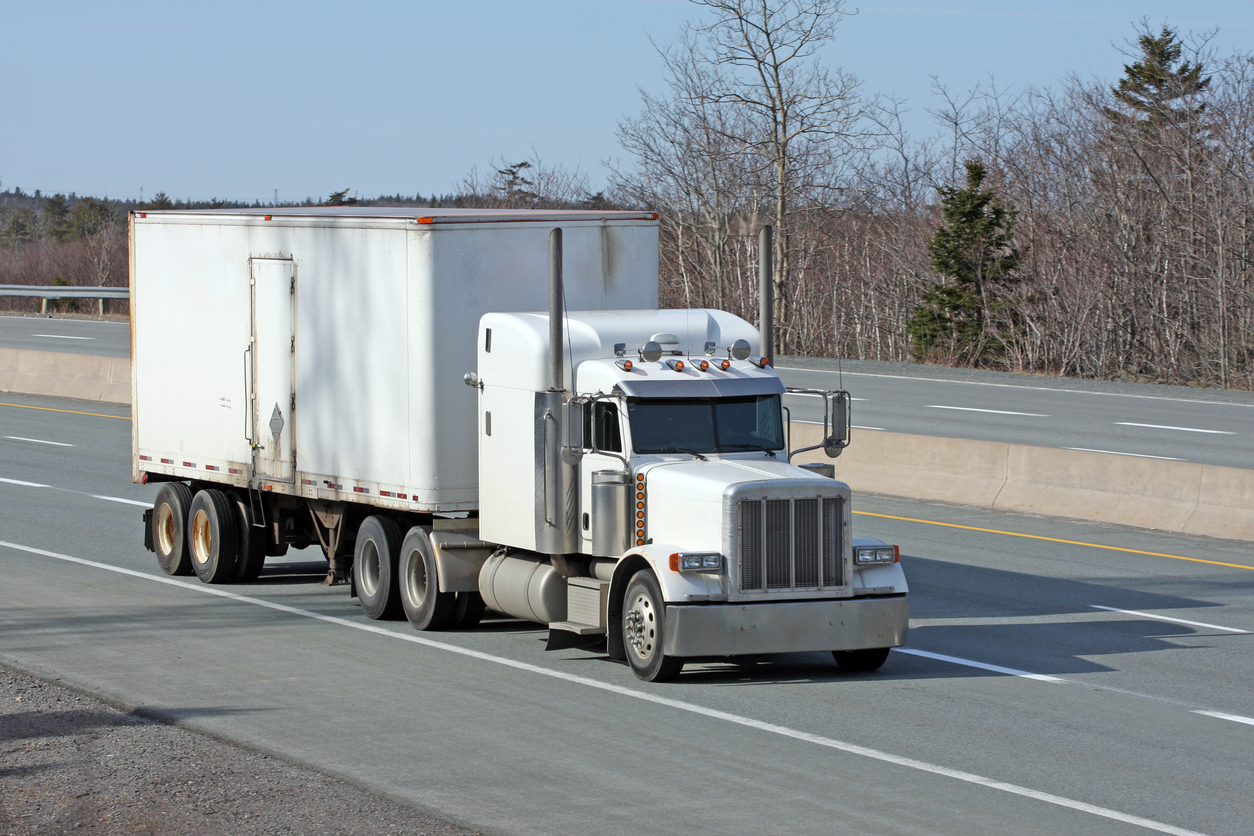
Quick Answer: Commercial trucking insurance in Colorado costs $9,000 to $16,000 per year for a semi-truck with a clean record. Intrastate for-hire carriers must satisfy both FMCSA federal minimums and Colorado PUC Form E filing requirements. As of August 2025, a new state Motor Carrier ID rule is stalling authorities for carriers whose agents missed the change. This guide covers real costs, that filing rule, coverage types, and Colorado-specific risks.
Key Takeaways
- Colorado requires both FMCSA filings and state PUC Form E for intrastate for-hire carriers
- Since August 2025, Form E must include your Colorado Motor Carrier ID. A USDOT number alone is not enough
- Semi-truck liability runs $9,000–$16,000 per year; physical damage costs more here due to hail and mountain-grade risk
- New authority (under 1 year) pays 25–40% above established-carrier rates
- More than 13,000 trucking companies operate in Colorado
How Much Does Commercial Trucking Insurance Cost in Colorado?
Colorado is mid-range nationally, but two factors push physical damage premiums above the national average: hail season and mountain-grade accident exposure.
| Vehicle Type | Liability (Annual) | Key Cost Driver |
|---|---|---|
| Semi-truck / tractor-trailer | $9,000 – $16,000 | Mountain routes, hail, driving record |
| Local delivery / box truck | $3,000 – $6,000 | Urban density, Denver metro traffic |
| Dump truck | $8,000 – $15,000 | Job-site risk, tip-over frequency |
| Flatbed | $8,500 – $15,500 | Cargo securement claims on grades |
| Tank truck (hazmat) | $11,000 – $18,000+ | Federal $1M+ minimum, spill liability |
| New authority (under 1 year) | 25–40% above established rates | No claims history |
Physical damage adds $1,000–$5,000 annually on top of liability, depending on vehicle value and garaging location.
What Moves Your Premium
Factors you control:
- CSA (Compliance, Safety, Accountability) score. A clean MVR and low CSA score is the single biggest lever. Alert-threshold BASIC scores can add 20–40% to your premium.
- Telematics and dash cams. Forward-facing cameras and ELD-integrated telematics can unlock 5–15% discounts with Colorado-active insurers.
- Years of authority. New-entrant carriers pay elevated rates for 1–3 years until they build claims history.
Factors Colorado adds:
- I-70 mountain corridor exposure. Underwriters have zip-code-level loss data and price accordingly.
- Front Range hail frequency. Physical damage rates in high-exposure counties are higher than national averages.
Colorado PUC Filing: Form E and the 2025 Motor Carrier ID Rule
Colorado uses two separate regulatory systems: FMCSA governs interstate operations; the state PUC governs intrastate for-hire carriers. Running both types of freight means satisfying both. If you are still building your operating authority, understanding which system applies to your loads is the first compliance step.
1. What Form E Is
Form E is the liability certificate your insurer files directly with the Colorado PUC. It confirms your coverage meets state financial responsibility standards under PUC Rule 6008. Your insurer submits it electronically; you cannot file it yourself. If your policy lapses for any reason, the PUC suspends your intrastate authority automatically.
A USDOT number alone does not activate Colorado intrastate authority. Many carriers discover this only after their first load is ready to move.
2. The August 2025 Motor Carrier ID Change
Since August 2025, Form E filings must include your state-issued Colorado Motor Carrier ID, not just your USDOT or MC number. A filing submitted without it returns a “no hit” error in the PUC portal, and your authority stays inactive until corrected.
This caught many carriers off guard because their agents, especially those less familiar with Colorado-specific rules, did not know the ID was a separate required field. The policy was valid and the premium was paid. The filing was still wrong.
Action: Ask your agent to verify your Colorado Motor Carrier ID appears in the PUC portal record before your next renewal.
3. Which Filing Applies to You
| Situation | Filing Required | Filed With |
|---|---|---|
| All loads within Colorado | Form E + PUC permit | Colorado PUC |
| Any crossing into NM, WY, KS, UT | MCS-90 endorsement | FMCSA |
| Both intrastate and interstate loads | Form E and MCS-90 | Both agencies |
Coverage Types Every Colorado Carrier Needs
A policy built only to the legal minimum leaves gaps that appear at claim time, not at binding.
- Primary truck liability insurance covers third-party bodily injury and property damage while under dispatch. The federal minimum for general freight is $750,000, but most Colorado freight brokers and shippers require $1,000,000 CSL. Carrying the legal minimum locks you out of a large share of available loads.
- Physical damage protection coverage pays for your truck after a collision, hail strike, or theft. Set limits at replacement cost, not depreciated book value. A $120,000 truck does not become a $75,000 risk because it is three years old.
- Cargo freight insurance protection covers freight you are hauling if it is damaged, lost, or stolen. Reefer loads, hazmat, and high-value freight each carry specific coverage needs beyond a base cargo policy.
- General liability insurance coverage covers non-driving incidents: slip-and-falls at loading docks, third-party injuries on your premises.
- Trailer interchange insurance protection covers trailers you do not own but have in your possession under an interchange agreement.
- Occupational accident insurance coverage fills the medical and lost-income gap for owner-operators without workers’ compensation.
Owner-Operators vs. Leased Operators: A Critical Distinction
If you run under a carrier’s authority, their primary liability covers you while under dispatch only. You are personally responsible for:
- Non-trucking liability (bobtail insurance): covers you when driving off dispatch. Your personal auto policy excludes commercial vehicles. Without bobtail coverage, you have zero liability protection between hauls.
- Physical damage: the carrier’s policy never covers your truck.
- Occupational accident: unless the carrier extends coverage to leased operators.
The premium difference is significant. A leased owner-operator typically pays $250–$500/month. An independent owner-operator under their own MC pays $750–$1,300/month for the full stack.
Owner-operator insurance options vary by insurer, especially on new authority, CSA thresholds, and cargo type.
Colorado-Specific Risks That Drive Your Premium
1. I-70 Mountain Corridor
The I-70 corridor (Eisenhower Tunnel at 11,158 ft, Vail Pass, Glenwood Canyon) concentrates risk that underwriters price at the route level. Carriers running this corridor regularly should confirm physical damage limits cover actual replacement cost and that cargo coverage matches full load value.
2. Hail Season: May Through August
The Front Range and Eastern Plains rank among the highest hail-frequency zones in the country. A single storm can total parked trucks in 30 minutes. Physical damage coverage priced off national averages underestimates Colorado’s actual exposure.
How location impacts trucking insurance costs is more significant in Colorado than most states. A single carrier can run Denver metro routes and mountain hauls in the same week.
Colorado’s Major Freight Cities
Colorado’s Colorado Motor Carriers Association counts more than 13,000 trucking companies statewide. Major freight corridors include:
- Denver: the state’s primary freight hub at the I-25/I-70 intersection; highest urban claims frequency
- Colorado Springs: military logistics, manufacturing, and distribution
- Fort Collins: I-25 cross-border corridor to Wyoming
- Pueblo: industrial steel and agricultural freight via I-25 and US-50
- Aurora and Thornton: Denver metro distribution and warehouse freight
Get Your Colorado Trucking Insurance Quote
Alvix Insurance Group has placed commercial trucking policies since 2014. Alvix handles both PUC and FMCSA filings, including the August 2025 Colorado Motor Carrier ID rule that has stalled carriers working with less Colorado-familiar agents. 24/7 certificate of insurance access means a COI request does not wait until Monday.
Get your free Colorado trucking insurance quote: a rate built around your fleet, routes, and cargo, not a national average.
Questions? Contact Alvix Insurance Group directly at (305) 909-6444.
FAQs
Conclusion
Commercial trucking insurance in Colorado requires navigating two regulatory systems simultaneously: FMCSA for interstate loads and the Colorado PUC for intrastate operations. The August 2025 Motor Carrier ID rule has made the state filing more complex, and the combination of hail frequency and mountain-grade risk makes physical damage pricing genuinely different here than in neighboring states.
Alvix Insurance Group handles both filing systems, both risk profiles, and both types of operations. The same account manager covers your full Colorado authority.
Request your free Colorado trucking insurance quote to get a rate that reflects where you actually run.


