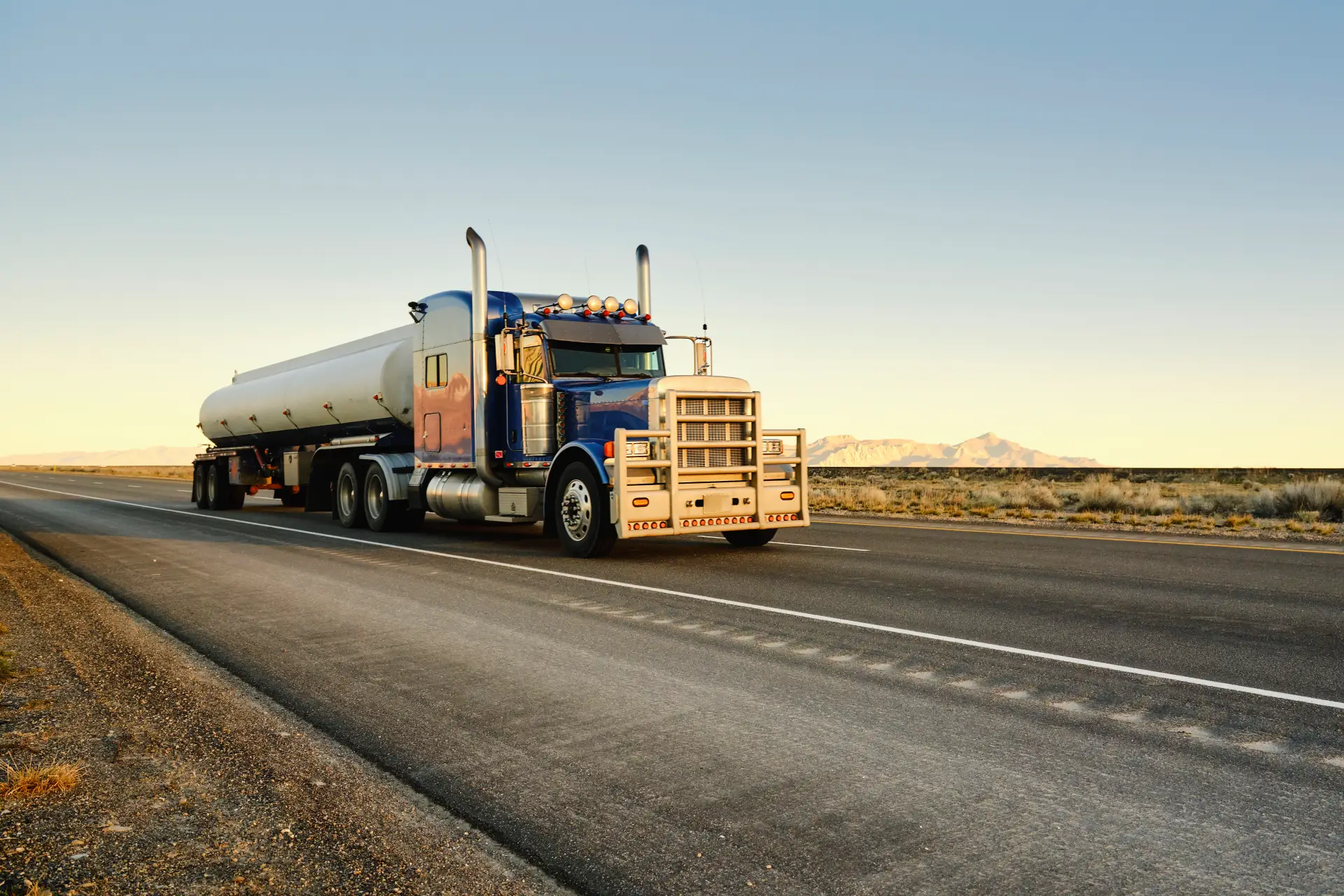
Hauling gasoline, diesel, or jet fuel down the interstate is nothing like hauling dry freight. When you operate in this sector, having proper Fuel Truck Insurance is absolutely critical. A single rollover or fuel spill can trigger six-figure cleanup bills, environmental fines, and lawsuits that a standard commercial auto policy was never built to handle.
That’s why Fuel Truck Insurance, also called fuel hauler insurance, tanker truck insurance, or hazmat truck insurance, exists as its own specialized coverage category, separate from general trucking insurance.
This guide breaks down exactly what fuel truck insurance covers, how much it costs in 2026, the FMCSA requirements you’re legally required to meet, and how to find the right policy whether you’re an owner-operator or running a petroleum fleet.
Key Takeaways
- Fuel and hazmat carriers must meet FMCSA liability requirements of $1 million to $5 million, depending on the cargo transported.
- Standard commercial truck insurance typically does not cover pollution or hazardous materials, making specialized fuel truck insurance essential.
- Fuel truck insurance costs generally range from $12,000 to $35,000+ per year, based on risk factors and operations.
- BMC-91 (or BMC-91X) and an MCS-90 endorsement are required to activate FMCSA operating authority.
- Pollution liability coverage protects against fuel spill cleanup and environmental damage, which standard liability policies usually exclude.
What Is Fuel Truck Insurance?
Fuel truck insurance is a specialized commercial insurance package for carriers transporting petroleum products like gasoline, diesel, jet fuel, and heating oil in tanker trailers. Since these fuels are classified as hazardous materials (hazmat), the policy includes essential coverages such as pollution liability, hazmat cargo insurance, and higher liability limits that standard trucking insurance typically excludes.
Because fuel hauling involves greater environmental and financial risks, many standard commercial auto insurers either limit coverage or decline these operations. As a result, fuel haulers often rely on specialty insurance providers that understand tanker operations, hazmat regulations, and FMCSA compliance.
Who Needs Fuel Truck Insurance?
You need dedicated fuel hauler insurance if you fall into any of these categories:
- Owner-operators hauling gasoline, diesel, or other petroleum products under their own authority.
- Petroleum fleet managers operating multiple fuel tanker trucks.
- Hazmat trucking companies transporting DOT Class 3 flammable liquids.
- New motor carriers entering the fuel hauling industry.
- Fuel delivery businesses serving gas stations, construction sites, farms, and residential customers.
- Bulk petroleum transporters moving fuel between refineries, terminals, and distribution centers.
If your trucks carry any quantity of fuel classified under 49 CFR 172.101 as hazardous, federal law requires you to carry hazmat-compliant insurance. There’s no exemption for small operators or short hauls.
What Does Fuel Truck Insurance Actually Cover?
A complete fuel hauler policy is built from several coverage layers stacked together. Here’s what a properly structured policy includes:
| Coverage Type | What It Protects Against |
|---|---|
| Primary Auto Liability | Bodily injury and property damage |
| Pollution Liability | Fuel spills, cleanup and environmental damage |
| Cargo Insurance for Fuel | Loss or damage to transported fuel |
| Physical Damage | Truck & tanker repair or replacement |
| Umbrella Liability | Extra protection for large claims |
| General Liability | Non-driving business-related risks |
Pollution Liability Explained
Standard commercial truck insurance typically excludes pollution-related claims. If your tanker causes a fuel spill, it may not cover cleanup costs, environmental damage, or third-party claims. That’s why pollution liability coverage is essential for fuel haulers transporting petroleum products.
Tanker and Hazmat Endorsements
Beyond the base auto policy, insurers add tanker endorsements and hazmat endorsements that specifically underwrite the risks of transporting flammable liquids in bulk, including rollover risk, static discharge, and overfill incidents during loading and unloading.
What Fuel Truck Insurance Does NOT Cover
Even a strong fuel hauler policy typically excludes:
- Intentional acts or gross negligence
- Damage from operating outside your filed radius or authority
- Cargo not declared on your policy
- Wear-and-tear or mechanical breakdown of the tanker
- Employee injuries (this requires a separate workers’ compensation policy)
How Much Does Fuel Truck Insurance Cost in 2026?
Fuel truck insurance costs significantly more than standard trucking insurance because of the elevated liability limits and pollution exposure. Fuel truck insurance costs more due to higher risks like fire, spills, and increased liability.
Here’s a realistic 2026 cost breakdown:
| Factor | Typical Annual Premium Range |
|---|---|
| Owner-operator, single tanker, clean record | $12,000 – $20,000 |
| Owner-operator, new authority (first year) | $18,000 – $30,000+ |
| Small fleet (3–10 tankers) | $10,000 – $18,000 per unit |
| Bulk fuel/petroleum carrier ($5M liability) | $20,000 – $35,000+ per unit |
| Pollution liability add-on (standalone) | $2,500 – $8,000 |
| Cargo insurance for fuel | $1,500 – $5,000 |
Factors Affecting Cost of Fuel Truck Insurance
Several variables move your fuel truck insurance cost up or down:
- Liability limit required — $1M non-bulk vs. $5M bulk hazmat coverage
- Radius of operation — local delivery routes typically cost less than long-haul interstate runs
- Driving and safety record — CSA scores, accident history, and driver CDL/hazmat endorsement history
- Years of authority — new MC authority holders pay a “new venture” surcharge, often 20–40% higher
- Tanker size and cargo type — gasoline and jet fuel are priced differently than diesel or heating oil
- Claims history — prior pollution or cargo claims significantly raise premiums
Ways to Reduce Fuel Truck Insurance Costs
- Maintain a clean CSA/SMS safety score and address violations quickly
- Bundle primary liability, cargo, and pollution coverage with one specialty carrier
- Install telematics and driver-monitoring systems many insurers reward with discounts
- Increase deductibles on physical damage coverage if cash flow allows
- Work with a broker who specializes in hazmat and fuel hauler placements rather than a generalist agency
FMCSA Requirements for Fuel Truck Operators
Since fuel is a Hazard Class 3 flammable liquid, FMCSA regulations (49 CFR Part 387) require fuel haulers to maintain higher liability insurance limits. Always verify the latest insurance requirements on the official FMCSA website before purchasing a Fuel Truck Insurance policy.
| Cargo Type | FMCSA Minimum Liability |
|---|---|
| General freight (non-hazmat) | $750,000 |
| Oil and non-hazmat petroleum products | $1,000,000 |
| Non-bulk hazmat (under 3,500-gallon cargo tanks) | $1,000,000 |
| Bulk hazmat (over 3,500-gallon cargo tanks) | $5,000,000 |
| Explosives, poison gas, or high-consequence radioactive material | $5,000,000 |
Key compliance points every fuel hauler needs to know:
- BMC-91/BMC-91X: Filed by your insurer with the FMCSA as proof of required liability coverage.
- MCS-90 Endorsement: Guarantees payment of claims up to federally required liability limits.
- Driver Requirements: Fuel haulers need a Hazmat (H) endorsement on their CDL and may also require a TWIC card for certain ports and terminals.
- Active Filings: Lapsed FMCSA filings can suspend your operating authority, even if your policy remains active.
- State Rules: Some states require additional intrastate insurance beyond FMCSA minimums.
Best Insurance for Fuel Haulers
Because fuel and hazmat trucking is a specialized risk, many standard commercial auto insurers either decline coverage or charge higher premiums. The best protection comes from insurance providers that understand tanker operations, pollution liability, cargo risks, and FMCSA compliance.
Alvix Insurance Group helps fuel haulers, owner-operators, and fleet owners secure customized coverage, including primary liability, pollution liability, and cargo insurance. Choosing a provider that can bundle these coverages into one policy can simplify claims, improve protection, and help manage insurance costs.
How to Get Fuel Truck Insurance Quotes Online
- Gather your MC/DOT number, business details, cargo type, operating radius, and tanker information.
- Ensure drivers have a CDL with a Hazmat endorsement, and a TWIC card if required.
- Compare quotes from specialized agencies like Alvix Insurance Group that understand hazmat and tanker insurance.
- Review liability limits, pollution coverage, cargo protection, and confirm BMC-91/91X and MCS-90 filings are included before purchasing.
Common Mistakes Fuel Haulers Make
- Assuming a standard commercial auto policy already includes pollution or hazmat coverage (it rarely does)
- Under-declaring cargo class to save on premium, which can void coverage after a claim
- Letting BMC-91 or MCS-90 filings lapse during a carrier switch, which suspends operating authority
- Carrying only the FMCSA minimum liability instead of adding excess/umbrella coverage for catastrophic claims
- Shopping only on price instead of comparing pollution sub-limits and claims-handling reputation
Final Thoughts
Fuel hauling requires specialized insurance that goes beyond a standard commercial truck policy. The right combination of liability, pollution, and cargo coverage helps protect your business, meet FMCSA requirements, and reduce costly risks.
Need the right coverage at the right price? Contact Alvix Insurance Group today for a customized fuel truck insurance quote and expert guidance tailored to your operation.


