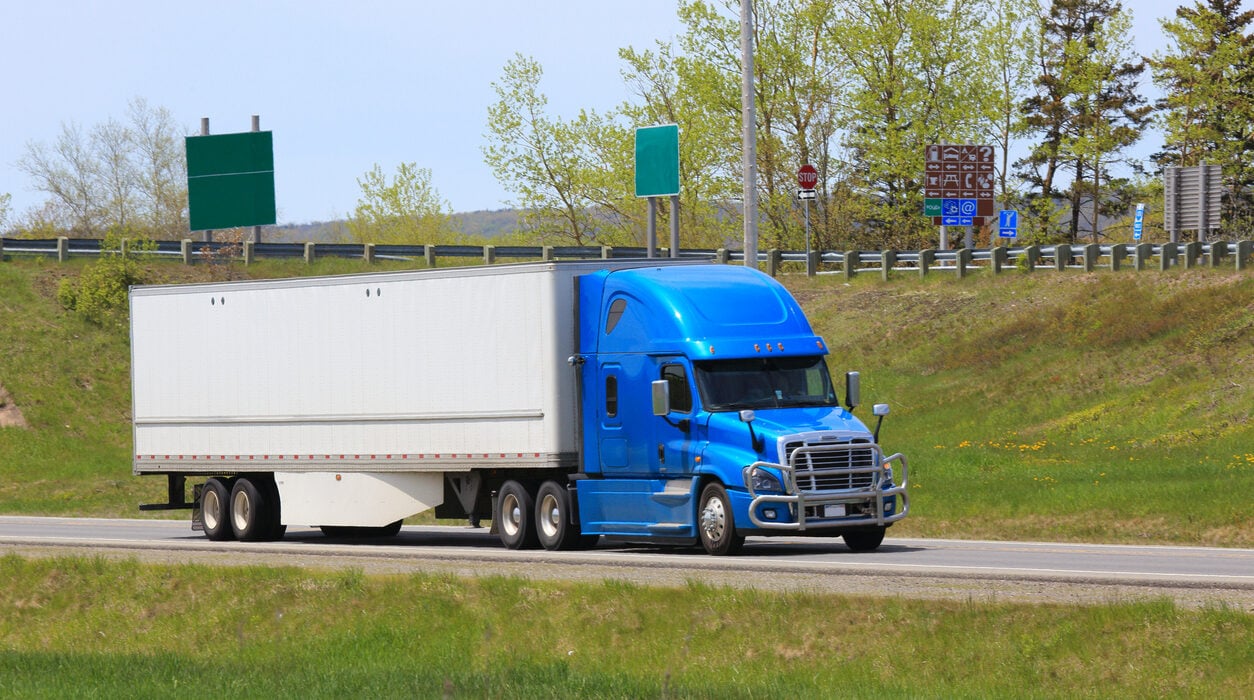
Commercial truck insurance in Mississippi costs between $8,500 and $18,000 per year for owner-operators in 2026. Federal law under FMCSA 49 CFR 387.9 requires a minimum of $750,000 in primary liability for interstate carriers. Mississippi intrastate carriers regulated by the Mississippi Public Service Commission face the same 750,000 combined single limit for general freight. The state’s freight profile is unlike most: it spans Delta agriculture, Gulf Coast port operations, one of the largest timber industries in the South, and automotive manufacturing near Jackson. Each of those industries carries different coverage requirements, and a policy that fits one will often leave gaps for another.
Premiums vary based on cargo type, route radius, driver record, and fleet size. Figures above reflect 2026 market averages.
Key Takeaways
- 2026 cost range: Owner-operators pay $8,500 to $18,000 per year. Interstate and new authority carriers pay more.
- Legal minimum: FMCSA requires $750,000 primary liability for interstate carriers under 49 CFR 387.9.
- Mississippi PSC: Intrastate carriers must also carry $750,000 combined single limit for general freight.
- Key risk factors: Timber routes on rural roads, Gulf Coast hurricane exposure, Delta agricultural transport, and I-20/I-55 congestion.
- Logging trucks: Require a Loggers Broad Form endorsement. Standard cargo policies do not cover this correctly.
- New authority: Expect to pay 40-100% percent more in year one. Rates improve after a clean first year.
Why Mississippi’s Freight Mix Creates Unique Insurance Needs
Mississippi does not have a single dominant industry the way some states do. It has several running at the same time across very different terrain. Timber operations move through rural roads in the central and southern counties, where load shifts and rollovers are real and frequent. Agricultural freight from the Delta carries soybeans, cotton, catfish, and poultry to processing facilities and distribution centers. Automotive supply chain trucks run between Jackson and the Nissan manufacturing plant in Canton. Along the Gulf Coast, carriers supply the casino and hospitality corridor and handle container freight moving through the Port of Gulfport.
The U.S. Army Corps of Engineers recommended in June 2026 the deepening of the Port of Gulfport federal channel from 36 to 46 feet, a $548 million project that will bring larger vessels and increase truck freight volume in Harrison County. As port volume grows, so does the exposure for carriers working those routes.
Because the state’s freight is so varied, no single policy template fits Mississippi trucking. Your insurance needs to be built around what you actually haul and where you run, not a national rate table that does not account for the difference between a logging road in Wayne County and the I-10 port corridor in Gulfport.
Mississippi Trucking Routes and What They Cost Carriers
Here is a look at the primary freight corridors in Mississippi and the risk profile each one carries. Understanding your route is one of the most important factors in getting accurately priced coverage.
| Route | Primary Use | Risk Level |
|---|---|---|
| I-20 (Jackson to Alabama/Louisiana) | East-west long-haul, automotive freight, and general cargo transportation | High, heavy traffic volume and congestion near the I-20/I-55 interchange |
| I-55 (Memphis to New Orleans) | North-south distribution corridor serving Delta freight and regional logistics | High, long distances, rural stretches, and weather-related exposure |
| I-10 (Biloxi to Louisiana Border) | Gulf Coast freight, casino supply chains, and port-related transportation | High hurricane exposure, port congestion, and cargo theft risks |
| I-59 (Meridian to Gulf Coast) | Regional connector for timber, industrial freight, and manufacturing goods | Medium to High, rural grades and logging truck traffic |
| US-61 (Delta Corridor) | Agricultural transportation, including grain, livestock, and farm products | Medium, rural roads and seasonal weight restrictions |
| US-49 (Hattiesburg to Yazoo City) | Regional distribution of poultry, construction materials, and consumer goods | Medium, intersections, farm traffic, and rural crossings |
Each of these routes has a different underwriting profile. A carrier running I-55 from Memphis through the Delta has different exposure than a logging truck on a county road in Jones County, and your insurer needs to understand that difference before pricing your policy.
What Mississippi Law and Federal Regulations Require in 2026
Before discussing coverage options, it helps to know exactly what you are legally required to carry. The table below covers both federal and state minimums.
| Carrier Type | Minimum Coverage Required | Authority |
|---|---|---|
| Interstate General Freight (Over 10,001 lbs) | $750,000 Primary Liability | FMCSA 49 CFR 387.9 |
| Interstate Hazardous Materials | $1,000,000 to $5,000,000 Liability Coverage | FMCSA 49 CFR 387.9 |
| Mississippi Intrastate General Freight | $750,000 Combined Single Limit | Mississippi Public Service Commission (PSC) |
| Mississippi Intrastate Hazardous Materials | Up to $5,000,000 Liability Coverage | Mississippi Public Service Commission (PSC) |
| All Interstate Carriers | BMC-91 or BMC-91X Filing with FMCSA | FMCSA Requirement |
Meeting the legal minimum is only the starting point. Most Mississippi freight brokers and shippers require at least $1,000,000 in liability coverage and $100,000 in cargo coverage as a condition of doing business, regardless of state or federal minimum requirements. If you plan to work with established shippers, you will need to meet these coverage thresholds to qualify for loads.
What Commercial Truck Insurance Costs in Mississippi in 2026
Costs in Mississippi are generally lower than in coastal states, but they vary significantly based on cargo type, authority age, and route. The table below reflects 2026 market averages for the most common operator profiles in the state.
| Operator Type | Annual Premium Range | Notes |
|---|---|---|
| Owner-Operator (One Truck, Established) | $8,500 to $14,500 | Clean driving record and 2+ years of operating authority |
| New Authority (First Year) | $14,000 to $25,000 | Limited operating history surcharge applies |
| Small Fleet (2–5 Trucks) | $20,000 to $60,000 | Premiums scale with fleet size and cargo type |
| Logging Truck Operators | $12,000 to $22,000 | Requires a Loggers Broad Form endorsement |
| Reefer and Agricultural Carriers | $10,000 to $18,000 | Cargo spoilage endorsement recommended |
| Hazmat and Fuel Tankers | $18,000 to $40,000+ | Hazmat endorsement and excess liability coverage required |
| Gulf Coast Port and Drayage Carriers | $13,000 to $22,000 | Hurricane exposure and port congestion can increase costs |
New authorities consistently pay more in year one because insurers have no safety history to work with. The best thing a new Mississippi authority can do is maintain a clean inspection record, keep CSA scores low, and work with an agent who places new authority business regularly.
Most Common Commercial Trucks in Mississippi
Mississippi’s freight economy runs on a specific set of vehicles. These are the five most commonly operated truck types in the state, what they do, and what insurance typically costs.
| Truck Type | What They Do in Mississippi | 2026 Annual Premium |
|---|---|---|
| Logging Truck | Hauls timber from forests in central and southern Mississippi to mills. Operates on rural county roads where load-shift and rollover risks are among the highest in the state. | $12,000 to $22,000 |
| Semi Truck / Tractor-Trailer | Moves general freight on I-20, I-55, and I-59 between Mississippi, Tennessee, Louisiana, and Alabama. Commonly used in the Nissan Canton supply chain. | $10,000 to $20,000 |
| Reefer / Refrigerated Truck | Transports poultry, catfish, and agricultural products from Mississippi processing facilities to regional distribution centers. Cargo spoilage coverage is essential. | $10,000 to $18,000 |
| Flatbed Truck | Carries timber products, construction materials, and heavy equipment across Mississippi’s industrial and agricultural corridors. | $11,000 to $19,000 |
| Dump Truck | Supports construction projects across Jackson, Hattiesburg, Gulfport, and surrounding growth areas. Faces higher physical damage exposure on job sites. | $12,000 to $20,000 |
The logging truck carries the highest specialized risk in Mississippi. It is also one of the most underinsured truck types in the state because operators assume a standard cargo policy covers them. It does not without the proper endorsement.
Core Coverage Mississippi Carriers Need
The right coverage for a Mississippi trucking operation includes more than primary liability. Here is what a complete policy typically looks like and why each coverage matters.
| Coverage Type | What It Covers |
|---|---|
| Primary Liability | Covers bodily injury and property damage caused to third parties. Required by law for all commercial carriers. |
| Physical Damage | Pays for repairs or replacement of your truck following a collision, theft, storm, or flood. |
| Motor Truck Cargo | Protects the freight you are hauling against loss, damage, or theft during transit. |
| Loggers Broad Form | Covers load shift, rollover incidents, and log debris liability. Commonly used in Mississippi timber operations. |
| Cargo Spoilage Endorsement | Protects perishable agricultural and food products if refrigeration fails or cargo is damaged. |
| Hazmat Endorsement | Covers liability related to chemical and fuel spills for carriers transporting hazardous materials. |
| Non-Trucking Liability | Provides coverage for owner-operators when operating a truck outside of an active dispatch. |
| Umbrella / Excess Liability | Extends protection beyond primary policy limits and helps cover large liability claims. |
Not every carrier needs every coverage on this list. But identifying which ones apply to your operation before a claim happens is the most important step you can take.
Real Situations
A logging truck operator in Wayne County was transporting a load of pine timber to a nearby mill. Before leaving the timber yard, the load had been properly secured and appeared safe for transport. However, while navigating a sharp downhill curve on a county road connecting to US-98, the weight of the load shifted unexpectedly. Several logs broke free and rolled into the roadway.
A pickup truck traveling behind the logging truck struck one of the loose logs and overturned, resulting in serious injuries to the driver. The logging company carried a standard commercial trucking insurance policy, including cargo coverage, but did not have a Loggers Broad Form endorsement.
When a claim was filed, the insurer determined that damage caused by loose log debris following a load shift was excluded under the standard cargo policy. The total claim exceeded $340,000, including medical expenses, lost wages, legal fees, and settlement costs. While the operator’s primary liability policy covered part of the claim, the lack of specialized logging coverage left the business responsible for a significant portion of the remaining costs.
This is a common and avoidable situation. The Loggers Broad Form endorsement typically adds a modest amount to an annual premium. Not having it when you need it costs far more.
Is Your Mississippi Trucking Business Properly Protected?
How to Choose a Truck Insurance Provider in Mississippi
Mississippi’s freight diversity means the agent you work with needs to understand more than one type of trucking operation. A broker who specializes in long-haul interstate carriers may not know how to properly structure a policy for a Delta catfish hauler or a Gulf Coast drayage carrier. These are the criteria that matter most when selecting a provider.
- Knowledge of Mississippi PSC Requirements: Intrastate carriers must meet state-level filing requirements that are separate from FMCSA regulations. Not every insurance agent handles these filings.
- Experience With Logging and Agricultural Coverage: Mississippi trucking operations often involve timber, livestock, and agricultural freight. An experienced provider understands the endorsements needed for these specialized risks.
- FMCSA Filings Handled In-House: Your insurance provider should be able to file BMC-91 and BMC-91X forms directly. This helps simplify compliance and avoid delays.
- Access to Multiple Insurance Carriers: Working with a broker that has access to 30 or more carriers can provide more coverage options and competitive pricing.
- Gulf Coast Weather Experience: Trucking businesses operating near Mississippi’s coastal counties may face additional hurricane and flood-related risks that can affect premiums and coverage needs.
- New Authority Insurance Experience: New DOT authorities often require specialized underwriting. Choose a provider familiar with placing coverage for businesses with limited operating history.
A provider with experience in Mississippi’s trucking industry can help ensure your coverage aligns with state requirements, cargo risks, and business goals.
Questions to ask any Mississippi truck insurance agent before you sign:
- Have you placed coverage for logging or agricultural carriers operating in Mississippi?
- Do you handle Mississippi PSC filings and FMCSA BMC-91 filings in-house?
- How many underwriters do you work with for Mississippi commercial trucking risks?
If the answers are vague or they refer these questions to someone else, that is worth knowing before you commit to a policy.
Frequently Asked Questions
Why Choose Alvix Insurance for Mississippi Truck Insurance
Alvix Insurance Group has spent over a decade working with commercial trucking operations across the United States, licensed in more than 23+ states, and with access to more than 30+ insurance carriers. Before recommending any policy, we compare options across those carriers based on what you actually haul and where you run. Whether you operate logging trucks in Wayne County, reefer units through the Delta, or long-haul semis on I-55 between Memphis and New Orleans, we build coverage around your real exposure rather than a generic template.
We keep the process straightforward. You will know what your policy covers, what it excludes, and what you are paying before you sign anything. If you are ready to get properly structured coverage for your Mississippi trucking operation, contact Alvix Insurance Group today for a free, no-obligation quote.
Get Your Free Mississippi Truck Insurance Quote. Call Alvix Insurance Group Today!
Protect Your Mississippi Trucking Business
Mississippi truckers deal with one of the most varied freight environments in the South. From logging roads in the Piney Woods to port routes along the Gulf Coast to agricultural corridors through the Delta, the risks change depending on where you work and what you carry. A policy built for one of those environments will not protect you in another.
The right coverage is not just about staying legal. It is about making sure that when something goes wrong on a county road in Wayne County or on I-10 near Gulfport, you are not paying for it out of your own business. Talk to Alvix Insurance Group, trusted by trucking businesses and backed by numerous 5-star Google reviews, to get a clear look at what your coverage actually includes and make sure it matches the work you do.
Sources: FMCSA 49 CFR 387.9, dot.gov, Mississippi Public Service Commission, psc.ms.gov, Mississippi Department of Transportation, mdot.ms.gov, U.S. Army Corps of Engineers Port of Gulfport recommendation, June 2026. Last reviewed: June 2026


