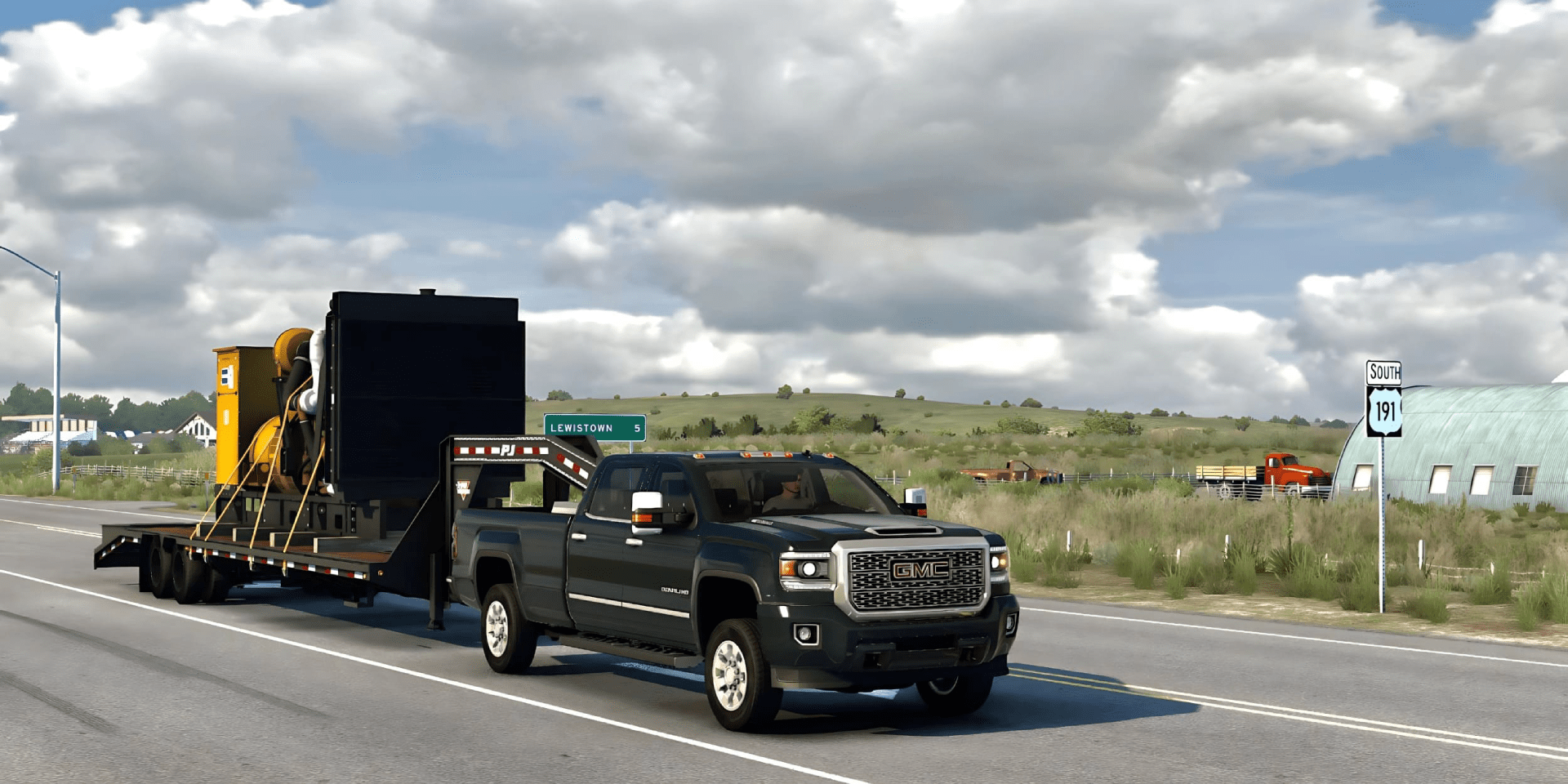
Quick Answer: Florida Hot shot trucking insurance costs $7,000 to $14,000 a year for an established, clean-record owner-operator running liability, cargo, and physical damage together. New authorities and South Florida garaging push that to $18,000-$30,000+.
See our Florida trucking insurance rates hub for how authority age, garaging ZIP, and cargo type set your real number.
Key Takeaways
- Florida hot shot insurance runs $7,000-$14,000 a year for a seasoned, clean-record operator with a 1-ton rig and gooseneck trailer.
- New authorities and non-CDL drivers routinely see 25-40% higher first-year premiums, often $12,000-$25,000.
- Most freight brokers require $1,000,000 liability and $250,000 cargo before they’ll tender a load, well above Florida’s legal minimum.
- Garaging address alone swings your premium by thousands. Miami-Dade and Broward run 15-25% higher than North Florida for the same truck.
- Deductible, dash cams, and 2 claims-free renewal cycles are the 3 levers that move your premium most.
Hot Shot Trucking Insurance Cost in Florida: 2026 Rate Bands
Florida hot shot rates fall into 3 practical bands, set almost entirely by coverage limits and how long you’ve held your authority.
| Coverage Tier | Annual Cost | Monthly Cost | Typical Operator |
|---|---|---|---|
| Liability only (Florida minimum) | $5,500-$8,500 | $458-$708 | Local, non-CDL, under 26,000 lbs |
| Liability + cargo (broker-ready) | $7,000-$14,000 | $583-$1,166 | Established owner-operator, clean MVR |
| Full package (liability, cargo, physical damage) | $18,000-$30,000+ | $1,500-$2,500+ | New authority, financed rig, South Florida |
What a $7,000-$14,000 Policy Actually Covers
At this tier you’re carrying the primary liability a broker requires, plus cargo coverage on the freight. It usually excludes comprehensive coverage on your own truck.
Theft or hail damage on a financed rig comes out of pocket unless you add physical damage protection separately.
Why Some Florida Hot Shot Policies Hit $25,000-$30,000
The top band shows up in 3 recurring situations:
- A new authority under 24 months old.
- South Florida garaging (Miami-Dade or Broward County).
- A broker contract demanding $2,000,000+ in combined limits.
Stack all 3 and a $10,000 policy prices closer to $30,000.
Hotshot Insurance in Florida
Businesses searching for Hotshot Insurance in Florida need coverage that reflects their truck, trailer, cargo, operating radius, and business structure. Whether you operate a pickup truck with a flatbed trailer or a heavier hotshot setup, insurance requirements can vary depending on whether you operate intrastate or interstate.
Alvix Insurance Group helps owner-operators compare customized hotshot insurance based on their equipment, cargo, driving history, and operating authority.
Common coverage options include:
- Primary Auto Liability
- Motor Truck Cargo
- Physical Damage
- Non-Trucking Liability
- Trailer Coverage
- General Liability
Choosing coverage based on your actual operation can help prevent gaps while keeping your business prepared for accidents, cargo losses, and equipment damage.
Non-CDL Hotshot Insurance Cost
The Non-CDL Hotshot Insurance Cost depends on several factors, including the truck’s gross vehicle weight, cargo, operating radius, driver history, claims record, and whether the carrier operates under its own authority.
For Florida operators, a non-CDL setup may have different insurance requirements and pricing than a heavier CDL operation. However, non-CDL does not mean no insurance is required. Your actual insurance needs depend on the vehicle, operation, cargo, and whether you cross state lines.
Factors that can influence cost include:
- Truck and trailer value
- Gross vehicle weight
- Cargo type
- Driving record
- Years of commercial experience
- Local vs. interstate operation
- Liability limits
- Cargo limits
- Physical damage coverage
For an accurate quote, insurance providers need to evaluate the complete operation rather than simply whether the driver has a CDL.
Hotshot Car Hauling Insurance
Businesses transporting vehicles with a pickup truck and trailer may need specialized Hotshot Car Hauling Insurance. Auto transport creates different cargo exposures because the vehicles being transported can have significant individual values.
A hotshot car-hauling policy may need to account for:
- Number of vehicles transported
- Vehicle values
- Trailer type
- Loading and unloading procedures
- Operating radius
- Customer or broker requirements
- Cargo insurance limits
If you transport cars for dealerships, auctions, individuals, or vehicle logistics companies, make sure your insurance policy specifically reflects the type of auto-hauling operation you perform.
Hotshot Cargo Insurance
Hotshot Cargo Insurance is designed to protect freight transported by hotshot carriers. The amount and type of cargo coverage needed depend on the commodities being hauled, their value, and contractual requirements from brokers and customers.
Common hotshot freight can include:
- Construction materials
- Machinery
- Automotive parts
- Agricultural equipment
- Building supplies
- Vehicles
- General commercial freight
Before selecting a cargo policy, review the commodity exclusions, coverage limits, deductibles, and geographical restrictions to make sure they match your actual loads.
Commercial Vehicle Insurance for Hotshot Trucking
Commercial Vehicle Insurance for Hotshot Trucking provides protection for the vehicles and business operations used to transport freight for compensation. Because hotshot businesses often use pickups, flatbed trailers, goosenecks, or similar equipment, coverage should be structured around the complete vehicle combination.
Depending on the operation, coverage may include:
- Commercial Auto Liability
- Motor Truck Cargo
- Physical Damage
- Trailer Insurance
- Non-Trucking Liability
- General Liability
- Uninsured/Underinsured Motorist Coverage
The right policy depends on your truck, trailer, cargo, operating radius, authority, and business structure.
Insurance for Hotshot Drivers
Insurance for Hotshot Drivers should be based on both the driver and the commercial operation. Insurance companies may evaluate driving history, commercial experience, age, violations, claims, and the type of vehicle being operated when determining eligibility and premium.
Factors insurers may review:
- Motor Vehicle Record (MVR)
- Commercial driving experience
- Previous claims
- CDL or non-CDL status
- Trucking experience
- Operating radius
- Type of cargo
- Safety practices
Maintaining a clean driving record and consistent insurance history can help demonstrate a lower-risk operation to insurers.
What Drives Florida Hot Shot Trucking Insurance Cost Up or Down
6 factors set your Florida hot shot rate, and 5 of them are things you actually control before you ever call an agent.
- Authority age: A brand-new MC number carries the steepest markup, often 25-40% above an operator with 2+ years of claims-free history. See our new venture truck insurance guide.
- CDL status: Non-CDL drivers on a Class 3-5 truck typically pay 20-30% more than a CDL holder on the same freight.
- Garaging ZIP code: Underwriters price where the truck sleeps at night, not where you’re licensed.
- Cargo type and value: High-value or theft-prone freight (electronics, ATVs, machinery) can roughly double your cargo premium.
- Loss runs, not just tickets: Renewal underwriters pull your carrier’s loss-run report, not just your MVR, and a closed-with-no-payout claim still shows up. See our claims process breakdown.
- Broker-required limits: A $4,000,000 combined-limit contract costs meaningfully more than a $1,000,000/$250,000 baseline.
A single pattern shows up on renewal reviews more than any other: a rate jumps not from a claim, but from adding a driver or swapping trailers mid-term without an update. Lock your driver list and equipment schedule before binding to avoid it.
Florida Hot Shot Trucking Insurance Requirements
Your legal minimum depends on whether you cross state lines. Brokers almost always require more than the baseline.
| Operating Scope | Minimum Liability | Filing |
|---|---|---|
| Interstate (FMCSA, over 10,001 lbs) | $750,000 | BMC-91, plus MCS-90 endorsement |
| Intrastate Florida, 26,000-34,999 lbs | $50,000 per occurrence | Form E |
| Intrastate Florida, up to 43,999 lbs | $100,000 per occurrence | Form E |
1. Federal FMCSA Minimums for Interstate Carriers
FMCSA requires a $750,000 minimum in public liability coverage under 49 CFR Part 387 for interstate freight. You’ll also need an MCS-90 endorsement, a federal safety net that pays injured third parties even when your own policy has an exclusion that would block the claim.
Our MCS-90 requirements guide covers the full filing process.
2. Florida’s Intrastate Minimum (Statute 627.7415)
Carriers operating strictly within Florida follow Florida Statute 627.7415. Intrastate carriers file this through Form E, not the federal BMC-91. See our Florida trucking insurance law guide for filing details.
3. The Real Number: Broker Minimums, Not Legal Minimums
The table above is rarely what actually gets you loaded. Across the Florida hot shot accounts Alvix Insurance Group places, brokers rarely release a load below a $1,000,000/$250,000 liability-and-cargo split. Some direct-freight contracts push that past $4,000,000.
Hotshot or Commercial Trucking Insurance: Which Do You Need?
If you’re deciding between Hotshot or Commercial Trucking Insurance, the answer depends on how your business operates rather than simply what you call the truck.
Hotshot operations commonly use smaller trucks and trailers to transport time-sensitive or smaller loads, while traditional commercial trucking can involve heavier tractors and trailers. Insurance requirements can differ based on vehicle weight, cargo, authority, operating radius, and federal or state requirements.
Before purchasing a policy, confirm:
- Vehicle weight
- Cargo type
- Operating radius
- Interstate vs. intrastate operation
- Required liability limits
- Cargo requirements
- Broker or shipper requirements
This ensures the policy is designed around your actual business instead of a generic commercial auto classification.
Core Coverage Types Every Florida Hot Shot Carrier Needs
A complete hot shot policy stacks specific coverages, not one blanket product.
| Coverage | What It Pays For | Typical Broker-Required Limit |
|---|---|---|
| Primary liability | Bodily injury and property damage you cause | $1,000,000 |
| Motor truck cargo | Theft, fire, collision, or water damage to the freight | $100,000-$250,000 |
| Physical damage | Repair or replacement of your own truck and trailer | Actual cash value |
| General liability | Non-auto business liability claims | $1,000,000 |
| Trailer interchange | Damage to a non-owned trailer under an interchange agreement | $30,000-$100,000 |
| Excess/umbrella | Coverage above your primary limits for large-contract brokers | $1,000,000+ |
| Non-trucking liability | Coverage when the truck is used off-dispatch (bobtail) | Varies by carrier |
Skipping physical damage to save money is the most common coverage gap on new hot shot accounts. A blown tire that sends your rig into a guardrail falls outside a liability-only policy entirely, and so does a theft at a truck stop.
Florida Geographic Risk Zones: Why Your Garaging Address Matters
Underwriters don’t price Florida as one market. Where your truck sleeps at night moves your premium as much as your driving record. See our full breakdown of how location impacts trucking insurance costs.
- I-4 corridor (Tampa to Orlando). Tourist traffic, construction, and dense distribution-center freight make this one of the highest-claim-frequency stretches in the state.
- Miami-Dade and Broward County. Traffic density, uninsured motorists, and a litigious claims environment push South Florida garaging 15-25% above the state average.
- North Florida and the Panhandle. Lower traffic density typically means the lowest premiums in the state for a comparable risk profile.
Hurricane exposure is statewide, not just coastal. A rig without physical damage coverage has no storm protection at all, named storm or otherwise.
Our hurricane insurance guide for Florida truckers covers exactly what a standard policy pays during named storms.
Hot Shot vs Semi-Truck Insurance Costs in Florida
Hotshot insurance can cost less than traditional semi-truck insurance because hotshot setups generally use lighter equipment and may have lower overall loss exposure. However, premiums vary significantly based on cargo, truck value, operating radius, driver history, and coverage limits.
For a detailed breakdown of how much semi-truck insurance costs in Florida, see our dedicated Florida semi-truck insurance guide. Hot shot coverage runs roughly 20-30% cheaper than a semi for a comparable driving record. The gap is weight, not risk.
| Setup | Typical Annual Cost | Max GVWR |
|---|---|---|
| Hot shot rig (1-ton dually, gooseneck) | $7,000-$14,000 | 26,000-36,000 lbs |
| Semi-truck (tractor-trailer) | $9,000-$18,000 | Up to 80,000 lbs |
A lower gross weight means a lower catastrophic-loss ceiling for the underwriter, which is most of the pricing gap. Our box truck insurance cost guide is a useful comparison if you’re weighing a mid-weight alternative.
Cheapest Hotshot Insurance: How to Lower Your Florida Premium
Businesses searching for the cheapest hotshot insurance or Cheap Hotshot Insurance should compare the total value of a policy instead of selecting the lowest premium automatically. Before you shop, watch the trap that makes 2 “$1,000,000” quotes impossible to compare.
| Limit Structure | How It Pays | Real-World Risk |
|---|---|---|
| Combined Single Limit (CSL) | Up to $1,000,000 total per accident, split however the claim requires | Full limit available for a serious injury claim |
| Split limit (e.g. $500,000/$500,000) | Each category capped separately | Can exhaust the injury portion on one serious wreck |
Ask your agent for CSL structure specifically when a quote looks unusually cheap for its stated headline number.
None of the following require switching carriers, and most take effect on your next renewal.
- Raise your deductible to $2,500. Typically shaves 5-10% off a physical damage premium.
- Install dual-facing dash cams. Underwriters increasingly discount 5-12% for verifiable driver-behavior monitoring.
- Stay claims-free for 2 renewal cycles. Year-2 renewals routinely come in 25-35% below a first-year new-authority quote.
- Consolidate your driver and vehicle list before binding, not after, since mid-term additions trigger a re-rate.
- Shop at renewal, not just at setup. Several national carriers have tightened new-authority underwriting in the past year, so a quote that was easy to bind 2 years ago may take more comparison shopping today.
Alvix Insurance Group has placed trucking-specific coverage since 2014. Every account gets:
- A dedicated account manager, not a call-center queue.
- 24/7 certificate of insurance access, so a broker’s last-minute COI request doesn’t wait until Monday.
If you’re deciding between running as an owner-operator or leasing onto a fleet, that decision changes which of these levers apply to you first.
Ways to potentially reduce Florida hot shot trucking insurance costs:
- Maintain a clean driving record
- Compare quotes from multiple carriers
- Use dash cameras and telematics
- Choose appropriate deductibles
- Maintain continuous insurance coverage
- Keep accurate loss history
- Use proper vehicle and cargo classifications
- Implement documented safety procedures
The goal should be affordable coverage that still protects the business adequately, not simply the lowest advertised price.
FAQs
What About Alvix Hotshot Insurance and Progressive Hotshot Insurance?
If you’re researching Alvix Hotshot Insurance or Progressive Hotshot Insurance, compare the actual commercial trucking policy rather than choosing a provider based only on brand recognition.
Before purchasing coverage, compare:
- Liability limits
- Cargo limits
- Physical damage
- Trailer coverage
- Deductibles
- Exclusions
- Filing requirements
- Payment options
- Claims support
- Eligibility for your specific operation
An independent commercial trucking insurance broker can help compare available options across carriers based on your operation.
Conclusion
Florida hot shot insurance costs $7,000-$14,000 a year for most established operators, with new authorities and South Florida garaging pushing that toward $30,000.
The gap comes down to authority age, garaging ZIP code, and the coverage limits your brokers actually require, not a single statewide rate.
For questions outside hot shot-specific coverage, our full trucking insurance FAQ covers filings, claims, and fleet-level policy structure.
Get a Florida Hot Shot Trucking Insurance Quote
Building a policy around real broker requirements, not the legal minimum, is what keeps a claim from turning into a canceled contract.
Get a free quote from Alvix Insurance Group, or contact our team with questions about your setup.


