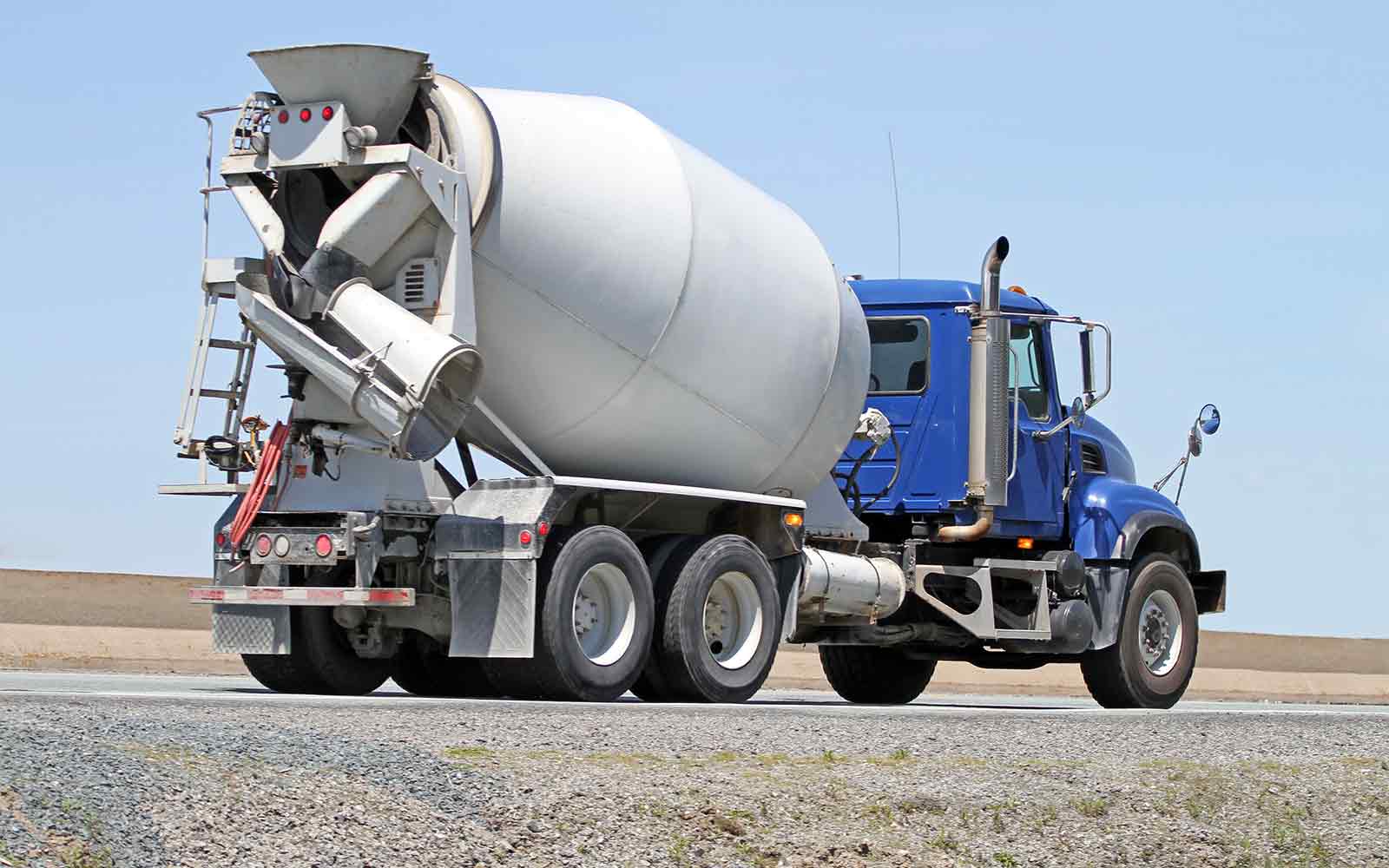
Why Cement Trucking Insurance Is Essential
Cement trucking insurance is vital for every operator because it shields you from the high‑risk nature of moving heavy, abrasive loads. Without it, a single accident could threaten your entire business.
- Accident protection – Covers damage to your truck, other vehicles and property.
- Liability shield – Pays for injury or property claims from third parties.
- Cargo safety – Pays for lost or spilled cement during transport.
- Regulatory compliance – Meets DOT minimum insurance requirements.
- Financial stability – Protects against theft, fire, natural disasters and downtime.
- Driver confidence – Gives drivers peace of mind, reducing risky behavior.
Types of Cement Trucking Insurance Coverage
Choosing the right insurance for your cement trucking business is crucial. Here are the essential types of coverage every mixer truck owner should consider:
- Primary Liability Insurance – Required by law; covers body injury and property damage you cause to others.
- Physical Damage Insurance – Pays for repairs or replacement after collisions, fire, theft or vandalism.
- Motor Truck Cargo Insurance – Protects the cement load from spillage, contamination or loss.
- Non‑Trucking (Bobtail) Liability – Covers your truck when it’s not hauling cement, such as driving to a job site.
- Workers’ Compensation – Covers medical costs and lost wages for employees injured on the job.
- Trailer Interchange Insurance – Protects rented or leased trailers you use for deliveries.
- Roadside Assistance & Towing – Helps get a broken‑down truck back on the road quickly.
Factors That Influence Cement Trucking Insurance Rates
Insurance costs change based on many aspects of your operation. Understanding these drivers helps you manage premiums.
- Truck age, make and model – Newer, expensive trucks cost more to insure.
- Fleet size – Larger fleets may get bulk discounts but also higher total exposure.
- Driver record – Clean driving history lowers premiums; accidents raise them.
- Routes and mileage – Long‑haul and high‑traffic routes increase risk.
- Cargo weight and type – Heavier or hazardous cement loads raise rates.
- Claims history – Past claims signal higher risk to insurers.
- Safety programs – Regular maintenance, GPS tracking and driver training can reduce costs.
DOT Compliance: A Must
The Department of Transportation (DOT) requires a minimum liability limit based on truck weight and cargo. You must provide proof of insurance during DOT audits and follow state‑specific commercial vehicle rules. Failure to meet these standards can result in fines or loss of operating authority. Working with a cement trucking insurance specialist ensures your policy satisfies all DOT requirements.
Benefits of a Specialized Cement Trucking Insurance Provider
Standard commercial policies often miss the unique risks of mixing cement. A specialized provider can fill those gaps.
- Tailored policies built for mixer trucks.
- Assistance with DOT filing and proof of insurance.
- Competitive rates for single trucks and fleets.
- Fast claims handling to keep you moving.
- Advice on safety upgrades that lower premiums.
- Optional add‑ons like environmental liability and driver training.
Tips to Lower Your Cement Trucking Insurance Premiums
Reducing insurance premiums while maintaining adequate coverage is possible with careful planning. Consider these strategies:
- Keep detailed maintenance logs – Well‑maintained trucks are less likely to be in accidents.
- Hire experienced drivers – Qualified drivers lower claim frequency.
- Install safety tech – Backup cameras, collision‑avoidance systems and GPS tracking earn discounts.
- Bundle coverages – Combine liability, cargo and physical‑damage into one policy.
- Review your policy each year – Adjust limits as your fleet grows or shrinks.
- Increase deductibles – A higher deductible can drop the premium if you can afford the out‑of‑pocket cost.
Real‑World Scenarios Where Cement Trucking Insurance Helps
Even with the best safety practices, accidents happen. Cement trucking insurance steps in to cover the financial fallout.
- Accident on highway – A cement mixer collides with another vehicle. Primary liability and physical‑damage insurance cover vehicle repairs and third‑party claims.
- Load spillage – A truck spills cement on a construction site due to equipment failure. Cargo insurance compensates for the lost material and cleanup costs.
- Employee injury – A driver is hurt while securing a mixer drum. Workers’ compensation covers medical bills and lost wages.
- Environmental incident – Cement spills into a waterway. Environmental liability insurance helps pay for cleanup and any fines.
Curious how much you could save? Get a free quote now or call (305) 909-6444 and see the difference.
Conclusion
Cement trucking insurance is not optional it’s the safety net that protects your trucks, cargo, drivers and finances while keeping you compliant with DOT rules. By selecting the right mix of liability, cargo, physical‑damage and optional coverages, you can run your operation confidently and affordably. Alvix Insurance Group offers customized cement trucking insurance, expert DOT guidance and fast claims service, so you can focus on delivering concrete and growing your business. Secure your coverage with Alvix Insurance Group today and drive forward with peace of mind.
Cement Trucking Insurance FAQ
Q. How much does cement truck insurance cost in the USA?
A. Most operators pay $8,000‑$18,000 per year per truck. High‑risk or larger fleets often see $12,000‑$25,000+ annually. Monthly premiums typically range from $700 to $2,000.
Q. What are the minimum insurance requirements for cement trucks?
A. The FMCSA requires at least $750,000 in primary liability coverage. Many contracts and job sites ask for $1 million or more. A typical setup also includes cargo insurance and physical‑damage coverage based on the truck’s value.
Q. What does cement truck cargo insurance cover?
A. It pays for cement that is spilled, damaged, contaminated or lost while in transit due to accidents, equipment failure or handling errors. Coverage limits match the value and quantity of the load.
Q. Why is cement truck insurance expensive?
A. Heavy loads, specialized equipment, construction‑site hazards and the chance of environmental damage raise the likelihood and cost of claims, which drives up premiums. Working with experienced providers like Alvix Insurance Group can help control costs.
Q. Can I get insurance for a new cement trucking business?
A. Yes. New businesses can obtain cement trucking insurance, though premiums are often 15%‑30% higher at first because of limited history. Keeping a clean driver record, using safety technology and bundling policies can lower those costs. Alvix Insurance Group can design a plan that meets both compliance needs and budget.

