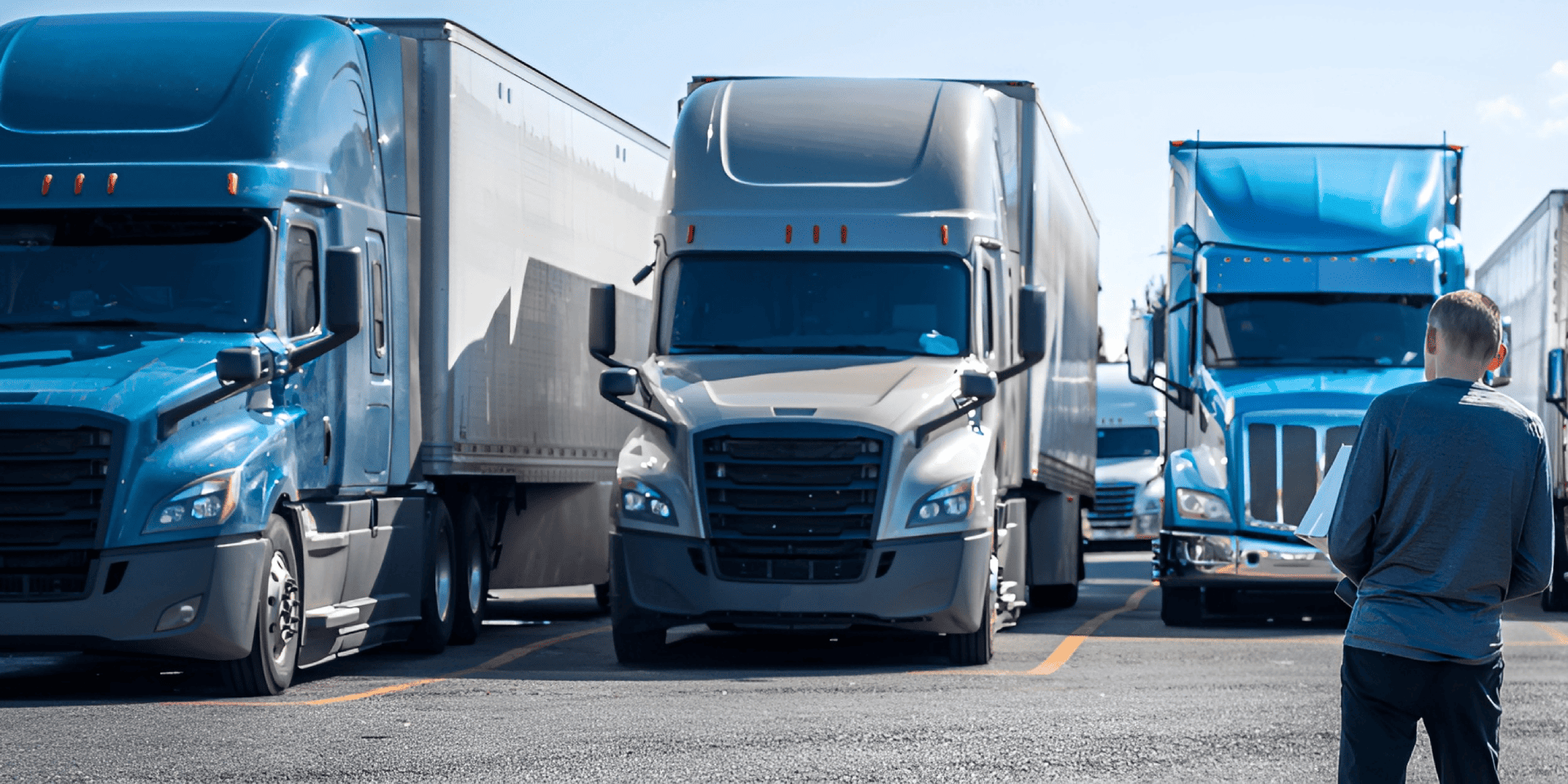
Commercial truck insurance protects businesses that use trucks for transport. It covers accidents, cargo damage, theft, and legal claims.
Insurance rules and costs differ across the United States. Road conditions, weather, traffic, and laws affect premiums. Knowing these factors helps you pick the right coverage and control risk.
This guide explains how commercial truck insurance works in the U.S., what drives rates, and how to choose the best policy for your fleet.
What Is Commercial Truck Insurance?
A commercial truck policy is made for businesses that move goods with trucks. It protects the company from financial loss due to:
- Vehicle accidents
- Cargo damage or theft
- Property damage
- Injuries caused in accidents
- Truck repairs or replacement
Industries such as logistics, construction, freight, and delivery rely on this coverage.
Key Factors That Affect Truck Insurance Rates
1. Type of Truck & How It’s Used
The truck’s design and its job shape the premium.
- Flatbed trucks – often carry construction materials; need specific coverage.
- Refrigerated trucks – move food or medical supplies; require cargo‑temperature protection.
Other influences:
- Size and weight
- Cargo capacity
- Type of goods (e.g., hazardous materials need higher limits)
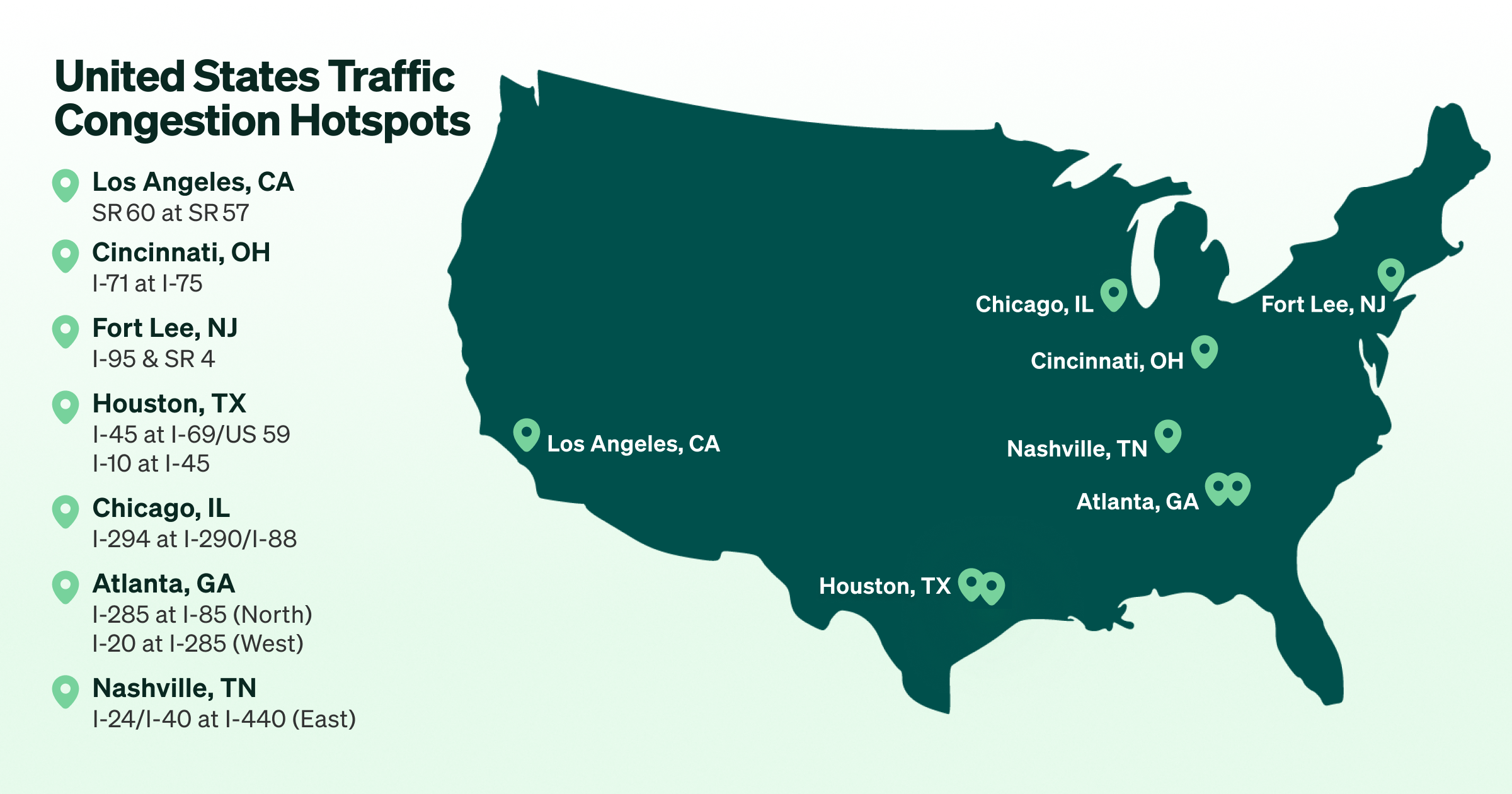
2. Traffic & Road Conditions
Heavy traffic and poor roads increase accident risk, which raises rates.
- High‑congestion cities: New York, Los Angeles, Chicago
- Rural areas: typically lower accident frequency and cheaper premiums
3. Weather Risks
Local weather patterns affect damage probability.
- Snow & ice – Midwest, Northeast
- Hurricanes & flooding – Gulf Coast
- Severe storms – Southern states
4. Driver Experience & Safety Record
A driver’s history is a top rating factor.
- Clean records – lower premiums
- Accidents or violations – higher costs
Ways to lower rates:
- Hire experienced drivers
- Offer safety‑training programs
- Use driver‑monitoring technology
Types of Commercial Truck Insurance Coverage
| Coverage Type | What It Protects | Typical Minimum Limits* |
|---|---|---|
| Liability | Damage to other vehicles, property, or people | $750,000 (non‑hazardous) – $5 M (hazardous) – $1 M (interstate haulers) |
| Cargo | Loss or damage to the goods being shipped | Varies by cargo value |
| Physical Damage | Collision, theft, vandalism, weather damage to the truck | Varies by vehicle value |
| Occupational Accident | Driver injuries while on the job | Medical costs, lost wages, rehab |
Limits depend on state and cargo type.
Legal Requirements
State Requirements
Each state sets its own minimum liability limits.
- High‑traffic states often require higher limits.
- Low‑accident states may allow lower limits.
If you operate in multiple states, meet every state’s rules.
Federal Regulations
Interstate carriers must follow FMCSA rules.
- FMCSA defines minimum insurance based on cargo and risk.
- Non‑compliance can lead to fines or loss of operating authority.
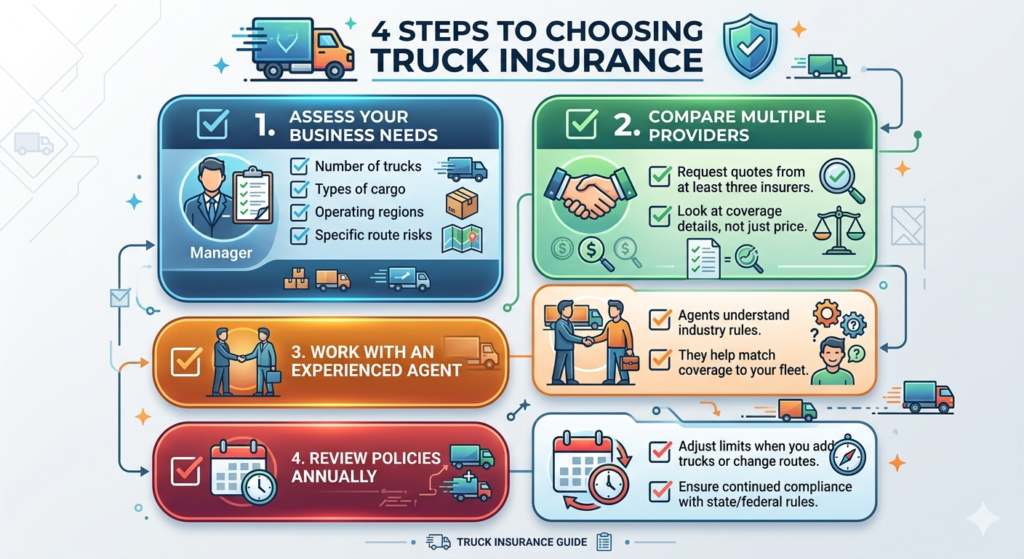
How to Choose the Right Commercial Truck Insurance
- Assess Your Business Needs
- Number of trucks
- Types of cargo
- Operating regions
- Specific route risks
- Compare Multiple Providers
- Request quotes from at least three insurers.
- Look at coverage details, not just price.
- Work With an Experienced Agent
- Agents understand industry rules.
- They help match coverage to your fleet.
- Review Policies Annually
- Adjust limits when you add trucks or change routes.
- Ensure continued compliance with state/federal rules.
Why Choose Alvix Insurance Group
- Tailored liability policies for all truck sizes
- Cargo insurance for high‑value and perishable goods
- Physical‑damage coverage in high‑risk weather zones
- Occupational accident plans for driver protection
- Risk‑assessment services to lower premiums
Alvix knows the trucking industry’s challenges and offers competitive rates.
Conclusion
Commercial truck insurance is vital for protecting fleets, cargo, and drivers across the United States. Rates vary with regional risks, truck type, driver record, and legal rules. Understanding these factors lets you select the right coverage and manage risk effectively.
Regular policy reviews and working with knowledgeable insurers keep your business protected and compliant.
Get the Best Commercial Truck Insurance with Alvix
Ready for a personalized quote? Contact Alvix Insurance Group today.
- Liability coverage
- Cargo protection
- Physical‑damage plans
- Occupational accident coverage
Get Covered Today
Phone: (305) 909-6444
Email: info@alvixinsurance.com
Address: 10505 NW 112th Ave, Suite 13 Miami, FL 33178
Frequently Asked Questions (FAQ)
Q. What insurance is required for commercial trucks in the U.S.?
A. Liability insurance is mandatory. Most carriers also add cargo and physical‑damage coverage, depending on the cargo type.
Q.Why do rates differ by state?
A. Factors include traffic congestion, weather, road quality, and state regulations.
Q. How can I lower my insurance cost?
A. Improve safety records, hire experienced drivers, use safety tech, and keep vehicles well‑maintained.
Q. Do interstate carriers need federal insurance compliance?
A. Yes. FMCSA sets minimum insurance standards for all interstate trucking.
Q. How often should I review my policy?
A. At least once a year or whenever your fleet, routes, or cargo change.


