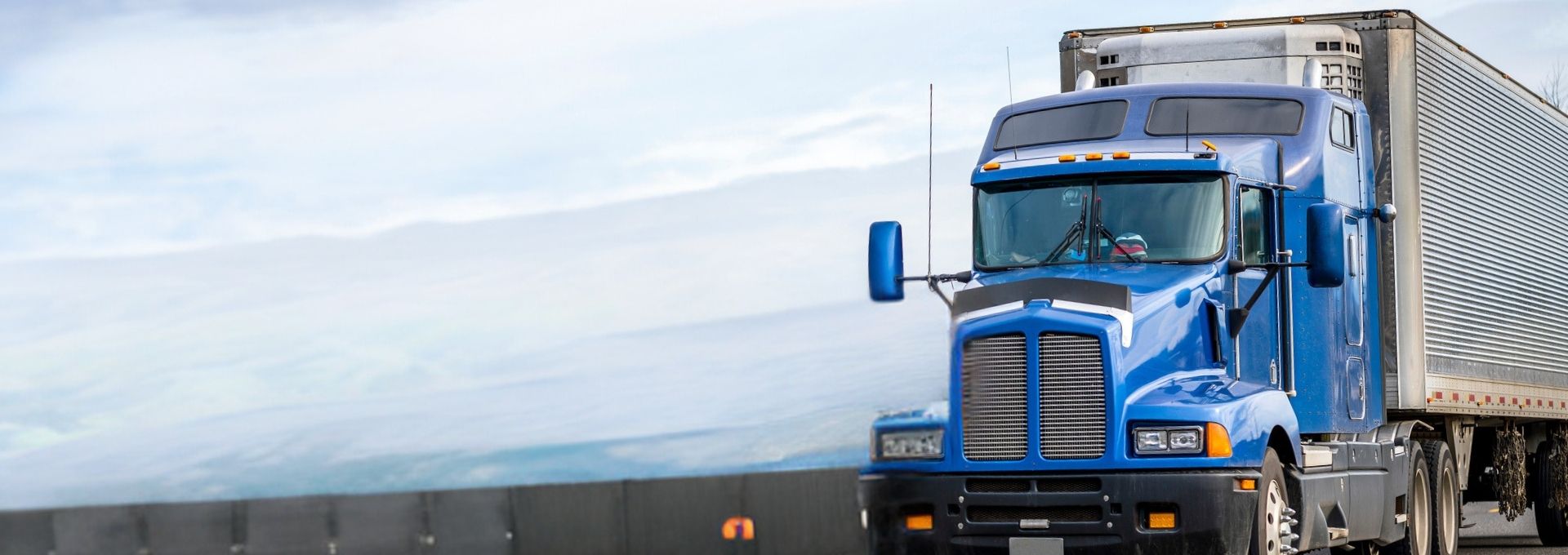
Florida’s roads move millions of tons of product every day, but the job comes with high risk. A broken trailer, a stolen load, or a hurricane can shut a trucking business down in an instant, and state law forces drivers to carry minimum coverage or face fines and license loss. The answer is simple, get the right trucking insurance in Florida. The proper policy protects cargo, covers accidents, satisfies regulations, and keeps cash flow steady. With solid insurance you can focus on delivering goods instead of worrying about claims. Let’s look at the common loads and the coverages you need to stay protected.
What Truckers Haul in Florida
Florida’s economy relies on many kinds of freight. Drivers must handle each load with care. Below are the main types of goods you will see on the road.
- Agricultural products – oranges, strawberries, tomatoes, sugarcane and other fresh produce. The cargo needs quick delivery and protection from spoilage.
- Construction materials – steel beams, drywall, cement, heavy equipment. These items are heavy and expensive, so they need solid cargo insurance.
- Retail goods – clothing, electronics, household items. Theft and damage are common, making cargo coverage essential.
- Hazardous materials – chemicals, fuels, pesticides. Special licenses and hazmat insurance are required by law.
Why Trucking Insurance in Florida Is Needed
Every mile in the Sunshine State brings new challenges. Without proper coverage you can face fines, lawsuits, or lost income. The following reasons explain why you should not drive without insurance.
- Legal compliance – Trucking insurance in Florida meets state and federal rules for minimum coverage. Missing coverage can lead to license suspension or heavy fines.
- Cargo protection – If a load is lost or damaged, cargo insurance pays the claim and keeps customers happy.
- Liability coverage – Accidents that hurt other drivers or damage property can result in costly lawsuits. Liability insurance shields your personal and business assets.
- Physical damage coverage – Trucking insurance in Florida protects your truck from hurricanes, floods, and collisions. Physical damage insurance covers repair or replacement costs.
- Business continuity – Trucking insurance in Florida often includes rental reimbursement and legal defense to keep you moving. Downtime after an incident hurts profits.
Types of Trucking Insurance You May Need
Choosing the right mix of policies protects you from the most common risks. Below are the core coverages that most Florida operators use.
- Primary liability insurance – Required by law; covers injury or damage you cause to others.
- Cargo insurance – Pays for loss or damage to the freight you carry.
- Physical damage insurance – Covers collision, theft, fire or natural disaster damage to your truck.
- Non‑trucking liability insurance – Protects you when the vehicle is used for personal trips.
- General liability insurance – Covers incidents that happen off the road, such as a slip at a warehouse.
- Reefer breakdown insurance – Pays for spoiled cargo if a refrigerated trailer fails.
Owner‑Operators vs. Fleet Owners: Custom Coverage
Both independent drivers and large fleets need tailored policies. The right coverage depends on the size of your operation and the loads you haul.
Owner‑Operators
Owner‑operators wear many hats: driver, dispatcher, accountant. They need flexible coverage that follows the truck. Owner‑operators rely on trucking insurance in Florida to stay profitable.
- Non‑trucking liability – Protects you when the truck is not working.
- Occupational accident coverage – Provides medical benefits if you are injured on the job.
- Downtime and rental reimbursement – Keeps cash flow steady while your truck is in the shop.
- Cargo and reefer coverage – Required for perishable or high‑value loads.
Fleet Owners
Fleet owners manage many vehicles and drivers. Their policies must cover a broader set of risks.
- Fleet‑wide liability and physical damage – One policy that protects every truck.
- Umbrella policy – Adds extra limits for large lawsuits.
- Workers’ compensation – Covers employee injuries on the job.
- General liability and employee coverage – Handles office and yard incidents.
- Safety and risk‑management programs – Reduces claims and premiums.
Personal Experience:

I’ll never forget a driver we worked with on a high-stakes Tampa-to-Miami run. He was hauling a full load of fresh seafood when his reefer unit just quit. In that South Florida heat, you don’t have hours to fix a cooling issue, you have minutes before a $15,000 cargo load is total trash.

Without the right Reefer Breakdown Insurance, he would’ve been on the hook for every penny of that spoiled catch. But because we had his back with a policy that covered mechanical failure, not just crashes, we stepped in and covered the full loss. We saved his business from a massive financial hit so he could stay focused on the road, knowing we had the what-ifs handled.
Conclusion
With over 10 years of experience helping drivers navigate Florida’s unpredictable roads, we know that a solid insurance policy is the heartbeat of your business.
Operating here means balancing tight schedules with sudden weather shifts and strict legal standards. Whether you’re an owner-operator or managing a fleet, the right coverage from liability and cargo to physical damage is what keeps your cash flow steady when the unexpected happens. It’s about more than just meeting mandates; it’s about the peace of mind that comes from knowing your assets are shielded against accidents and theft.
At Alvix Insurance Group, we’re here to help you fine-tune a tailored package that protects your future without overcomplicating your budget. Let’s keep your business moving forward.
Contact a licensed Florida insurance agent now and lock in coverage before the next storm hits. Give a call on (305) 909-6444 or visit Alvix Insurance Group
Frequently Asked Questions
Q. What is the minimum liability coverage required in Florida?
A. The state mandates $750,000 per incident for bodily injury and property damage.
Q. Do I need separate cargo insurance for each load?
A. You can buy a blanket policy that covers all loads, or add a load‑by‑load endorsement as needed.
Q. How does a hurricane affect my insurance claim?
A. Your physical damage policy funds your repairs, while cargo insurance protects your freight from flood and wind damage.
Q. Is non‑trucking liability required for owner‑operators?
A. While the law doesn’t require it, this coverage protects you during personal trips.
Q. Can I get a discount for safe driving?
A. Many insurers offer a safe‑driver discount if you have a clean record for three years or more.

