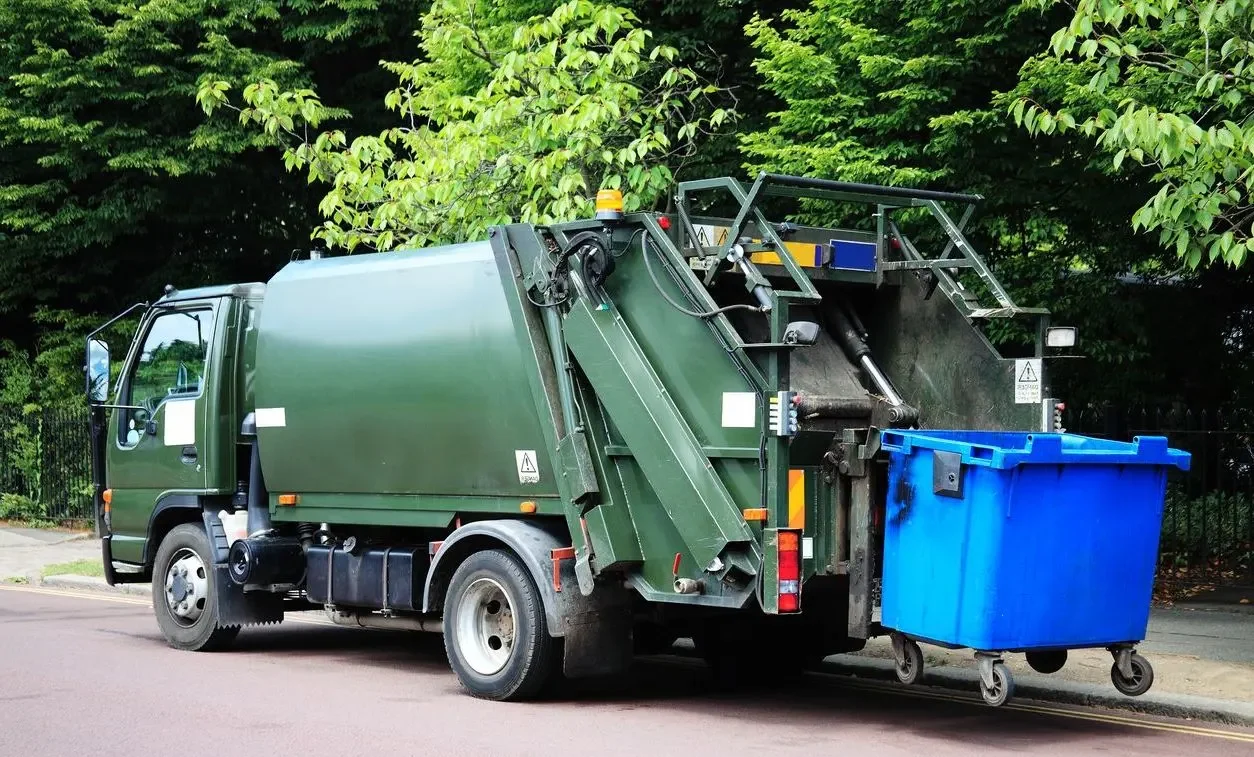
Waste collection companies face unique risks that standard commercial auto insurance may not fully cover. Garbage Truck Insurance protects waste haulers, recycling companies, municipal contractors, and private fleets from accidents, property damage, employee injuries, equipment failures, and environmental claims.
Whether operating residential, commercial, or landfill routes, waste management businesses need comprehensive coverage to stay compliant and protect their operations. Alvix Insurance Group offers customized Garbage Truck Insurance solutions to keep businesses protected nationwide.
Key Takeaways
- Garbage Truck Insurance protects waste hauling and recycling operations.
- Essential coverages include liability, physical damage, workers’ compensation, and pollution liability.
- Urban routes, residential areas, and landfill operations present higher risks.
- Safety programs and telematics can help reduce insurance costs.
What Is Garbage Truck Insurance?
Garbage Truck Insurance is a specialized commercial trucking insurance policy designed for businesses involved in:
- Residential garbage collection
- Commercial waste hauling
- Roll-off container services
- Recycling collection
- Construction debris removal
- Scrap hauling
- Landfill transportation
- Hazardous waste transportation (when properly endorsed)
- Medical waste hauling
- Municipal sanitation services
The policy combines several types of insurance coverage to protect the trucking company, its drivers, vehicles, employees, and business assets.
Because garbage trucks frequently stop, operate in congested neighborhoods, back into tight spaces, and transport potentially hazardous materials, insurers classify waste hauling as a higher-risk transportation sector.
Why Waste Management Companies Need Specialized Insurance
Garbage collection operations face risks that are significantly different from traditional trucking businesses.
Common exposures include:
- Frequent stop-and-go driving
- Operating in residential areas with pedestrians and children
- Backing accidents
- Vehicle rollovers
- Damage to customer property
- Employee injuries
- Hydraulic equipment failures
- Environmental pollution claims
- Fires caused by combustible waste
- Landfill-related accidents
- Waste spills during transport
Without proper insurance, a single accident could cost a company hundreds of thousands or even millions of dollars.
Types of Garbage Truck Operations Covered
Insurance providers typically insure the following operations:
Residential Waste Collection
Companies that collect household garbage from neighborhoods.
Risks:
- Children near collection routes
- Backing accidents
- Mailbox and property damage
- Frequent stopping
Commercial Waste Hauling
Collection from businesses, office buildings, shopping centers, and restaurants.
Risks:
- Loading dock accidents
- Property damage
- Heavy traffic exposure
Roll-Off Dumpster Services
Transportation of large containers used at:
- Construction sites
- Demolition projects
- Industrial facilities
Risks:
- Load shifts
- Equipment damage
- Heavy debris exposure
Recycling Operations
Collection and transportation of:
- Paper
- Plastic
- Glass
- Metal
- Cardboard
Risks:
- Fire hazards
- Contamination claims
- Material spills
Construction Debris Hauling
Transportation of:
- Concrete
- Asphalt
- Wood waste
- Roofing materials
- Demolition debris
Risks:
- Havier loads
- Road debris claims
- Tire blowouts
Essential Garbage Truck Insurance Coverages
1. Primary Liability Insurance
Primary Liability Insurance is required by federal and state regulations.
It pays for:
- Bodily injury to others
- Property damage to third parties
- Legal defense expenses
Typical Limits:
- $750,000
- $1,000,000
- $2,000,000+
Many municipalities and government contracts require at least $1 million in liability coverage.
2. Physical Damage Coverage
Protects the insured garbage truck itself.
Collision Coverage — Pays for damage resulting from:
- Vehicle collisions
- Rollovers
- Fixed object impacts
Comprehensive Coverage — Pays for losses caused by:
- Theft
- Fire
- Vandalism
- Flood
- Hail
- Falling objects
3. General Liability Insurance
Covers incidents that occur away from driving operations.
Examples include:
- Customer injuries
- Slip-and-fall accidents
- Property damage at customer sites
Typical limits:
- $1 million per occurrence
- $2 million aggregate
4. Pollution Liability Coverage
One of the most important coverages for waste haulers.
Protects for:
- Fuel spills
- Leachate releases
- Waste spills
- Environmental cleanup costs
This coverage is especially critical for:
- Hazardous waste haulers
- Medical waste transporters
- Industrial waste companies
5. Cargo Insurance
Cargo coverage protects transported materials. While many waste products have limited market value, certain recyclables and industrial materials may require cargo insurance.
Examples:
- Scrap metal
- Recyclable commodities
- Electronics recycling
6. Umbrella Insurance
Provides additional liability protection above existing policies.
Many municipalities require umbrella limits of:
- $2 million
- $5 million
- $10 million
7. Equipment Coverage
Protects specialized equipment, including:
- Hydraulic systems
- Compactors
- Hoists
- Lift arms
- Roll-off systems
- Automated side loaders
8. Cyber Liability Insurance
Modern waste management companies increasingly rely on:
- GPS systems
- Route optimization software
- Customer billing systems
- Fleet telematics
Cyber insurance protects against:
- Data breaches
- Ransomware attacks
- System interruptions
Federal Insurance Requirements for Garbage Trucks
Companies operating interstate are regulated by the Federal Motor Carrier Safety Administration (FMCSA). Most interstate waste haulers must maintain minimum liability limits.
The required amount depends on:
- Vehicle weight
- Type of material transported
- Hazardous material classification
Hazardous waste transportation may require significantly higher limits.
Garbage Truck Insurance Requirements by State
Garbage Truck Insurance requirements vary by state.
States with particularly strict commercial vehicle regulations include:
- California
- New York
- Texas
- Florida
- Illinois
- New Jersey
- Washington
Many states also impose additional environmental and workers’ compensation requirements. Alvix Insurance Group offers Garbage Truck Insurance in all 23+ U.S. states.
USA Areas Where Garbage Truck Insurance Is Most Commonly Required
Garbage truck insurance is required throughout the United States whenever waste is transported for commercial purposes. However, demand is especially high in densely populated urban and suburban markets.
| USA Region | Major States with Significant Waste Hauling Operations |
|---|---|
| Northeast | New York, New Jersey, Pennsylvania, Massachusetts, Connecticut |
| Southeast | Florida, Georgia, North Carolina, South Carolina, Virginia |
| Midwest | Illinois, Ohio, Michigan, Indiana, Wisconsin |
| South | Texas, Tennessee, Alabama, Louisiana |
| West | California, Arizona, Nevada, Oregon, Washington, Colorado |
Major USA Cities with High Demand for Garbage Truck Insurance
Because of population density and commercial activity, waste haulers frequently operate in:
| Major USA Cities | Why Demand for Garbage Truck Insurance Is High |
|---|---|
| Los Angeles | Large population |
| Chicago | Dense urban environment |
| Houston | Industrial waste hauling |
| Dallas | Growing waste services |
| Miami | High population density |
| Orlando | Strong tourism industry |
| Atlanta | Growing waste demand |
| Philadelphia | Extensive sanitation operations |
| Las Vegas | High commercial waste volume |
| Seattle | Active recycling programs |
| Denver | Expanding construction sector |
| Boston | Strict waste regulations |
| San Francisco | High recycling demand |
High-Risk Routes for Garbage Trucks in the USA
Certain routes present elevated insurance risks.
| High-Risk Route Type | Common Risks |
|---|---|
| Dense Urban Routes | Heavy traffic, pedestrian exposure, frequent stops, limited maneuverability |
| Residential Neighborhood Routes | Children playing near streets, parked vehicles, narrow roads, and frequent backing up |
| Landfill and Transfer Station Routes | Uneven surfaces, mud and debris, vehicle rollovers, and tire damage |
| Construction Debris Routes | Heavy loads, load shifts, nail and tire punctures, and equipment damage |
| Mountain and Rural Routes | Steep grades, limited visibility, and adverse weather conditions |
| Coastal Hurricane Zones | Flooding, hurricanes, and storm debris exposure |
Factors That Affect Garbage Truck Insurance Costs
The following factors can significantly impact Garbage Truck Insurance premiums:
- Fleet Size: Larger fleets often pay higher premiums.
- Driver Experience: Experienced drivers may qualify for lower rates.
- Driving Records: Violations can increase insurance costs.
- Claims History: Frequent claims may raise premiums.
- Vehicle Type: Costs vary by truck type, such as front loaders, rear loaders, side loaders, and roll-off trucks.
- Radius of Operation: Long-distance operations generally cost more.
- Waste Type Transported: Hazardous waste hauling can increase rates.
- Operating Territory: Urban operations typically have higher premiums.
Average Cost of Garbage Truck Insurance
Costs vary widely based on operation type.
Approximate annual premiums:
| Coverage Type | Estimated Annual Cost |
|---|---|
| Primary Liability | $8,000 – $20,000+ |
| Physical Damage | $2,000 – $8,000+ |
| General Liability | $1,000 – $5,000+ |
| Workers’ Compensation | Varies significantly |
| Umbrella Coverage | $1,500 – $10,000+ |
Annual insurance costs for garbage trucks generally range from $12,000 to $50,000+ per truck, depending on various risk factors.
How Waste Management Companies Can Reduce Insurance Costs
- Hire Experienced Drivers to minimize accidents and claims.
- Implement Driver Safety Programs through regular training.
- Maintain Vehicles Regularly to prevent breakdowns and costly repairs.
- Use Dash Cameras and Telematics from Top Tracking System to improve safety and reduce claim disputes.
- Establish Preventive Maintenance Programs and document all inspections and repairs.
- Create Accident Response Procedures to ensure proper incident reporting.
Who Needs Garbage Truck Insurance?
You likely need coverage if you operate as:
- Independent garbage hauler
- Waste management company
- Municipal contractor
- Recycling company
- Roll-off dumpster business
- Scrap hauling company
- Construction debris transporter
- Medical waste transporter
- Industrial waste carrier
Frequently Asked Questions
Final Thoughts
Garbage truck operations face unique risks, from residential collection and landfill routes to recycling and roll-off services. Having the right Garbage Truck Insurance is essential to protect your drivers, vehicles, equipment, and business while staying compliant with state and federal regulations.
At Alvix Insurance Group, we specialize in customized insurance solutions for waste management companies, owner-operators, and fleets across the United States. Contact us today for a free quote and let our experienced team help you find the right coverage at competitive rates.


