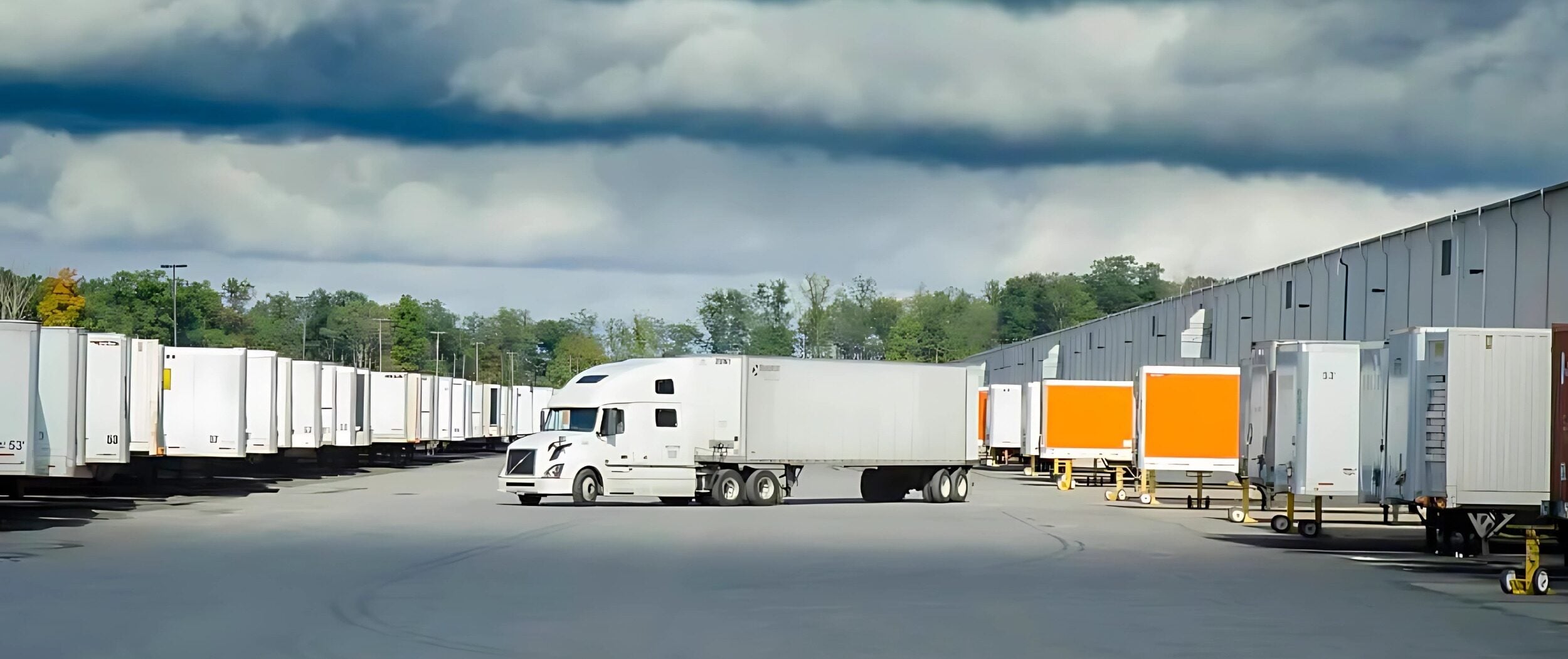
Miami is one of the most active freight and trade gateways in the United States. PortMiami ranks among the top container ports in the country, Miami International Airport handles more international cargo than any other U.S. airport, and the I-95 and I-75 corridors move billions of dollars in goods annually. For businesses shipping or receiving freight through Miami, cargo insurance isn’t optional it’s the financial safeguard that keeps supply chains running when shipments are lost, damaged, or stolen.
This guide covers everything Miami freight businesses need to know, coverage types, policy structures, what’s actually covered, cost factors, and how to choose the right protection for your cargo and operation.
Why Cargo Freight Insurance Matters in Miami
Miami’s freight environment creates a specific risk profile that standard business insurance doesn’t address:
- High cargo theft exposure – South Florida consistently ranks among the highest-risk regions in the U.S. for cargo theft, particularly electronics, pharmaceuticals, and consumer goods
- Weather and hurricane risk – Florida’s storm season creates real exposure to flood, wind, and water damage for cargo in transit and temporary storage
- Multi-modal complexity – Miami freight often moves across multiple transport modes (truck to port to air) each leg creates a separate window of exposure
- Broker and shipper requirements – Most freight brokers and shippers require a minimum of $100,000 in cargo coverage before assigning loads
- International trade exposure – Import/export businesses face additional risk from customs delays, port handling damage, and cross-border transit incidents
Without cargo insurance, a single lost or damaged shipment can generate a financial loss that exceeds months of operating margin especially for businesses handling high-value or time-sensitive freight.
Types of Cargo Freight Insurance Coverage
Choosing the right policy structure depends on your freight type, volume, and risk tolerance. The four main structures are:
All-Risk Coverage
The most comprehensive option. Covers all causes of loss or damage except those specifically excluded in the policy (typically acts of war, inherent vice, or improper packaging). Best suited for businesses shipping high-value, fragile, or sensitive cargo where maximum protection is the priority.
Named Perils Coverage
Covers only the specific risks listed in the policy typically fire, theft, collision, natural disaster, and overturn. More affordable than all-risk, but leaves gaps for unlisted causes of loss. Appropriate for lower-value or durable freight where broad coverage isn’t cost-justified.
Warehouse-to-Warehouse Coverage
Provides continuous protection from the moment cargo leaves the origin warehouse until it reaches its final destination including intermediate storage, transloading, and port handling. Especially valuable for Miami businesses managing multi-leg shipments or holding cargo at distribution facilities before final delivery.
Total Loss Coverage
Pays out only when the entire shipment is completely destroyed or lost partial damage is not covered. The most affordable structure, but the highest risk exposure. Best suited for bulk commodities where partial losses are manageable and total loss is the primary concern.
What Cargo Insurance Actually Covers
A standard Motor Truck Cargo Insurance policy typically protects against:
- Theft and hijacking during transit
- Fire and explosion
- Collision damage and freight overturn
- Loading and unloading accidents
- Weather-related cargo loss (wind, flood, hail)
- Reefer breakdown for refrigerated or temperature-sensitive loads
Broad Form Cargo Coverage extends protection to additional perils including rust, contamination, wetness, and certain driver-related incidents. Businesses handling high-value shipments electronics, pharmaceuticals, luxury goods should consider broad form coverage over standard named perils policies.
What Cargo Insurance Does Not Cover
- Damage to the truck or vehicle itself (requires physical damage coverage)
- Cargo loss due to improper packaging or inherent product defects
- Losses caused by acts of war or government seizure
- Unexplained shortages without documented evidence of loss
Freight Broker Insurance A Separate Requirement
Freight brokers and third-party logistics providers face a distinct set of coverage obligations that differ from carrier insurance. Brokers do not hold cargo directly but remain exposed to financial and legal liability when carrier issues result in client losses.
Core freight broker coverages include:
| Coverage Type | Purpose |
|---|---|
| Contingent Cargo Insurance | Protects the broker when the carrier’s cargo policy fails to pay a valid claim |
| Contingent Auto Liability | Covers the broker if a carrier causes an accident and their liability policy is insufficient |
| Freight Broker Bond (BMC-84) | Required by FMCSA $75,000 surety bond confirming financial responsibility |
| Errors & Omissions (E&O) | Covers mistakes in load coordination, carrier selection, or documentation |
| General Liability | Covers third-party property damage and bodily injury at broker facilities |
Freight brokers operating without proper contingent coverage remain personally exposed to cargo claims even when the primary carrier was at fault a risk that escalates significantly with shipment value.
Coverage for Multi-Modal Miami Freight Operations
Miami freight frequently moves across multiple transport modes before reaching its destination. Each mode carries distinct risk characteristics:
Trucking (I-95, I-75, US-1 corridors): Highest frequency of collision, theft, and loading/unloading claims. Cargo theft is particularly elevated on South Florida highways. Most cargo policies activate from the point the truck takes possession of the freight.
Maritime / PortMiami: Risk of water damage, port handling incidents, container damage, and international transit delays. Ocean freight typically requires a separate marine cargo policy or explicit maritime endorsement on a domestic cargo policy.
Air Freight (Miami International Airport): Generally lower damage frequency than ground transport, but higher cargo value exposure. Air cargo claims most often involve handling damage, moisture, and temperature excursion for sensitive goods.
Intermodal (truck + rail + port): Each transfer point creates a separate exposure window. Warehouse-to-warehouse coverage is strongly recommended for intermodal operations to ensure no gaps between legs.
What Affects Your Cargo Freight Insurance Premium in Miami
Insurers price cargo policies based on several key variables:
- Cargo value – Higher-value shipments require higher limits and generate higher premiums
- Freight type – Electronics, pharmaceuticals, and luxury goods cost more to insure than raw materials or construction supplies
- Transit distance and route – Long-haul routes and high-theft corridors (South Florida, I-95 Northeast) carry higher rates
- Transport mode – Air freight typically rates lower for damage risk; ocean freight includes additional marine exposure
- Coverage structure – All-risk costs more than named perils; broad form costs more than standard
- Security practices – GPS tracking, sealed containers, bonded carriers, and tamper-evident packaging can meaningfully reduce premiums
- Claims history – Prior losses in the past 3–5 years are heavily weighted at renewal
Typical coverage ranges: Standard cargo policies for trucking operations run $50,000–$100,000 in limits. High-value or specialized freight may require additional pay-per-load coverage above the base policy limit.
How to Choose the Right Cargo Insurance Policy
Step 1: Define Your Cargo and Risk Profile
Document the types of goods you ship, their average value per load, transit routes, and transport modes. High-value or fragile cargo requires broader coverage; durable bulk commodities may work with named perils policies.
Step 2: Match Policy Structure to Your Operations
Choose warehouse-to-warehouse if your freight moves through multiple storage points. Select all-risk if you ship sensitive or high-value goods. Choose named perils only if you have a clearly defined, limited set of risk exposures.
Step 3: Verify Broker and Shipper Requirements
Confirm the minimum cargo coverage limits required by your freight brokers and key shippers before selecting a policy. Most require $100,000 minimum; some high-value shippers require $250,000 or more.
Step 4: Review Policy Exclusions Carefully
Understand exactly what is not covered particularly packaging requirements, documentation standards for theft claims, and any cargo categories specifically excluded from your policy.
Step 5: Implement Security Measures to Reduce Premiums
GPS tracking, bonded carrier programs, tamper-evident seals, and verified storage facilities all signal lower risk to underwriters and can reduce your annual premium.
Frequently Asked Questions
Q. What is cargo freight insurance?
A policy that covers financial loss from damaged, stolen, or lost goods during transit by truck, ship, air, or rail.
Q. How much cargo insurance do I need in Miami?
Most brokers require $100,000 minimum. High-value freight may need $250,000 or more per load.
Q. Does cargo insurance cover the truck?
No. Truck damage requires a separate physical damage policy.
Q. What’s the difference between all-risk and named perils coverage?
All-risk covers everything except listed exclusions; named perils covers only the specific risks listed in the policy.
Q. Do freight brokers need their own cargo insurance?
Yes, contingent cargo and contingent auto liability protect brokers when a carrier’s policy fails to pay.
Q. What is reefer breakdown coverage?
An endorsement that covers cargo spoilage caused by refrigeration unit failure during transit.
Q. Does cargo insurance cover international shipments through Miami?
Domestic policies may not extend to ocean or cross-border transit. A marine cargo policy or international endorsement is typically required.
Q. What causes most cargo claims in Miami?
Theft, collision damage, and weather-related loss are the most frequent causes in South Florida.
Conclusion: Protect Your Miami Freight Operations with the Right Coverage
Miami’s position as a global trade gateway creates freight opportunities that few other U.S. cities can match and risks that require purpose-built protection. Cargo theft, hurricane exposure, multi-modal complexity, and strict broker requirements mean that the right cargo insurance policy isn’t just a compliance checkbox. It’s what keeps your business financially stable when a shipment goes wrong.
Whether you’re a Miami-based trucking company, freight broker, importer, or logistics provider, Alvix Insurance Group builds customized cargo insurance solutions designed for your freight type, routes, and risk profile.
Ready to protect your cargo? Contact Alvix Insurance Group today for a fast, accurate cargo insurance quote. Have your freight types, average load values, and operating routes ready and we’ll build a policy that covers your shipments from origin to final delivery.


