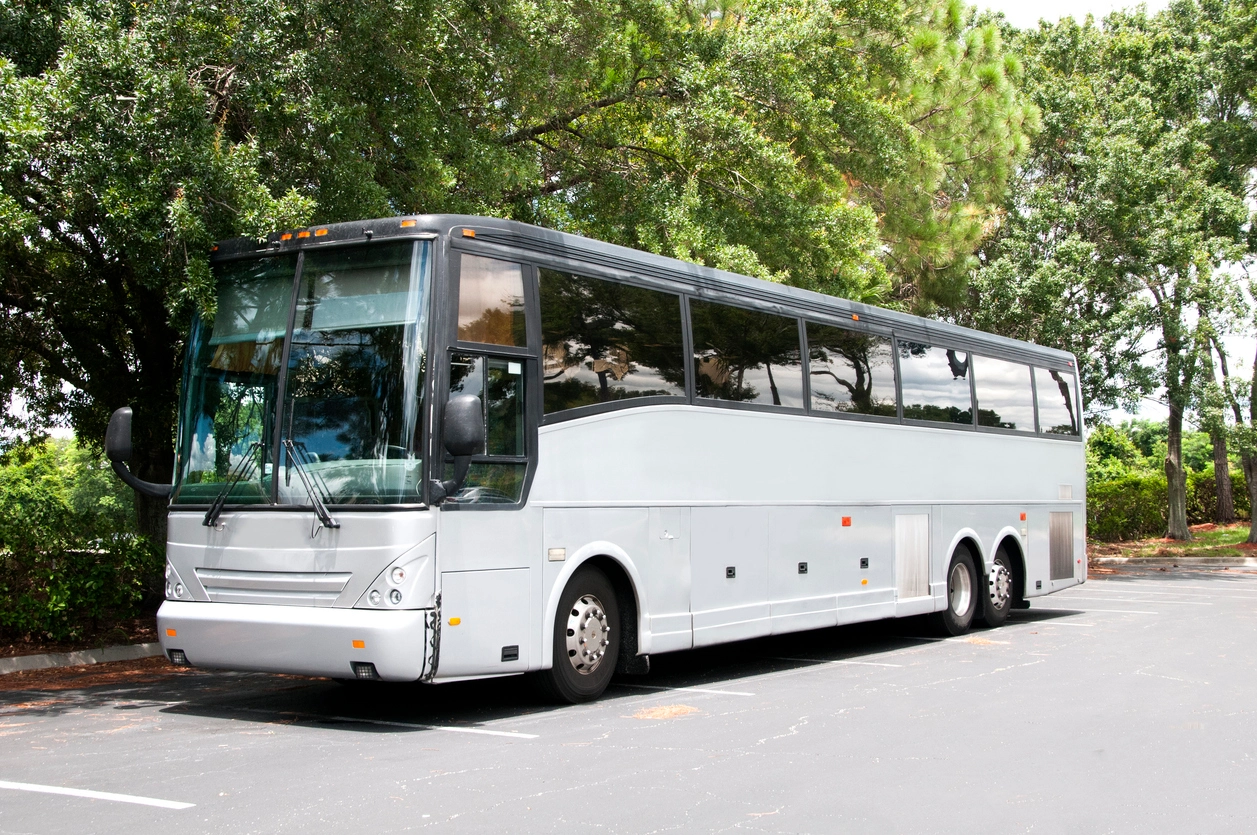
Running a transportation business in Florida comes with opportunity but also responsibility. Whether you manage school routes, charter services, or employee transport, the right insurance protects your revenue, passengers, and long-term growth.
This in-depth guide expands on costs, coverage, routes, risks, compliance, and actionable strategies to help you choose the best Bus Insurance for Small Fleet Owners in Florida.
Why Insurance Matters for Small Bus Fleets in Florida
Operating even a small fleet exposes your business to:
- Passenger liability risks
- Heavy traffic conditions
- Weather-related disruptions
- Legal and compliance requirements
That’s why Bus Insurance for Small Fleet Owners in Florida is essential for protecting your operations from unexpected financial losses.
Understanding the Florida Market for Bus Operators
Florida is unique compared to other states due to:
- High tourism volume
- Year-round transportation demand
- Seasonal population spikes
- Extreme weather conditions
Cities like Tampa and Jacksonville see fluctuating passenger demand, which directly affects risk exposure and insurance pricing.
Because of this, insurers design Bus Insurance for Small Fleet Owners in Florida differently than in low-density regions.
Types of Coverage You Need
A strong policy should include specialized insurance built around how you actually operate, protecting your truck, your cargo, and your livelihood every mile of the way.
1. Liability Insurance
Covers injury or damage to passengers and third parties. This is the foundation of commercial bus insurance in Florida.
2. Collision Coverage
Covers damages from accidents.
3. Comprehensive Coverage
Protects against theft, vandalism, and natural disasters.
4. Passenger Liability Coverage
Essential for daily transport businesses and included in bus liability insurance Florida.
Route Planning and Its Impact on Insurance
Insurance providers carefully assess your operational routes before pricing your policy.
Urban Routes
- High traffic congestion
- Increased accident probability
- Higher premium rates
Highway Routes
- Long-distance travel
- Higher speed risks
- Moderate insurance impact
Tourist Routes
- Frequent stops
- Passenger turnover
- Seasonal risk variation
Operators who optimize routes and reduce high-risk zones often get better rates on Bus Insurance for Small Fleet Owners in Florida.
Also read: School Bus Insurance Costs 2026
Cost Breakdown: What to Expect
Insurance costs depend on fleet size, routes, drivers, and coverage levels. Choosing the right bus insurance coverage options Florida helps balance cost and protection.
Estimated Cost of Bus Insurance in Florida
| Fleet Size | Average Cost Per Bus (Annually) | Key Factors Affecting Cost |
| 2–5 Buses | $9,000 – $18,500 | Urban routes, driver history, coverage level |
| 6–10 Buses | $8,500 – $17,000 | Fleet discounts, safety measures, and route type |
This gives a realistic idea of pricing for Bus Insurance for Small Fleet Owners in Florida.
Legal Requirements in Florida
Operators must comply with strict state regulations set by the Florida Department of Highway Safety and Motor Vehicles.
Key Requirements:
- Minimum liability coverage
- Valid documentation
- Financial responsibility proof
Coverage Limits Based on Operations:
For businesses operating locally within Florida, insurance limits may vary depending on routes, passenger capacity, and risk exposure. However, when buses operate across state lines, higher coverage is typically required. In such cases, a $5 million liability limit is standard. This can be structured in two ways:
- A single policy with a $5 million limit, or
- A combination of a $1 million primary policy with an additional $4 million excess policy
Understanding these coverage structures is critical when choosing Bus Insurance for Small Fleet Owners in Florida.
Driver Management & Its Impact on Premiums
Drivers are one of the biggest factors in determining insurance cost.
What Insurers Look For:
- Driving history
- Commercial license status
- Experience with passenger vehicles
- Safety training records
Hiring trained drivers can significantly reduce the cost of Bus Insurance for Small Fleet Owners in Florida.
Technology That Lowers Insurance Costs
Modern fleets are leveraging technology to reduce risk and premiums:
- GPS tracking systems
- CCTV surveillance inside buses
- Driver behavior monitoring
- Predictive maintenance tools
These upgrades improve safety and make your business more attractive to insurers offering commercial auto insurance in Florida.
Seasonal Risks in Florida
Florida’s environment plays a major role in insurance planning.
Hurricane Season
- Vehicle damage risk
- Route disruptions
- Increased claims
Heavy Rainfall
- Slippery roads
- Visibility issues
Heat Impact
- Tire wear and tear
- Engine stress
Having a strong bus insurance policy helps mitigate these seasonal risks effectively.
How to Reduce Insurance Premiums
Smart strategies include:
- Hiring experienced drivers
- Regular vehicle maintenance
- Installing safety technology
- Bundling policies
Many operators review multiple bus insurance quotes for small fleets in Florida before choosing the most suitable policy.
Claims Process: What to Expect
Understanding the claims process is crucial:
- Immediate incident reporting
- Documentation (photos, reports)
- Insurance assessment
- Repair or compensation
Efficient claims handling is a major advantage when selecting Bus Insurance for Small Fleet Owners in Florida.
Choosing the Right Insurance Provider
Not all insurers are equal. Look for:
- Strong claim settlement ratio
- Industry experience
- 24/7 COI access
- Customizable policies
Businesses operating in Fort Lauderdale often prefer providers with local expertise for faster claim processing.
Common Mistakes to Avoid
Avoid these:
- Choosing low-cost policies without coverage depth
- Ignoring route risks
- Not updating policies as fleet grows
A proactive approach to Bus Insurance for Small Fleet Owners in Florida ensures long-term stability.
Risk Management Strategies for Fleet Owners
Beyond insurance, proactive risk management is key:
Safety Measures
- Regular driver training
- Strict compliance protocols
- Emergency response planning
Maintenance Practices
- Routine inspections
- Brake and tire checks
- Engine diagnostics
Operational Improvements
- Route optimization
- Reduced idle time
- Efficient scheduling
Implementing these reduces dependency on claims and strengthens your Bus Insurance for Small Fleet Owners in Florida strategy.
Future Trends in Bus Insurance
The industry is evolving rapidly with:
- AI-based risk assessment
- Usage-based insurance models
- Telematics-driven pricing
- Digital policy management
These innovations are reshaping how Bus Insurance for Small Fleet Owners in Florida is priced and managed.
Advanced Cost Optimization Tips
To further reduce costs:
- Bundle multiple vehicles under one policy
- Increase deductibles strategically
- Maintain a strong claim-free record
- Review policies annually
Smart planning helps lower the overall cost of bus insurance for small fleets in Florida.
Compliance Checklist for Florida Operators
Before operating, ensure:
- Valid insurance certificate
- Vehicle registration
- Licensing compliance
- Safety inspection approvals
Following these guidelines ensures smooth operations under Florida commercial vehicle insurance for buses regulations.
Conclusion
Building a successful transportation business in Florida requires more than efficient operations. It requires strategic protection. Investing in the right Bus Insurance for Small Fleet Owners in Florida with a trusted provider like Alvix Insurance Group ensures safety, compliance, and financial stability.
By understanding routes, risks, costs, and modern insurance strategies, you can position your fleet for long-term success while staying protected in a competitive market.
Ready to protect your fleet? Reach out to Alvix Insurance Group today to get a personalized quote and protect your business with confidence.
Frequently Ask Questions
Q. How much does bus insurance typically cost in Florida?
A. The annual premium varies by vehicle type, usage, and coverage limits, but 2023‑2024 market data give a clear ball‑park.
- School bus (30‑seat, intrastate) $2,800 – $4,200 per year.
- Charter coach (45‑seat, intrastate) $5,900 – $8,600 per year.
- Interstate charter coach adds roughly $1,200 – $2,500 for the required $1 M combined single‑limit.
- Adding a $2 M‑$5 M excess‑umbrella costs $750 – $1,200 extra annually.
Q. What are Florida’s minimum liability limits for bus insurance, and what levels do most operators actually carry?
A. Florida law sets a floor, but industry practice pushes limits higher to protect against costly passenger claims.
- Statutory minimum: $25 k per person / $50 k per accident / $25 k property damage.
- School‑bus owners are advised to carry $500 k per incident for bodily injury.
- Typical commercial‑bus policies: $100 k / $300 k / $50 k BOP plus a $1 M–$2 M excess umbrella.
- Interstate operators must meet FMCSA’s $1 M CSL as a baseline.
Q. Is bus insurance mandatory for all buses operating in Florida?
A. Yes both state law and federal regulations require coverage for any commercial passenger vehicle.
- All buses that transport ≥ 10 passengers for compensation must maintain liability insurance.
- Failure to show proof of coverage results in immediate registration suspension and daily fines of $500 – $1,000.
- Minimum state limits apply, but carriers transporting schoolchildren or operating interstate must meet higher FMCSA thresholds.
Q. Which discounts are most commonly available for Florida bus insurance?
A. Insurers reward safety, technology, and good loss history, often stacking several discounts for a sizable reduction.
- Telematics/driver‑behavior monitoring – 8 %–12 % premium drop.
- Safety‑training programs – 5 %–10 % off.
- Multi‑vehicle or bundled policies – 7 %–15 % savings.
- Low‑mileage – 5 %–9 % discount.
- Combined discounts can total 30 %–35 % when all criteria are met.
Q. How does hurricane season affect the cost of bus insurance in Florida?
A. Coastal exposure drives a weather‑risk surcharge that insurers apply to both liability and physical‑damage portions.
- Buses based in coastal counties (e.g., Broward, Lee, Monroe) see premiums 8 %–12 % higher than inland counterparts.
- A windstorm endorsement typically adds $250 – $650 per vehicle each year.
- Choosing a $250 k wind‑storm deductible can reduce that surcharge by up to 4 %.
- Policies often include a catastrophe‑excess layer for hurricane losses; premiums for this layer rise markedly in the months leading up to the June‑November season.


